Dental Implants Spokane


Dental Implants Spokane
Dental Implants Spokane: Your Complete Step-by-Step Guide
If you’ve been researching dental implants in Spokane, you probably have questions about what actually happens. What will you see, hear, and feel? How long does each stage take? Dr. Robert Walker and the team at Cascade Dental Care – South Hill want you to feel fully prepared before you ever sit in the chair. This guide walks you through every stage of the process, from your very first appointment to the moment your new smile is complete.
Stage 1: Arriving for Your Dental Implants Spokane Consultation
Your journey starts with a thorough consultation. When you walk through our doors on South Hill, you’ll be greeted by a friendly front-desk team. The office has a calm, welcoming atmosphere — nothing clinical or intimidating.
A team member will review your health history and take a few digital X-rays. These images help Dr. Walker assess your bone density and gum health. Good bone structure is essential for a successful implant. Don’t worry if you’re unsure about yours — that’s exactly what this visit is designed to determine.
During this appointment, Dr. Walker will also look at neighboring teeth and overall bite alignment. If you’ve been considering other restorative options, he may reference treatments like Dental Bridges so you can make a fully informed comparison. You’ll leave this visit with a clear, personalized treatment plan.
- Digital X-rays and 3D imaging reviewed
- Bone density and gum health assessed
- Personalized implant plan created
- Questions answered in plain language
Stage 2: Implant Placement Day — What You’ll Experience
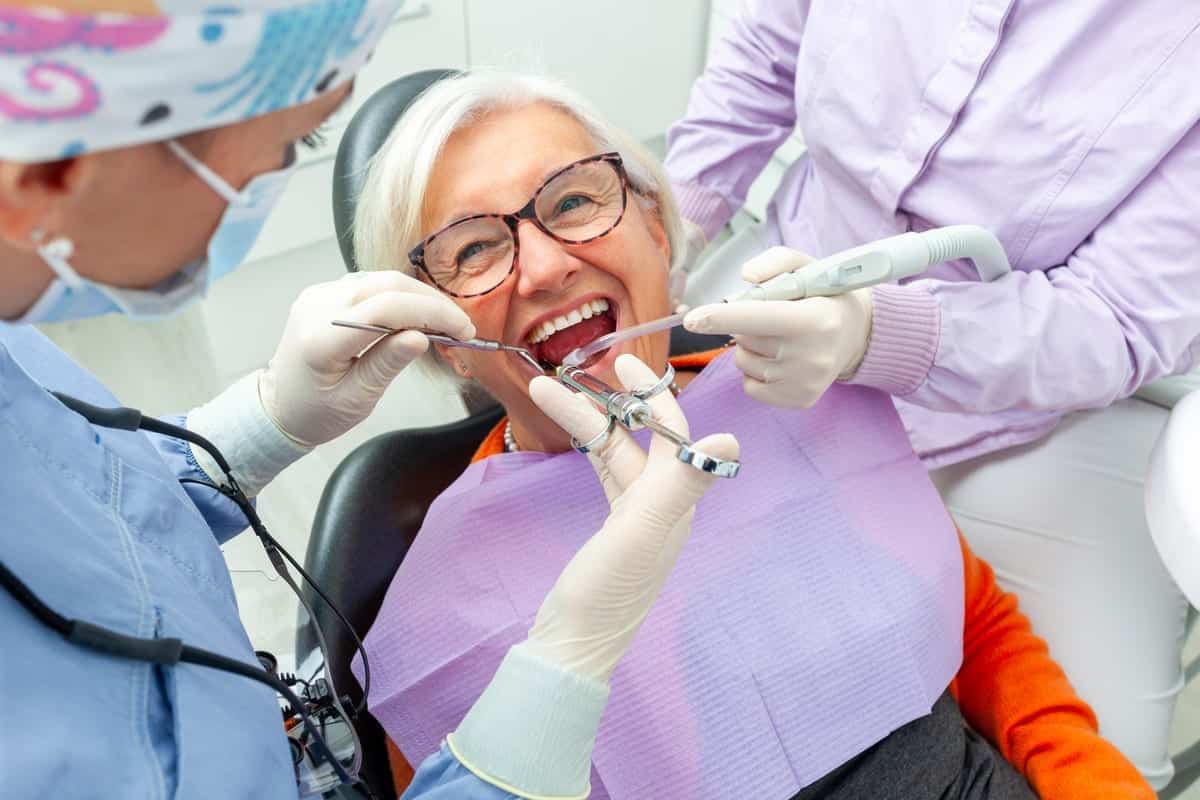
On placement day, you’ll check in and be escorted to a comfortable treatment chair. Soft music often plays in the background. The room is well-lit but not harsh. Dr. Walker will review your plan one more time before beginning.
Local anesthesia is administered first. You may feel a brief pinch — most patients describe it as mild and very quick. Within a few minutes, the area will feel numb. Many patients are surprised by how little discomfort they experience during the procedure itself.
Dr. Walker then makes a small, precise incision in the gum tissue. A tiny channel is carefully created in the jawbone. The titanium implant post is gently placed into that channel. You may hear soft mechanical sounds from the instruments — this is completely normal and expected.
The gum tissue is then closed with a few small sutures. The entire placement typically takes one to two hours. Our team uses advanced technology to guide precision placement — you can read more about the tools we use on our Our Technology page.
Stage 3: Healing and Osseointegration — What Happens Between Visits
After placement, your body begins a remarkable process called osseointegration. The jawbone gradually fuses with the titanium post. This creates the stable foundation that makes implants so durable. This healing phase typically takes three to six months.
In the first few days, you may notice mild swelling or tenderness. Cold compresses and over-the-counter pain relief help significantly. Most patients return to normal routines within two to three days. Spokane’s mild late-spring weather makes post-procedure recovery quite comfortable — gentle walks and light outdoor activity are perfectly fine.
Here’s what to keep in mind during the healing period:
- Eat soft foods for the first week
- Avoid smoking, which slows healing
- Rinse gently with warm salt water
- Attend all scheduled follow-up visits
- Contact the office promptly if you notice unusual pain
Dr. Walker’s team will schedule regular check-ins to monitor your progress. These visits are quick and informative. You’ll be able to track how well osseointegration is advancing. Think of this phase as laying the groundwork for a lifetime of strong, confident smiles.
Stage 4: Placing the Abutment and Final Crown
Once healing is confirmed, the next stage begins. A small connector piece called an abutment is attached to the implant post. This piece supports the final restoration. The process is straightforward and typically requires only local anesthesia.
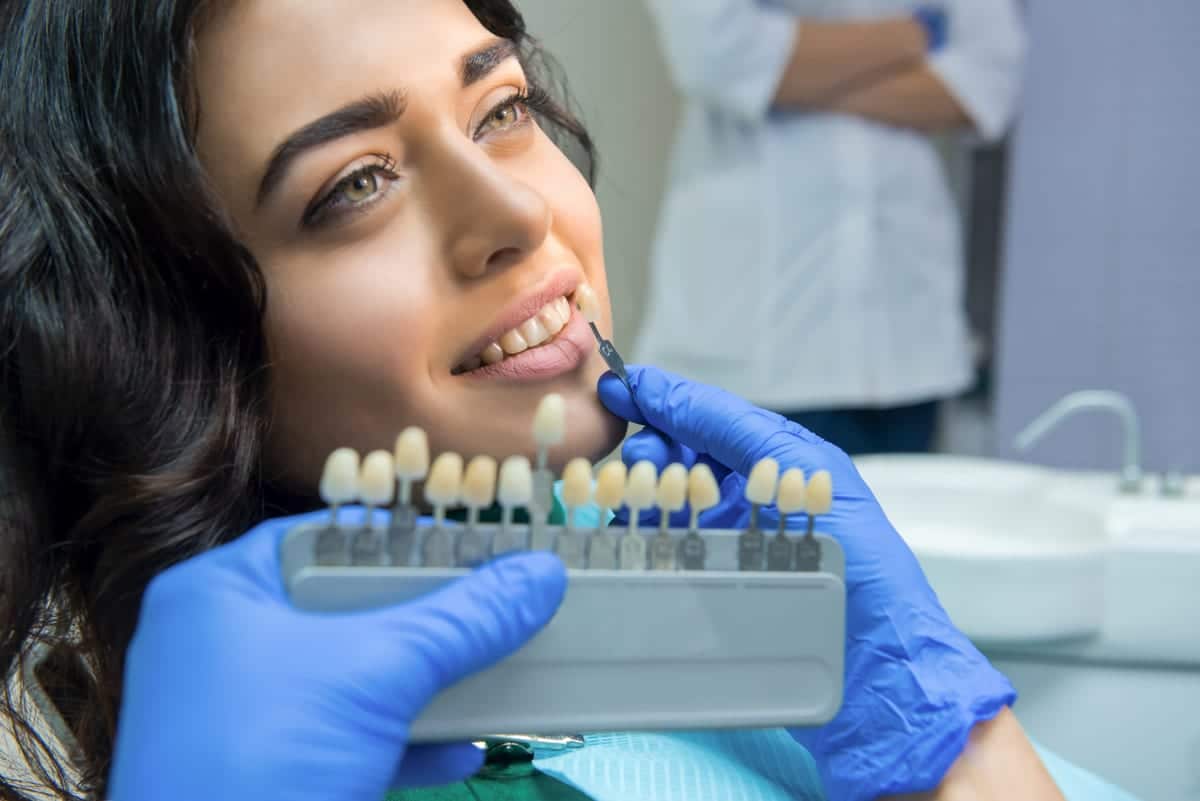
Impressions or digital scans of your teeth are then taken. These precise measurements guide the creation of your custom crown. The crown is color-matched to blend naturally with your surrounding teeth. You will not be able to tell it apart from a natural tooth.
When the crown is ready, Dr. Walker seats it onto the abutment. He checks your bite carefully and makes any minor adjustments. The final result feels remarkably natural. Most patients describe biting and chewing as feeling completely normal again.
The crown placed over your implant functions similarly to a Dental Crown restoration — strong, durable, and designed to last for many years with proper care.
Dental Implants Spokane: Aftercare and Long-Term Success
Caring for your implant is refreshingly simple. You brush and floss just like natural teeth. There are no special adhesives or removal routines. A consistent home routine makes a significant difference in long-term success.
Twice-yearly dental exams are important. During these visits, Dr. Walker checks the implant, surrounding gum tissue, and bone levels. Catching any minor issues early protects your investment. Think of it as regular maintenance for something you plan to keep for decades.
Here are key aftercare habits to build:
- Brush twice daily with a soft-bristle toothbrush
- Floss around the implant every day
- Use non-abrasive toothpaste
- Avoid chewing ice or very hard foods
- Schedule routine Dental Exam visits every six months
With proper care, dental implants can last twenty years or longer. Many patients keep them for a lifetime. Dr. Walker and the Cascade Dental Care team in Spokane are committed to your long-term oral health — not just a single procedure.
Why Spokane Patients Choose Cascade Dental Care – South Hill
Spokane patients lead active, busy lives — especially in late spring. Graduation ceremonies, family gatherings, and outdoor adventures fill the calendar. A complete, confident smile matters more than ever during these milestone moments.
At Cascade Dental Care – South Hill, Dr. Walker brings years of clinical experience and a genuinely patient-centered approach. The team takes time to explain every step clearly. No one is rushed, and no question is too small. That calm, thorough environment puts patients at ease from the very first visit.
Whether you’re replacing a single tooth or multiple teeth, dental implants offer a permanent, natural-feeling solution. If you’re ready to take the next step toward a healthier smile this spring, Book Now to schedule your appointment with our team.
Frequently Asked Questions
How long does the entire dental implant process take?
The full process typically spans four to eight months from consultation to final crown placement. Most of that time involves healing. The actual in-office procedure stages are relatively brief. Dr. Walker will give you a personalized timeline at your consultation.
Is the dental implant procedure painful?
Most patients report very little pain during the procedure itself. Local anesthesia keeps the area completely numb. After the appointment, mild soreness and swelling are common for a few days. Over-the-counter pain relievers typically manage this discomfort well.
Am I a good candidate for dental implants in Spokane?
Most healthy adults are good candidates. Sufficient jawbone density and healthy gums are the two primary requirements. Dr. Walker evaluates both during your initial consultation. Even patients with some bone loss may qualify after a bone grafting procedure.
How do I care for my implant after it’s placed?
Implants are cared for just like natural teeth — daily brushing and flossing, plus regular dental exams. Avoiding hard foods and tobacco also greatly improves long-term outcomes. Dr. Walker’s team will review a full aftercare plan with you before you leave the office.
What is the difference between a dental implant and a dental bridge?
A dental implant replaces both the tooth root and the visible crown. It stands independently without affecting neighboring teeth. A dental bridge, by contrast, anchors to adjacent teeth for support. Both are effective options — Dr. Walker can help you decide which is right for your situation.