Veneers vs. Bonding in Spokane, WA


Veneers vs. Bonding in Spokane, WA
When your smile needs a fix, two treatments come up often: veneers and dental bonding. Spokane patients frequently ask which option lasts longer and costs less. The honest answer depends on your specific concern, your budget, and how much tooth structure you want to preserve. This guide compares veneers vs. bonding on cost, longevity, invasiveness, and real-world results — so you can walk into Cascade Dental Care – South Hill feeling confident in your choice.
What Are Veneers and How Do They Work?
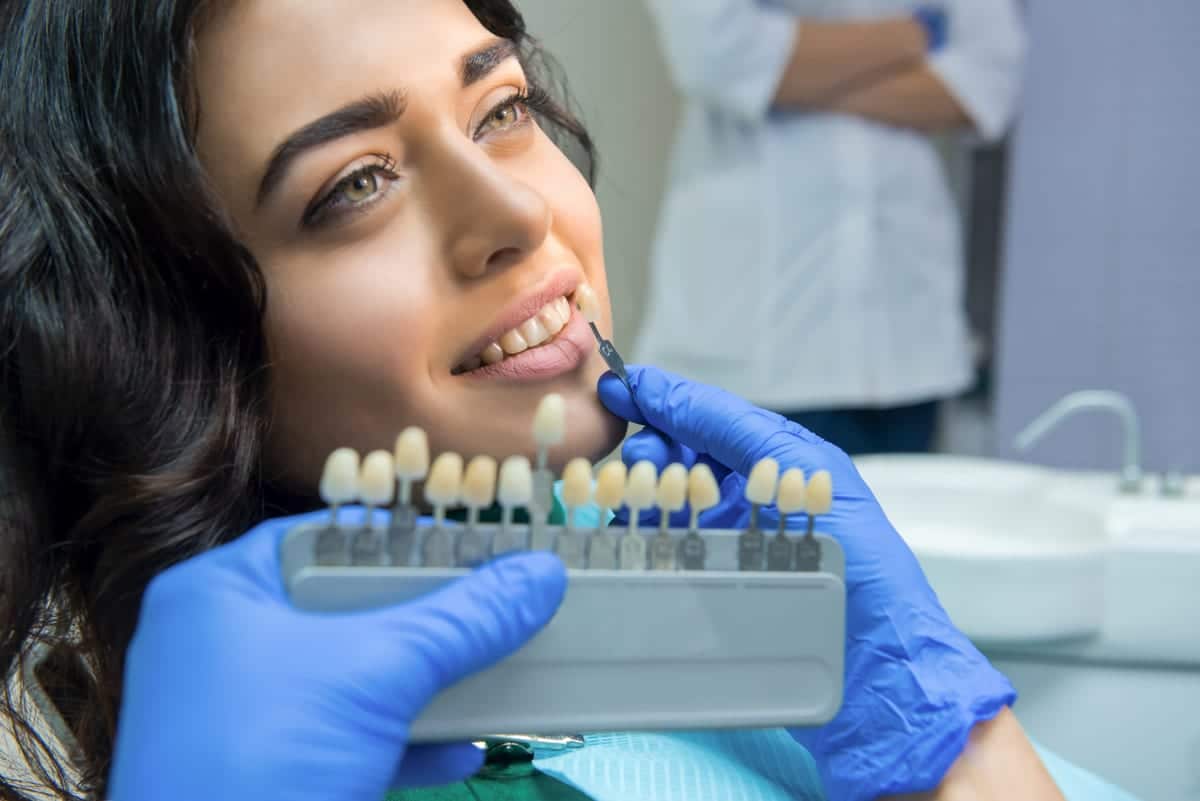
Veneers are thin porcelain or composite shells bonded to the front surface of your teeth. Porcelain veneers are custom-crafted in a dental lab to match your tooth shape and shade. They cover chips, cracks, deep stains, gaps, and minor misalignment in a durable, natural-looking layer.
Getting porcelain veneers typically requires two visits. Dr. Robert Walker removes a small layer of enamel during the first visit. This step makes the veneer sit flush with surrounding teeth. A temporary veneer protects your tooth while the lab crafts your permanent restoration.
Composite veneers are a faster, less invasive alternative. They can often be placed in a single appointment. However, they do not offer the same stain resistance or longevity as porcelain.
What Is Dental Bonding and Who Is It Best For?
Dental bonding uses a tooth-colored composite resin applied directly to your tooth. The resin is shaped, hardened with a curing light, and polished in one visit. No lab work is needed, and the process usually takes 30 to 60 minutes per tooth.
Bonding works well for small chips, minor gaps, and surface discoloration. It is also a strong choice for patients who want a quick, reversible fix. Because no enamel removal is required, bonding is one of the least invasive cosmetic options available.
Spokane patients who feel uncertain about committing to veneers often start with bonding. It lets you improve your smile without permanent changes to your tooth structure.
Veneers vs. Bonding: Cost, Longevity, and Invasiveness Compared
Understanding the differences between these two treatments helps you make the right choice. Here is a clear side-by-side comparison of the key factors Spokane patients care most about.
- Cost: Bonding is generally more affordable per tooth than porcelain veneers. Composite veneers fall somewhere in between.
- Longevity: Porcelain veneers last 10 to 20 years with proper care. Bonding typically lasts 3 to 10 years before touch-ups are needed.
- Invasiveness: Bonding requires no enamel removal and is fully reversible. Porcelain veneers require minor enamel reshaping and are considered permanent.
- Stain resistance: Porcelain resists stains far better than composite resin. Bonding can discolor over time from coffee, tea, and wine.
- Repair ease: Bonding is easy and inexpensive to repair if chipped. A damaged porcelain veneer usually requires full replacement.
- Aesthetic quality: Porcelain veneers offer superior light-reflection and a more natural appearance long-term.
Neither option is universally better. The right choice depends on how severe your cosmetic concern is and how long you want your results to last.
When Veneers Make More Sense in Spokane
Porcelain veneers are the stronger choice when you want lasting, high-quality results. They hold up well against staining and daily wear. If you have multiple teeth to address at once, veneers create a more consistent, polished look across your smile.
Veneers also work better for significant discoloration that teeth whitening cannot fix. They cover stubborn intrinsic stains caused by medications or fluorosis. Because the porcelain is glazed and dense, it resists new stains effectively.
Consider veneers if you want a one-time investment that stays beautiful for a decade or more. Many Spokane patients find the long-term value outweighs the higher upfront cost. Over 15 years, the per-year cost of veneers often becomes competitive with repeatedly touching up bonding.
When Bonding Makes More Sense in Spokane
Bonding is the smarter choice for minor repairs and patients on a tighter budget. If you have a small chip on a single tooth, bonding solves the problem quickly and affordably. There is no need for lab fabrication or multiple appointments.
Bonding also suits younger patients whose smiles are still developing. Because it does not alter the underlying tooth, it preserves all future treatment options. If your needs change later, you can transition to veneers without any complications.
Patients who grind their teeth may actually be better candidates for bonding in some cases. Dr. Robert Walker will evaluate your bite and enamel health before recommending either treatment. This assessment ensures your chosen solution holds up to your daily habits.
How Other Treatments Fit Into the Picture
Sometimes a cosmetic concern is not purely cosmetic. A severely damaged tooth may need a Dental Crowns rather than a veneer or bonding. Crowns cover the entire tooth and provide structural reinforcement that veneers and bonding cannot.
If decay or infection is present beneath the surface, cosmetic work alone will not solve the problem. In those cases, Root Canals may be necessary before any cosmetic treatment begins. Treating the underlying issue first ensures your cosmetic results last as long as possible.
A full smile assessment with Dr. Walker helps identify which combination of treatments gives you the healthiest, best-looking result. Cascade Dental Care – South Hill takes a whole-mouth approach to every smile makeover.
What to Expect at Your Cosmetic Consultation in Spokane
Your first step is a consultation where Dr. Robert Walker examines your teeth, gums, and bite. He listens to your goals and explains which treatment aligns with your timeline and budget. Digital imaging may be used to show you a preview of your potential results.
Here is what the process typically looks like from consultation to final result:
- Initial exam and smile assessment with Dr. Walker
- Discussion of goals, concerns, and budget priorities
- Custom treatment plan presented and explained clearly
- Bonding completed in one visit, or veneer preparation scheduled across two visits
- Final polish, bite check, and care instructions provided
The team at Cascade Dental Care – South Hill makes the process straightforward and stress-free. Most patients leave their consultation with a clear plan and realistic expectations. You will know exactly what to expect at every stage.
Making Your Decision: A Quick Summary
Choosing between veneers and bonding comes down to three main factors. First, consider the severity of your cosmetic concern. Second, think about how long you want your results to last. Third, weigh the upfront cost against the long-term value.
- Choose bonding for minor chips, small gaps, or budget-conscious quick fixes
- Choose veneers for lasting results, deep stains, or a full smile transformation
- Ask Dr. Walker if a crown or other restorative treatment is needed first
- Start with a consultation to get a personalized recommendation
There is no one-size-fits-all answer when comparing veneers vs. bonding — which fix lasts longer and costs less in Spokane depends entirely on your unique situation. The best investment is the one that addresses your actual concern with the least risk and best long-term outcome. Book Now to schedule your appointment with our team.
Frequently Asked Questions
How long does dental bonding last compared to veneers?
Dental bonding typically lasts between 3 and 10 years depending on care and habits. Porcelain veneers can last 10 to 20 years with proper maintenance. Bonding may need touch-ups or replacement sooner, especially if you consume staining foods and drinks frequently.
Is dental bonding reversible?
Yes. Dental bonding does not require enamel removal, so it is considered a reversible treatment. Porcelain veneers, on the other hand, require a small amount of enamel to be reshaped, making them a permanent commitment. Bonding is ideal for patients who want flexibility.
Can veneers fix the same problems as bonding?
Veneers and bonding both address chips, minor cracks, gaps, and surface discoloration. However, veneers offer superior stain resistance and tend to look more natural over time. Bonding is better suited to smaller repairs, while veneers work best for more significant cosmetic changes.
Does getting veneers hurt?
Most patients experience little to no discomfort during the veneer process. Local anesthesia is used when enamel is removed, keeping you comfortable. Some mild sensitivity may occur in the days following preparation, but it typically fades quickly.
How do I know which treatment is right for me in Spokane?
The best way to find out is through a consultation with Dr. Robert Walker at Cascade Dental Care – South Hill. He will examine your teeth, discuss your goals, and recommend the treatment that fits your needs and lifestyle. Every smile is different, and your plan should reflect that.