Implants vs. Dentures vs. Bridges in Spokane, WA


Implants vs. Dentures vs. Bridges in Spokane, WA
Losing a tooth — or several — is more common than most people expect. If you live in Fairwood and you’re weighing your options, the question of implants vs. dentures vs. bridges and which replaces your teeth best in Fairwood is one Dr. Robert Walker hears every week at Cascade Dental Care – North Spokane. Each solution works differently, costs differently, and suits different patients. This guide breaks down all three so you can walk into your consultation already informed.
Understanding Your Three Main Tooth-Replacement Options
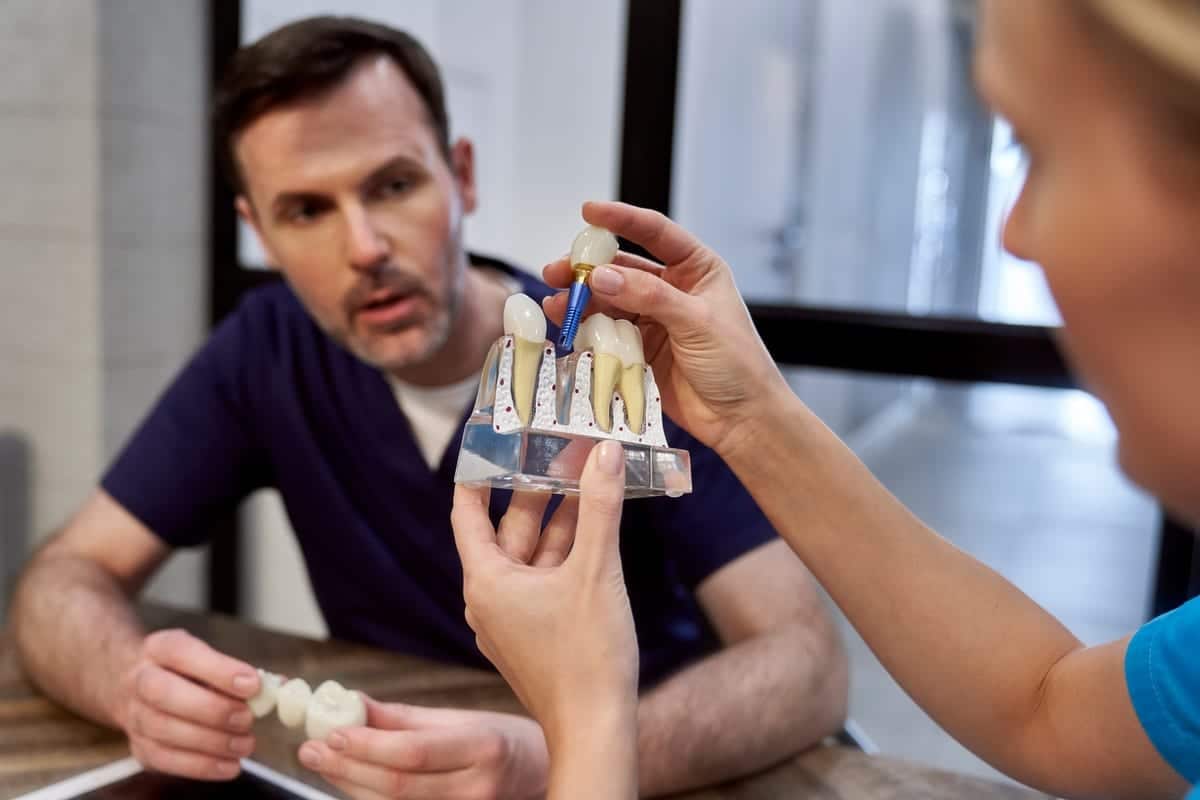
Before comparing, it helps to understand what each option actually is. A dental implant is a titanium post surgically placed into your jawbone. It acts as an artificial tooth root and supports a crown on top.
A dental bridge spans the gap left by a missing tooth. It anchors to the healthy teeth on either side and suspends a false tooth in between. No surgery is required.
Dentures are removable appliances — either full or partial — that replace multiple missing teeth at once. They rest on the gums and can be taken out for cleaning. Each option fits a different set of needs, timelines, and budgets.
Implants vs. Dentures vs. Bridges: Key Differences at a Glance in Fairwood
Patients in Fairwood often ask for a simple side-by-side comparison before diving deeper. Here are the most important distinctions across all three options.
- Dental Implants: Permanent, bone-preserving, requires surgery, longest-lasting solution (often 20+ years with care)
- Dental Bridges: No surgery, anchored to adjacent teeth, fixed in place, typically lasts 10–15 years
- Dentures: Removable, most affordable upfront, replaces many teeth at once, may require periodic refitting
- Bone health: Only implants stimulate the jawbone and prevent bone loss over time
- Eating and speaking: Implants and bridges function most like natural teeth; dentures may shift during use
No single option is universally best. The right choice depends on your oral health, how many teeth you’re missing, your timeline, and your long-term goals. Dr. Walker evaluates all of these factors during a comprehensive exam.
Who Is Each Option Best Suited For?
Choosing between implants, bridges, and dentures is a deeply personal decision. Here’s a straightforward breakdown of which patients tend to benefit most from each one.
Dental implants are ideal for patients missing one or a few teeth who have adequate jawbone density. They’re also a strong choice for anyone who wants a permanent, low-maintenance solution. Patients who smoke heavily or have uncontrolled diabetes may need to address those conditions first.
Bridges work well when the teeth adjacent to the gap are healthy and strong enough to anchor a bridge. They’re a faster solution than implants and don’t require bone grafting. However, healthy tooth structure must be removed from the anchor teeth to place a bridge.
Dentures are often recommended when multiple teeth are missing across an arch — or when all teeth need replacement. They’re also a practical option for patients who aren’t candidates for surgery. Partial dentures can fill gaps when some natural teeth still remain.
What Happens If You Also Need a Root Canal or Crown?
Sometimes tooth replacement decisions are tied to other treatments. If a tooth is severely damaged but still savable, Root Canals can eliminate infection and preserve the natural tooth — potentially avoiding extraction altogether. Keeping a natural tooth is almost always preferable to replacing it.
In other cases, a tooth has already been saved with a root canal but needs structural reinforcement. That’s where Dental Crowns come in. A crown caps the treated tooth and restores full function and appearance.
If a tooth cannot be saved, implants become the gold standard replacement. Fairwood patients who come in after a failed root canal or cracked tooth often benefit most from an implant-supported crown. Dr. Walker will review all options and explain what applies to your specific situation.
Long-Term Considerations: Durability, Maintenance, and Bone Health
When patients think about implants vs. dentures vs. bridges, the immediate cost often gets the most attention. But long-term durability and maintenance are equally important to consider.
- Implants are the most durable option. With proper brushing and regular checkups, they can last a lifetime.
- Bridges typically last 10–15 years before needing replacement. Flossing under the bridge requires a special threader or water flosser.
- Dentures may need relining or replacement every 5–10 years as jaw shape changes over time.
- Bone loss continues under bridges and dentures because neither stimulates the underlying jaw. Implants are the only option that preserves jawbone density.
- Daily care for implants mirrors natural teeth — standard brushing and flossing. Dentures require nightly removal and soaking.
Patients in Fairwood who invest in implants upfront often find the long-term cost comparable to replacing bridges or dentures multiple times over the years. Dr. Walker walks through a realistic cost-over-time comparison at every consultation so nothing surprises you later.
Making Your Decision With Confidence in Fairwood
There’s no single answer to implants vs. dentures vs. bridges and which replaces your teeth best in Fairwood — it truly depends on your unique situation. What matters most is getting an evaluation from a dentist who listens and explains every option clearly.
At Cascade Dental Care – North Spokane, Dr. Walker takes a patient-first approach. He’ll review your X-rays, assess your bone health, and walk you through exactly which solutions make sense for your mouth and your lifestyle. You’ll never feel rushed or pressured into a decision.
Whether you’re missing one tooth or considering full-arch replacement, the right answer is closer than you think. Book Now to schedule your appointment with our team.
Frequently Asked Questions
How long does it take to get a dental implant in Fairwood?
The full implant process typically takes three to six months from start to finish. This includes the surgical placement of the implant post, a healing period for the bone to fuse with the titanium, and then placement of the final crown. Some patients may require a bone graft beforehand, which can add time to the timeline.
Can I get a bridge instead of an implant to save time?
Yes, a dental bridge is generally faster than an implant because it doesn’t require surgery or a healing period. However, placing a bridge requires reshaping the healthy teeth on either side of the gap. It’s a valid option for many patients, but Dr. Walker will help you weigh the trade-offs for your specific situation.
Are dentures uncomfortable to wear every day?
Modern dentures are more comfortable and natural-looking than older generations. However, some patients do experience soreness or slipping — especially during the adjustment period. Implant-supported dentures offer a more stable alternative for patients who want the coverage of dentures with the security of implants.
Do dental implants require a lot of special maintenance?
No — implants are actually one of the easiest restorations to maintain. You brush and floss them just like natural teeth. Routine dental checkups are important to monitor the implant and surrounding tissue, but no special tools or soaking routines are required.
What if I’m not sure which option is right for me?
That’s exactly what a consultation is for. Dr. Robert Walker at Cascade Dental Care – North Spokane will review your dental X-rays, examine your jawbone health, and discuss your goals before recommending any treatment. You don’t need to arrive with a decision already made — just come with your questions.