Dentures in Spokane Valley, WA


Dentures in Spokane Valley, WA
If you live in Opportunity, WA and are wondering whether dentures are the right path for you, you are not alone. Many patients ask Dr. Robert Walker at Cascade Dental Care the same question every week. Understanding denture candidacy right for you means knowing who qualifies, what the process involves, and how long recovery takes. This complete timeline explained below will help you feel confident and informed before your first consultation.
Who Is a Candidate for Dentures in Opportunity, WA?
Not every patient who has missing teeth automatically qualifies for dentures. Candidacy depends on several factors that Dr. Walker evaluates during a comprehensive exam. Understanding these factors early helps you plan your treatment with realistic expectations.
Strong candidates for dentures typically share certain characteristics. These include patients who have lost most or all of their natural teeth. They also include those whose remaining teeth are severely damaged or decayed beyond saving.
Here are the most common signs you may be a good candidate:
- Multiple missing teeth that affect chewing or speaking
- Teeth that are too damaged for crowns or other restorations
- Gum disease that has caused significant bone or tooth loss
- Difficulty eating a balanced diet due to poor dental function
- Self-consciousness about the appearance of your smile
Your overall health also matters. Patients with well-managed chronic conditions are often still excellent candidates. Dr. Walker will review your full medical and dental history before recommending dentures.
What Happens Before You Get Dentures: The Extraction Stage
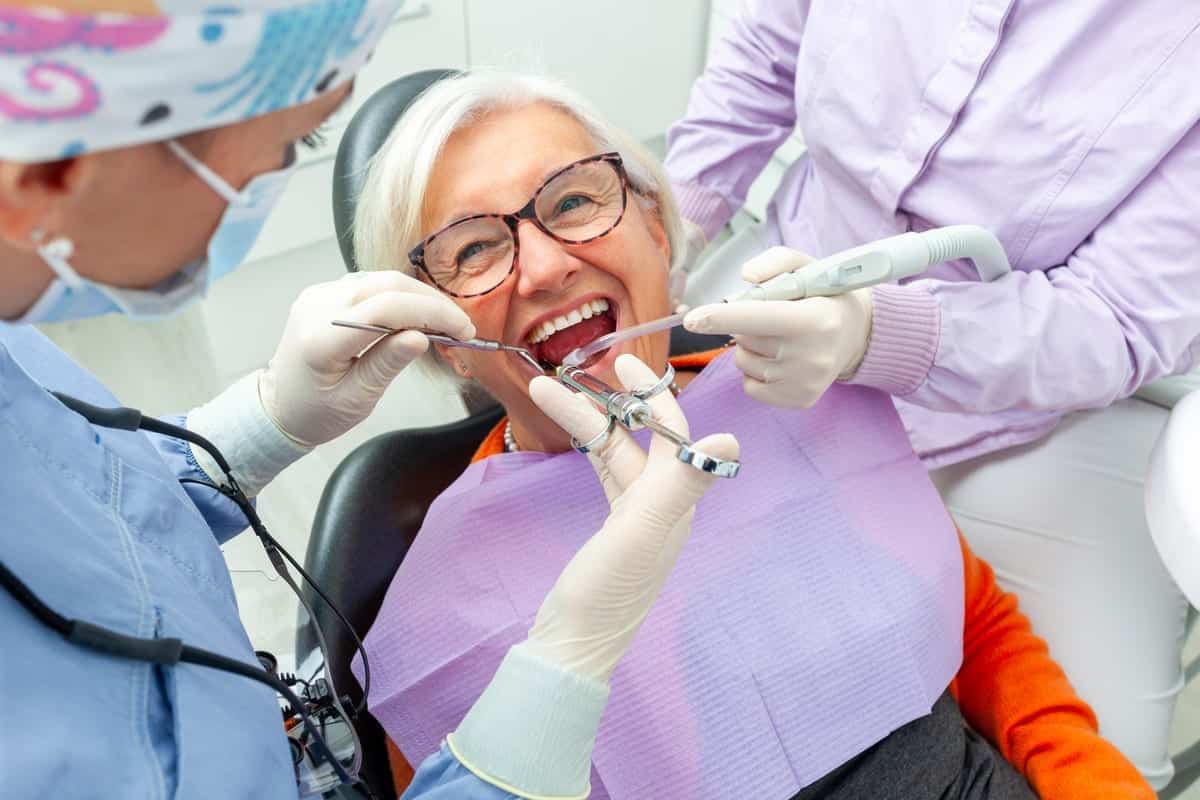
For many patients in Opportunity, getting dentures starts with tooth extractions. This stage can feel intimidating, but it is a straightforward process with a clear timeline. Understanding what happens before dentures are placed helps reduce anxiety significantly.
Before extractions, Dr. Walker will take X-rays and examine your gum and bone health. Sometimes, a tooth that appears unsalvageable can be saved with a Root Canals procedure. It is always worth exploring whether saving a natural tooth is possible first.
If extraction is necessary, here is what the process typically looks like:
- A thorough exam and treatment plan are completed at your first visit
- Extractions are performed — often in stages depending on how many teeth are involved
- Temporary or immediate dentures may be placed the same day in some cases
- Final dentures are fitted after gum tissue has fully healed
The extraction stage usually spans one to three appointments. Your comfort is a priority throughout every step. Local anesthesia keeps you pain-free during the procedure itself.
The Healing Timeline: What to Expect After Extractions
Healing after extractions is one of the most important parts of the complete denture timeline. Rushing this stage can lead to poorly fitting dentures later. Patience during healing protects your long-term comfort and function.
In the first 24 to 48 hours after extraction, swelling and mild soreness are completely normal. Soft foods, rest, and following Dr. Walker’s aftercare instructions will keep you comfortable. Most patients return to light daily activities within two to three days.
Over the following weeks, your gum tissue gradually shrinks and reshapes. This reshaping is why immediate dentures — placed right after extractions — often need adjustments. Your mouth is still changing, and your final dentures are designed to fit the healed tissue.
Here is a general healing timeline to keep in mind:
- Week 1–2: Initial healing, swelling subsides, soft diet recommended
- Week 3–6: Gum tissue continues to shrink and stabilize
- Month 2–3: Most soft tissue healing is complete
- Month 4–6: Bone remodeling continues beneath the surface
- Month 6+: Final dentures can typically be fitted with accurate measurements
Everyone heals at a different pace. Dr. Walker monitors your progress at follow-up appointments throughout this period. Those visits ensure your temporary dentures are adjusted as your mouth changes.
Choosing the Right Type of Denture for Your Situation
Once healing is complete, the focus shifts to selecting the right type of denture. This decision is based on how many teeth you are missing and the condition of your remaining oral structures. Dr. Walker will walk you through every option clearly.
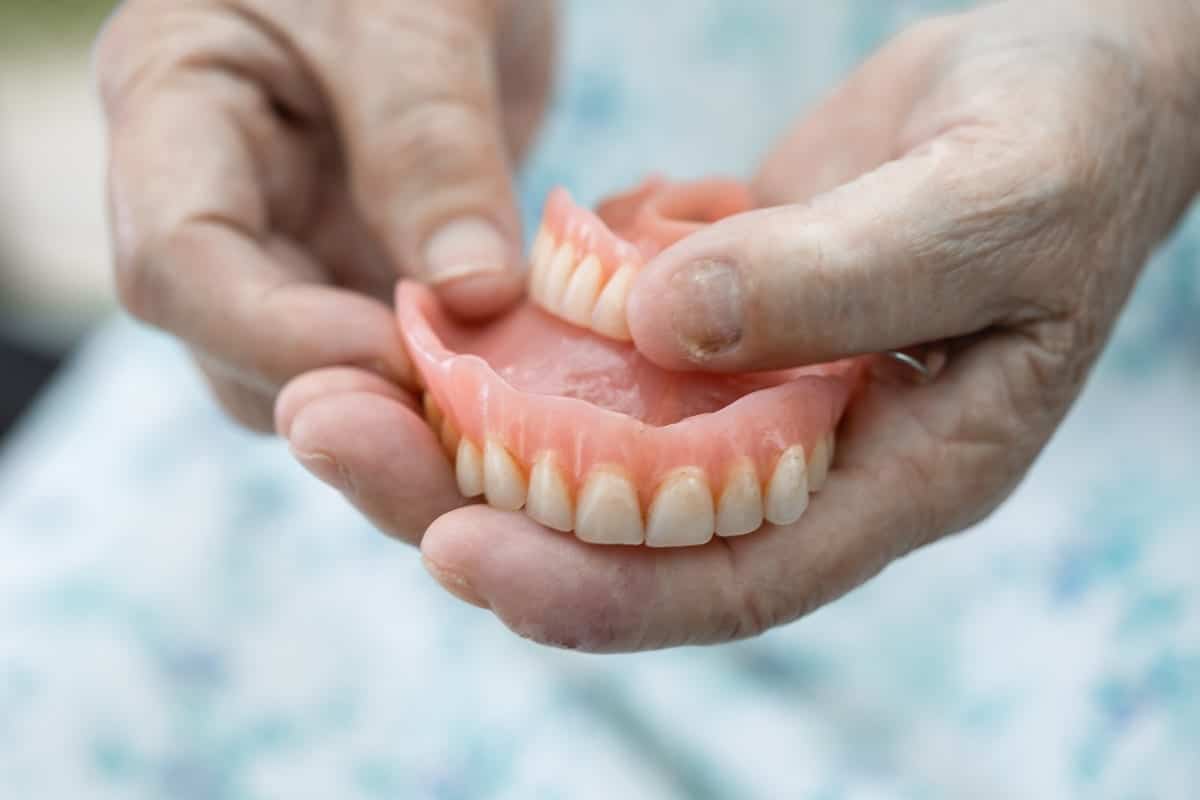
Complete dentures replace an entire arch — either upper, lower, or both. Partial dentures are used when some healthy natural teeth remain. Partial dentures are designed to clip onto existing teeth for stability and support.
In some cases, teeth that remain can be protected and used as anchors with a Dental Crowns restoration. Crowned teeth can support partial dentures more effectively. This approach preserves natural tooth structure while improving denture function.
Implant-supported dentures are another option worth discussing. These dentures snap onto dental implants placed in the jawbone. They offer significantly more stability than traditional removable dentures.
Life With Dentures: Adjusting and Thriving
Getting used to dentures takes time, and that is completely normal. Most patients in Opportunity find that the adjustment period lasts a few weeks to a couple of months. Speaking and eating will feel different at first, but both improve with practice.
Denture adhesives can help during the early adjustment phase. Regular cleanings and proper storage at night protect your investment. Routine dental visits allow Dr. Walker to check the fit and make any needed refinements.
Many patients are surprised by how much their quality of life improves with well-fitting dentures. Eating, smiling, and speaking with confidence again makes a meaningful difference. With the right care, dentures can serve you well for many years.
If you are ready to explore whether denture candidacy is right for you, our team at Cascade Dental Care is here to guide you through every step of this complete timeline. Book Now to schedule your appointment with our team.
Frequently Asked Questions
How do I know if I am a good candidate for dentures?
Good candidates are typically patients with multiple missing teeth, severely damaged teeth, or advanced gum disease that has compromised their natural dentition. Dr. Robert Walker evaluates your oral health, bone structure, and overall health during a comprehensive exam to determine the best path forward for your specific situation.
How long does the entire denture process take from start to finish?
The complete timeline from initial consultation to final denture placement typically ranges from three to six months. This timeline accounts for extractions, healing time, and the dental lab work needed to create your custom dentures. Some patients with immediate dentures wear temporaries while their final set is being crafted.
Will I be without teeth during the healing process?
In most cases, no. Immediate dentures can be placed the same day as your extractions so you are never without teeth. These temporary dentures will need adjustments as your gums heal and reshape. Your final dentures are fitted once your tissue has fully stabilized.
Are dentures comfortable to wear every day?
Most patients find dentures very comfortable once the initial adjustment period passes. It is normal to experience minor soreness or pressure during the first few weeks. Follow-up appointments with Dr. Walker allow for adjustments that improve comfort and fit over time.
Can I eat normally with dentures?
Yes, most patients return to eating a wide variety of foods with properly fitted dentures. It takes a short adjustment period to learn how to chew efficiently with dentures. Starting with softer foods and gradually reintroducing harder textures helps make the transition smooth and comfortable.