Why Your Teeth Won’t Whiten (And What Actually Works)


Why Your Teeth Won’t Whiten (And What Actually Works)
You’ve tried whitening strips. You’ve used whitening toothpaste for weeks. Your smile still looks dull. If this sounds familiar, you’re not alone — and there’s a real reason it’s happening. Understanding why your teeth won’t whiten and what actually works in Spokane starts with knowing the type of stain you’re dealing with. Not every discoloration responds to bleaching. Dr. Robert Walker at Cascade Dental Care – North Spokane helps patients find the right solution for their specific situation.
Extrinsic Stains: The Surface Stains Whitening Can Actually Reach
Extrinsic stains sit on the outer surface of your tooth enamel. These are the stains caused by what you eat, drink, and do every day. Coffee, tea, red wine, and tobacco are the most common culprits. These pigments cling to the enamel surface over time.
The good news is that extrinsic stains usually respond well to whitening treatments. Professional whitening uses a concentrated hydrogen peroxide gel to break apart surface pigments. This is the type of stain that whitening strips and in-office treatments are designed to tackle. If your stains are extrinsic, professional whitening can deliver noticeable results.
Over-the-counter products work on this type too — but much more slowly. Store-bought strips use a much lower concentration of peroxide. They may lighten stains slightly but rarely match professional-grade results. For Spokane patients wanting faster, more dramatic improvement, in-office treatment is typically the better choice.
Intrinsic Stains: Why Your Teeth Won’t Whiten With Bleaching Alone
Intrinsic stains are located inside the tooth itself — within the dentin layer beneath the enamel. These stains don’t sit on the surface. Bleaching agents can’t penetrate deeply enough to remove them effectively. This is the most common reason why teeth won’t whiten despite repeated attempts.
Several things cause intrinsic staining. Here are the most frequent causes Dr. Walker sees in Spokane patients:
- Tetracycline or antibiotic use during childhood tooth development
- Excessive fluoride exposure (fluorosis) during early childhood
- Tooth trauma that causes internal bleeding and darkening
- Natural aging, which thins enamel and reveals darker dentin underneath
- Decay or dead pulp tissue inside the tooth
If any of these apply to you, whitening products will likely disappoint you. The stain isn’t on the surface — so surface-level treatment won’t fix it. This is exactly where cosmetic dental alternatives make a real difference.
What Actually Works for Intrinsic Staining in Spokane
When whitening can’t fix the problem, Dr. Walker has several effective alternatives. The right option depends on how severe the staining is and what your goals are. These treatments address discoloration from the outside — covering or replacing the stained structure entirely.
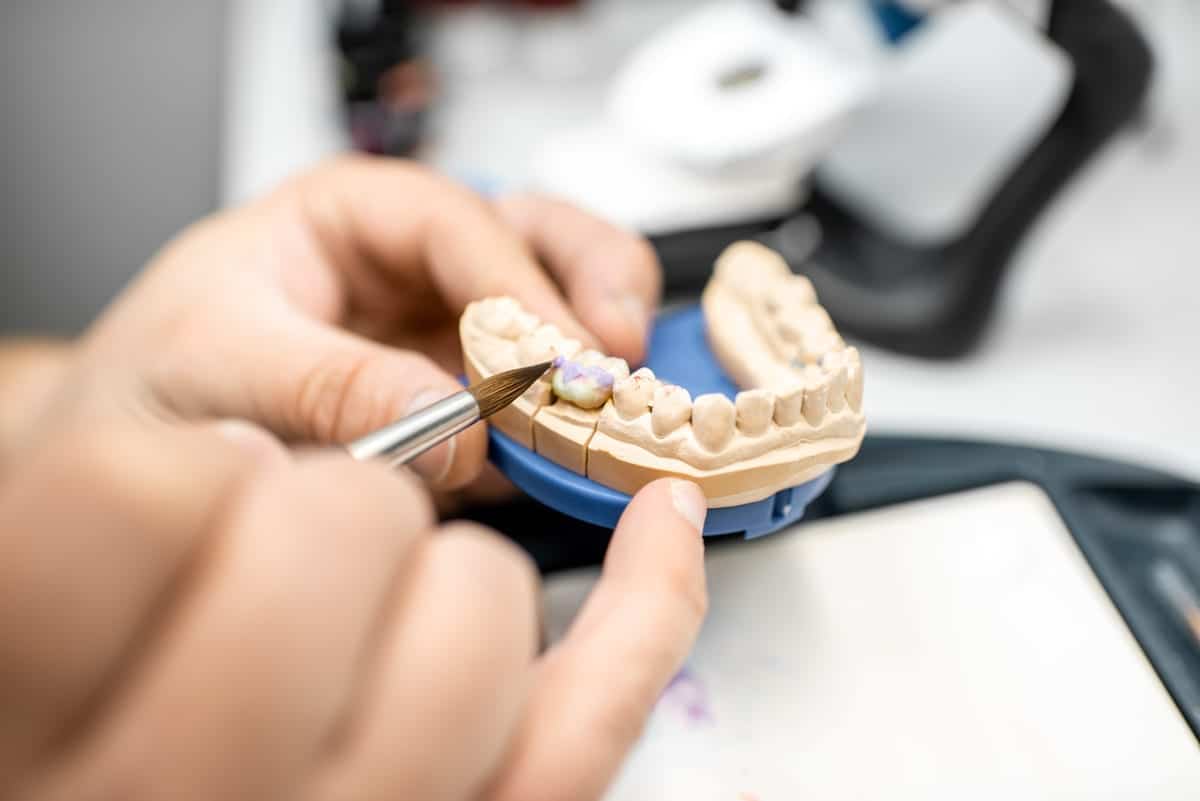
Dental veneers are one of the most popular solutions. Veneers are thin porcelain shells bonded to the front of your teeth. They completely mask deep staining that bleaching can’t touch. They also allow customization of shape, size, and shade.
Dental crowns are another strong option — especially when a tooth is heavily discolored and structurally compromised. Dental Crowns Spokane patients choose this option when a tooth needs both cosmetic and structural restoration. A crown covers the entire visible tooth above the gumline.
Composite bonding is a more affordable alternative for isolated stains on specific teeth. A tooth-colored resin is applied and shaped directly on the tooth surface. It blends with surrounding teeth for a natural result. Bonding is often completed in a single visit.
When Discoloration Is a Sign of a Deeper Problem
Sometimes, tooth darkening signals something happening below the surface. A single dark tooth — especially after an injury — may indicate a damaged or dying nerve. In these cases, the internal tissue breaks down and causes the tooth to darken from within. This is a dental concern that goes beyond cosmetics.
A tooth with a compromised nerve often needs a root canal to remove the damaged tissue. Root Canals Spokane patients often find that treating the underlying issue — and then placing a crown — restores both the health and appearance of the tooth. Ignoring a darkened tooth can lead to infection or more significant problems over time.
Dr. Walker recommends a full evaluation before starting any whitening or cosmetic treatment. An X-ray and exam can identify whether discoloration is cosmetic or a sign of something that needs clinical attention. Treating the cause first always produces better long-term outcomes.
Choosing the Right Whitening or Cosmetic Path in Spokane
Here’s a quick comparison to help you understand your options:
- Professional whitening: Best for extrinsic stains from food, drinks, or tobacco
- Veneers: Ideal for deep intrinsic staining, minor chips, or uneven teeth
- Crowns: Best when a tooth is both discolored and structurally weakened
- Composite bonding: A cost-effective fix for isolated surface discoloration
- Root canal + crown: Necessary when internal damage is causing the dark color
No single solution fits everyone. That’s why a personalized consultation with Dr. Walker is the most valuable first step. He’ll identify your stain type and recommend the most effective, minimally invasive approach. Spokane patients leave with a clear understanding of what will actually work for them.
Conclusion: Stop Guessing and Start Seeing Results
Whitening products are not one-size-fits-all. The reason why your teeth won’t whiten often comes down to the type of stain — not the effort you’re putting in. Intrinsic stains require cosmetic or restorative solutions that bleaching simply can’t provide. Knowing the difference saves time, money, and frustration. At Cascade Dental Care – North Spokane, Dr. Robert Walker takes a thorough, patient-centered approach to every smile concern. Book Now to schedule your appointment with our team.
Frequently Asked Questions
Why don’t whitening strips work on all teeth?
Whitening strips only address extrinsic stains on the tooth surface. If your discoloration is intrinsic — located inside the tooth — strips cannot penetrate deeply enough to make a visible difference. A dental evaluation can determine which type of stain you have.
Can a single dark tooth be whitened?
A single dark tooth often indicates internal damage, such as nerve trauma or decay. Whitening treatments won’t resolve this type of discoloration. Treatment typically involves a root canal to remove damaged tissue, followed by a crown to restore the tooth’s appearance.
Are veneers a permanent solution for deep staining?
Veneers are a long-lasting solution — typically lasting 10 to 15 years or more with proper care. They don’t remove the stain, but they cover it completely with a custom-shaded porcelain shell. Regular dental hygiene and checkups help extend their lifespan.
How do I know if my stains are intrinsic or extrinsic?
A dentist can identify the type of staining through a clinical exam and X-rays. Extrinsic stains typically appear as general yellowing or surface discoloration on multiple teeth. Intrinsic stains are often grayish, affect individual teeth, or result from specific events like antibiotic use or tooth trauma.
Is professional whitening better than store-bought products?
Professional whitening uses a higher concentration of bleaching agents than over-the-counter products. It produces faster, more even results for extrinsic staining. It is also supervised by a dentist, which reduces the risk of gum irritation and uneven results. For intrinsic stains, however, neither option will be effective.