Porcelain vs Zirconia vs Metal: Which Crown Should You Choose


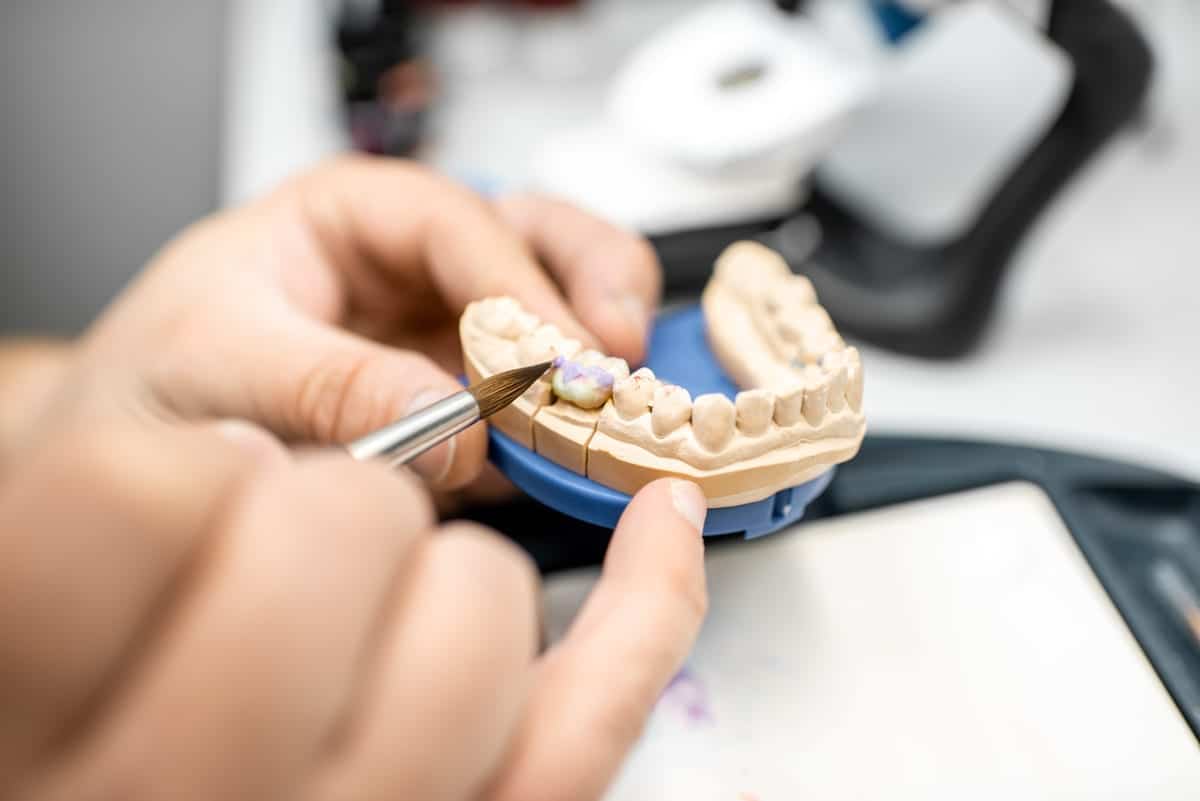
Porcelain vs Zirconia vs Metal: Which Crown Should You Choose
If your dentist has recommended a dental crown, you may be wondering what material is best for you. Choosing between porcelain vs zirconia vs metal — which crown should you choose in Veradale — is not always straightforward. Each material has unique strengths, limitations, and ideal uses. Understanding your options helps you have a more informed conversation with Dr. Robert Walker at Cascade Dental Care – Spokane Valley.
What Is a Dental Crown and Why Does Material Matter?
A dental crown is a cap that fits over a damaged or weakened tooth. It restores the tooth’s shape, strength, and appearance. Crowns are used after root canals, to protect cracked teeth, or to anchor dental bridges.
The material your crown is made from affects how it looks, how long it lasts, and how much it costs. Your dentist will weigh factors like tooth location, bite force, and your aesthetic goals. No single material is the best choice for every patient or every tooth.
Patients in Veradale often ask Dr. Walker which crown material they should choose. The answer depends on your individual situation. This guide breaks down the three most common options so you can make a confident, informed decision.
Porcelain Crowns: The Natural-Looking Choice
Porcelain crowns are popular because they closely mimic the look of natural teeth. They reflect light similarly to real enamel. This makes them an excellent choice for front teeth where appearance matters most.
Benefits of porcelain crowns include:
- Highly natural appearance that blends with surrounding teeth
- Biocompatible material — unlikely to cause gum irritation
- A good option for patients with metal sensitivities
- Stain-resistant compared to composite materials
However, porcelain is not as strong as zirconia or metal. It can chip or crack under heavy biting pressure. For this reason, dentists typically avoid using all-porcelain crowns on back molars. If you grind your teeth, porcelain may not be the ideal material for you.
Porcelain crowns are also among the more affordable tooth-colored options. They work well for patients who prioritize a seamless smile over maximum durability.
Zirconia Crowns: Strength Meets Aesthetics
Zirconia has become one of the most popular crown materials in modern dentistry. It combines impressive strength with a natural, tooth-colored appearance. Many dentists now consider zirconia the gold standard for most crown cases.
Zirconia crowns offer several advantages:
- Extremely durable — resistant to chipping and cracking
- Tooth-colored for a natural look on front and back teeth
- Biocompatible and metal-free
- Can withstand heavy bite forces on molars
- Long lifespan with proper care
Zirconia is an excellent choice for patients who need a crown on a back tooth but still want an aesthetic result. It handles the grinding and chewing pressure that molars experience every day. Patients who clench or grind their teeth often do better with zirconia than porcelain.
One consideration is cost. Zirconia crowns are typically more expensive than metal or traditional porcelain options. However, their durability means they may save you money in the long run by lasting longer. Dr. Walker can help you weigh the upfront cost against the long-term benefits during your consultation.
Metal Crowns: Durability Above All Else
Metal crowns — including gold and other alloys — have been used in dentistry for decades. They are still considered one of the most durable crown options available. Metal holds up exceptionally well under years of chewing and grinding.
Key facts about metal crowns:
- Extremely strong and long-lasting
- Require less tooth removal during preparation
- Less likely to chip or fracture than porcelain or zirconia
- Generally the most cost-effective option
The obvious drawback is aesthetics. Metal crowns are silver or gold in color. They stand out noticeably against natural teeth. For this reason, most patients and dentists reserve metal crowns for second molars that are not visible when smiling.
Some patients actually prefer gold crowns for their back teeth. Gold is gentle on opposing teeth and has a proven track record. If longevity and function are your top priorities over appearance, metal remains a highly reliable choice.
Porcelain-Fused-to-Metal: A Hybrid Option Worth Knowing
Porcelain-fused-to-metal (PFM) crowns offer a middle ground between aesthetics and strength. A metal base provides durability while a porcelain outer layer improves the appearance. PFM crowns have been used successfully for many years.
However, PFM crowns have some drawbacks. The metal base can show through the porcelain as a gray line near the gumline over time. They may also be harder on opposing teeth than zirconia. With modern zirconia available, many dentists now recommend it over PFM for most cases.
Which Crown Is Right for Your Tooth in Veradale?
Your dentist’s recommendation will depend on several key factors. These include the tooth’s location, the amount of remaining tooth structure, your bite, and your aesthetic goals. There is no universal answer when comparing porcelain vs zirconia vs metal — which crown should you choose in Veradale depends entirely on your unique needs.
Here is a general guide based on tooth location and need:
- Front teeth: Porcelain or zirconia for the most natural appearance
- Back molars with heavy bite: Zirconia or metal for maximum strength
- Teeth with sensitivity to metal: Porcelain or zirconia
- Patients who grind teeth: Zirconia for durability
- Budget-conscious patients: Metal or porcelain as lower-cost options
If you need a crown after a Root Canals Veradale procedure, your dentist will likely recommend zirconia or metal depending on which tooth was treated. A crown used to support Dental Bridges Veradale may also have different material requirements based on the span and bite forces involved.
Dr. Walker takes a patient-centered approach at Cascade Dental Care – Spokane Valley. He explains each option clearly and helps you understand what will work best for your smile, your lifestyle, and your long-term oral health.
What to Expect During Your Crown Consultation
Your crown consultation begins with a thorough exam. Dr. Walker will assess the damaged tooth and take X-rays if needed. He will discuss your goals and review which material options are most appropriate for your situation.
The crown process typically involves two appointments. During the first visit, the tooth is prepared and an impression is taken. A temporary crown protects the tooth while your permanent crown is fabricated. At the second visit, the permanent crown is placed and adjusted for a comfortable fit.
Caring for your crown is straightforward. Brush and floss daily. Avoid chewing ice or very hard foods. Regular checkups at Cascade Dental Care – Spokane Valley help your crown last as long as possible.
Conclusion
Choosing between porcelain, zirconia, and metal crowns is an important decision. Each material has real advantages depending on your specific tooth and lifestyle. The best crown is the one that fits your function, aesthetics, and long-term oral health needs. Dr. Robert Walker and the team at Cascade Dental Care – Spokane Valley are here to guide Veradale patients every step of the way. Book Now to schedule your appointment with our team.
Frequently Asked Questions
How long do dental crowns typically last?
Most dental crowns last between 10 and 15 years with proper care. Zirconia and metal crowns can last even longer. Regular dental checkups and good oral hygiene habits significantly extend a crown’s lifespan.
Is a zirconia crown better than porcelain?
Zirconia is stronger and more durable than traditional porcelain. It works well for both front and back teeth. Porcelain may still be preferred in certain aesthetic situations, but zirconia is now the most versatile option for most patients.
Will my crown look natural?
Porcelain and zirconia crowns are designed to match the color and translucency of your natural teeth. Most people cannot tell the difference between a well-made crown and a real tooth. Metal crowns are visible due to their color and are best placed on back molars.
Do crowns require special care?
Crowns do not require special tools, but good oral hygiene is essential. Brush twice daily and floss carefully around the crown margin. Avoid habits like chewing ice or biting nails, which can damage any crown material over time.
Can a crown fall off or break?
It is uncommon but possible for a crown to loosen or chip, especially if it experiences unusual stress. Contact Cascade Dental Care – Spokane Valley promptly if your crown feels loose, painful, or damaged. Early attention prevents further damage to the underlying tooth.