Stop Sleep Apnea Before It Becomes a Serious Health Crisis


Stop Sleep Apnea Before It Becomes a Serious Health Crisis
Many Spokane residents brush off loud snoring or restless sleep as minor annoyances. But these signs could point to something far more dangerous. The good news is that you can stop sleep apnea before it becomes a serious health crisis in Spokane — if you act early. Dr. Robert Walker and the team at Cascade Dental Care – South Hill are here to help you understand why early action matters.
Why Sleep Apnea Is More Dangerous Than You Think
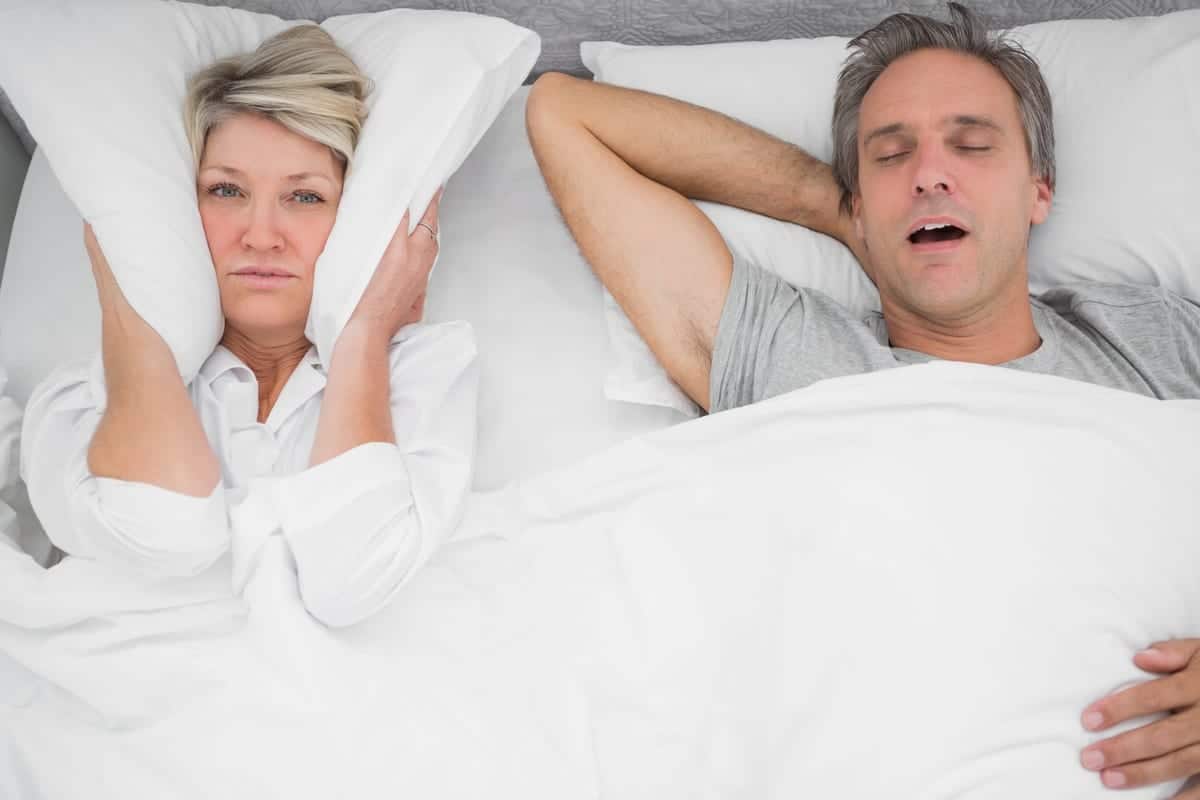
Sleep apnea is a condition where breathing repeatedly stops during sleep. Each pause can last seconds or even minutes. Over time, these interruptions starve your body of oxygen and put enormous strain on your heart and brain.
Untreated sleep apnea has been linked to serious health conditions. These include high blood pressure, stroke, heart disease, and type 2 diabetes. The longer it goes untreated, the harder these conditions become to manage.
Spokane residents living with undiagnosed sleep apnea may not even realize how much their health is declining. Fatigue, brain fog, and irritability often get blamed on stress or aging. But the real culprit could be interrupted breathing during sleep.
How to Stop Sleep Apnea Before It Becomes a Serious Health Crisis in Spokane
Prevention is always more effective — and more affordable — than treating advanced complications. Identifying sleep apnea early gives you the most treatment options and the best outcomes. Dentists like Dr. Robert Walker are trained to spot early warning signs at routine checkups.
Dental screenings can catch physical indicators of sleep apnea. These include jaw tension, teeth grinding, and a narrowed airway. Catching these signs early means you can act before your health deteriorates.
Here are key steps you can take to prevent sleep apnea from becoming a crisis:
- Schedule regular dental checkups to monitor oral signs of sleep apnea
- Tell your dentist about snoring, gasping, or poor sleep quality
- Ask about oral appliance therapy as an early intervention
- Maintain a healthy weight to reduce airway pressure
- Avoid alcohol and sedatives before bedtime
- Sleep on your side rather than your back when possible
Each of these steps reduces your risk and helps preserve your long-term wellbeing. Small changes early on can prevent major health crises later.
The Link Between Sleep Apnea and Your Oral Health
Sleep apnea and oral health are more connected than most people realize. Teeth grinding — known as bruxism — is a common companion to sleep apnea. The body grinds its teeth as a reflex to reopen a blocked airway.
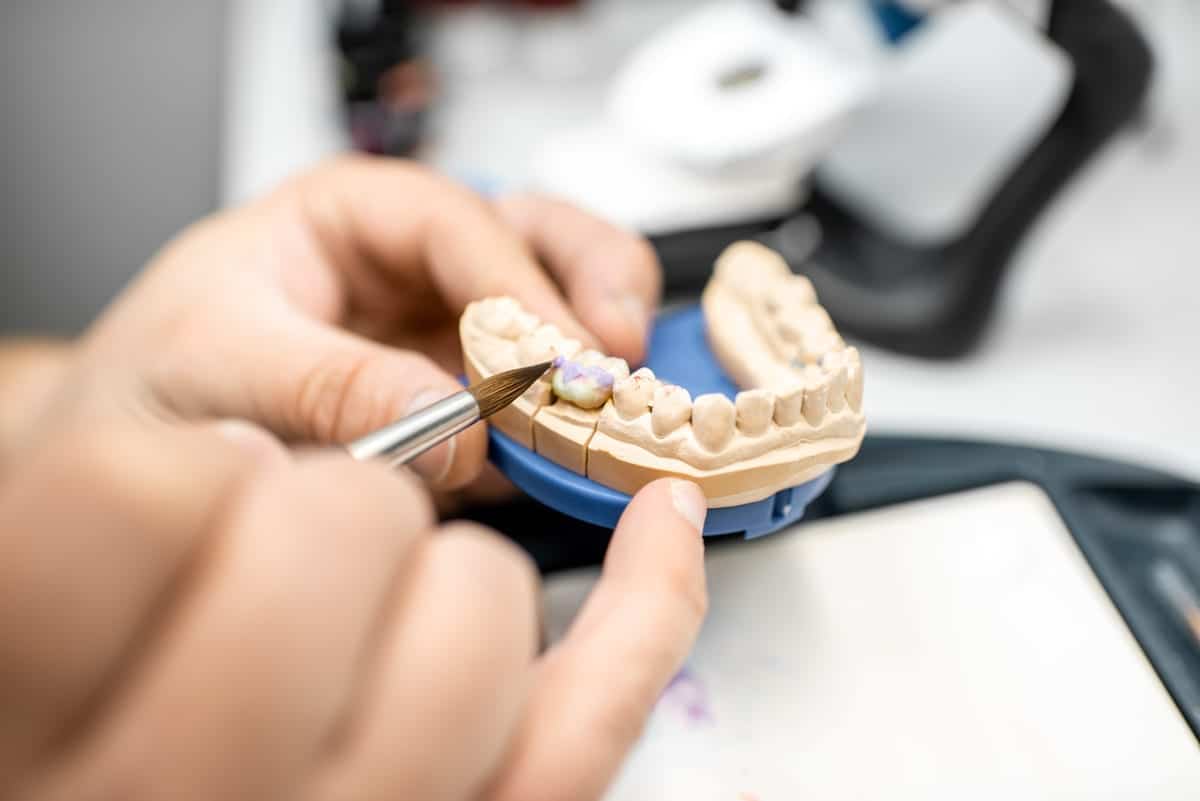
Chronic grinding wears down enamel and weakens teeth over time. This can lead to cracked or broken teeth that require Dental Crowns Spokane patients trust to restore function and strength. Addressing sleep apnea early helps prevent that chain reaction from starting.
Additionally, untreated airway problems can increase oral bacteria from dry mouth. Dry mouth is a side effect of mouth breathing during sleep. This raises the risk of cavities, gum disease, and infection — which may eventually require Root Canals Spokane residents want to avoid whenever possible.
Taking care of your airway health protects your smile at the same time. These two systems work together, and your dentist is a key part of keeping both healthy.
What Happens When Sleep Apnea Goes Untreated for Too Long
Delaying treatment is never a neutral choice. Every night of untreated sleep apnea adds cumulative damage to your body. The cardiovascular system takes one of the hardest hits over time.
Chronic oxygen deprivation raises your risk of irregular heart rhythms. It also contributes to persistent high blood pressure that becomes harder to control with medication alone. These conditions increase your lifetime risk of heart attack and stroke significantly.
Mental health also suffers with long-term sleep apnea. Studies show strong links between untreated sleep disorders and depression and anxiety. Poor sleep reduces your brain’s ability to regulate emotions and process stress effectively.
The financial cost of waiting is also very real. Treating advanced heart disease, diabetes complications, or dental damage from grinding costs far more than early intervention. Preventing a crisis is almost always less expensive than managing one.
What Early Sleep Apnea Treatment Looks Like at Cascade Dental Care
At Cascade Dental Care – South Hill, Dr. Robert Walker takes a preventive approach to every patient’s oral and overall health. He evaluates patients for signs of sleep-related breathing problems during routine visits. Early detection opens the door to simple, effective solutions.
One of the most accessible options is a custom oral appliance. This small device repositions your jaw to keep your airway open during sleep. It is comfortable, portable, and easy to use — with no mask or machine required.
Here is what patients can typically expect during an early sleep apnea evaluation:
- A thorough review of sleep symptoms and health history
- An oral examination looking for signs of grinding, jaw tension, or airway narrowing
- A referral for a sleep study if needed for a formal diagnosis
- A custom treatment plan designed around your specific needs and lifestyle
- Follow-up care to monitor progress and adjust treatment as needed
This process is straightforward and patient-centered. The earlier you start, the more options you have available to you.
Frequently Asked Questions
Can a dentist really help with sleep apnea?
Yes. Dentists are often the first healthcare providers to notice signs of sleep apnea. They can spot jaw tension, teeth grinding, and airway issues during routine exams. Dr. Robert Walker at Cascade Dental Care – South Hill provides oral appliance therapy as a non-invasive early treatment option for qualifying patients.
What are the earliest warning signs of sleep apnea I should watch for?
Common early signs include loud or frequent snoring, waking up with a dry mouth, morning headaches, difficulty concentrating during the day, and feeling tired even after a full night of sleep. If you notice any of these symptoms, speak with your dentist as soon as possible.
How does untreated sleep apnea affect my teeth and gums?
Untreated sleep apnea often leads to mouth breathing and teeth grinding. Mouth breathing causes dry mouth, which increases the risk of cavities and gum disease. Grinding wears down enamel and can crack teeth, sometimes requiring crowns or other restorative care to fix the damage.
Is oral appliance therapy effective for preventing sleep apnea complications?
For mild to moderate sleep apnea, oral appliances are highly effective. They reposition the lower jaw to keep the airway open during sleep. Many patients find them more comfortable and easier to use than traditional CPAP machines, and they work best when treatment begins early.
How soon should I seek help if I suspect sleep apnea?
You should seek help as soon as possible. Sleep apnea is a progressive condition — it tends to worsen over time without treatment. The earlier you address it, the more you protect your heart, brain, and overall health. Scheduling a dental evaluation is a simple first step you can take right away.
If you or someone you love is showing signs of sleep apnea, do not wait for the problem to escalate. The team at Cascade Dental Care – South Hill is ready to help Spokane patients take early, effective action. Book Now to schedule your appointment with our team.