Why Dental Needs Change After 60—And How Sedation Dentistry Helps



Why Dental Needs Change After 60—And How Sedation Dentistry Helps
Understanding why dental needs change after 60—and how sedation dentistry helps Spokane seniors—is more important than many people realize. Your mouth goes through significant changes as you age. Medications, gum recession, and decades of wear all take a toll. At Cascade Dental Care – South Hill, Dr. Robert Walker works with older adults to protect their smiles for the long term.
If you are over 60, your dental visits may look different than they did in your 40s. That is completely normal. The good news is that modern dentistry offers more solutions than ever before. This guide explains what to expect and how we can help.
How Aging Changes Your Oral Health After 60
Your teeth and gums face new challenges after 60. Decades of chewing, grinding, and daily wear gradually weaken enamel. Gums naturally recede with age, exposing sensitive root surfaces. These roots are softer than enamel and decay much faster.
Dry mouth is another serious concern for older adults. Many common medications—including those for blood pressure, depression, and allergies—reduce saliva flow. Saliva is your mouth’s natural defense against bacteria. Without enough of it, cavities and gum disease can develop quickly.
Bone density also decreases with age. This affects the jawbone that supports your teeth. Lower bone density can make tooth loss more likely. It can also affect your candidacy for dental implants, which is something Dr. Walker evaluates carefully for each patient.
Common oral health changes seniors experience include:
- Increased gum recession and root exposure
- Dry mouth caused by medications
- Faster root decay near the gumline
- Worn or cracked enamel from years of use
- Higher risk of gum disease and tooth loss
- Changes in jawbone density over time
Root Decay and Gum Recession—What Seniors Need to Know
Root decay is one of the most common dental problems for adults over 60. When gums recede, the root surface becomes exposed. Unlike enamel, roots have no hard protective coating. They are vulnerable to bacteria and acid damage.
Root decay often develops in areas that are hard to clean. Gaps between teeth and beneath the gumline collect plaque easily. Without treatment, root decay can spread quickly and become painful. Early intervention is always better than waiting.
If decay reaches the inner pulp of the tooth, a Root Canals Spokane treatment may be needed to save it. Dr. Walker performs root canal therapy in a calm, supportive environment. Many patients are surprised by how comfortable the experience can be. After a root canal, a Dental Crowns Spokane restoration is often placed to protect and strengthen the tooth.
Treating gum recession early also protects your underlying bone. Healthy bone is essential for keeping your natural teeth—and for supporting implants if tooth loss does occur. Routine checkups allow Dr. Walker to catch these issues before they worsen.
Dentures, Implants, and Tooth Replacement Options for Older Adults in Spokane
Tooth loss becomes more common after age 60. Fortunately, there are excellent options available for replacing missing teeth. The right solution depends on your health, bone density, and personal goals.
Dentures remain a practical and affordable choice for many seniors. Modern dentures fit better and look more natural than older versions. Partial dentures can replace a few missing teeth. Full dentures replace an entire arch.
Dental implants offer a more permanent solution. They function like natural tooth roots and help preserve jawbone. However, implant candidacy depends on sufficient bone density and overall health. Dr. Walker conducts thorough evaluations to determine whether implants are appropriate for each patient.
Dental bridges are another option when bone density is a concern. A bridge spans the gap left by a missing tooth and is anchored to neighboring teeth. Each option has unique advantages. Dr. Walker will walk you through all choices clearly and without pressure.
Here is a quick comparison of tooth replacement options:
- Dentures: Removable, cost-effective, suitable for multiple missing teeth
- Dental Implants: Permanent, bone-preserving, closest to a natural tooth
- Dental Bridges: Fixed, no surgery required, anchored to adjacent teeth
How Sedation Dentistry Helps Spokane Seniors Receive Better Care
Many older adults feel anxious about dental visits. Years of difficult experiences can create real fear. Physical conditions like arthritis or back pain can also make sitting in a dental chair uncomfortable. Sedation dentistry addresses both of these challenges directly.
Sedation dentistry uses safe, monitored medication to help patients relax during treatment. It does not necessarily mean you are fully asleep. Levels of sedation range from mild relaxation to deeper sedation for more complex procedures. Dr. Walker tailors the level to your comfort and health needs.
Sedation also allows more work to be completed in fewer visits. This is a real benefit for seniors who find multiple appointments exhausting. It reduces physical strain and emotional stress at the same time. Many patients feel as though the procedure lasted only a few minutes.
Sedation is especially helpful for seniors who need longer or more complex treatments. Root canals, implant placement, and multiple extractions are all easier with sedation support. Dr. Walker and the team at Cascade Dental Care – South Hill prioritize your comfort every step of the way.
What to Expect at Your Senior Dental Appointment in Spokane
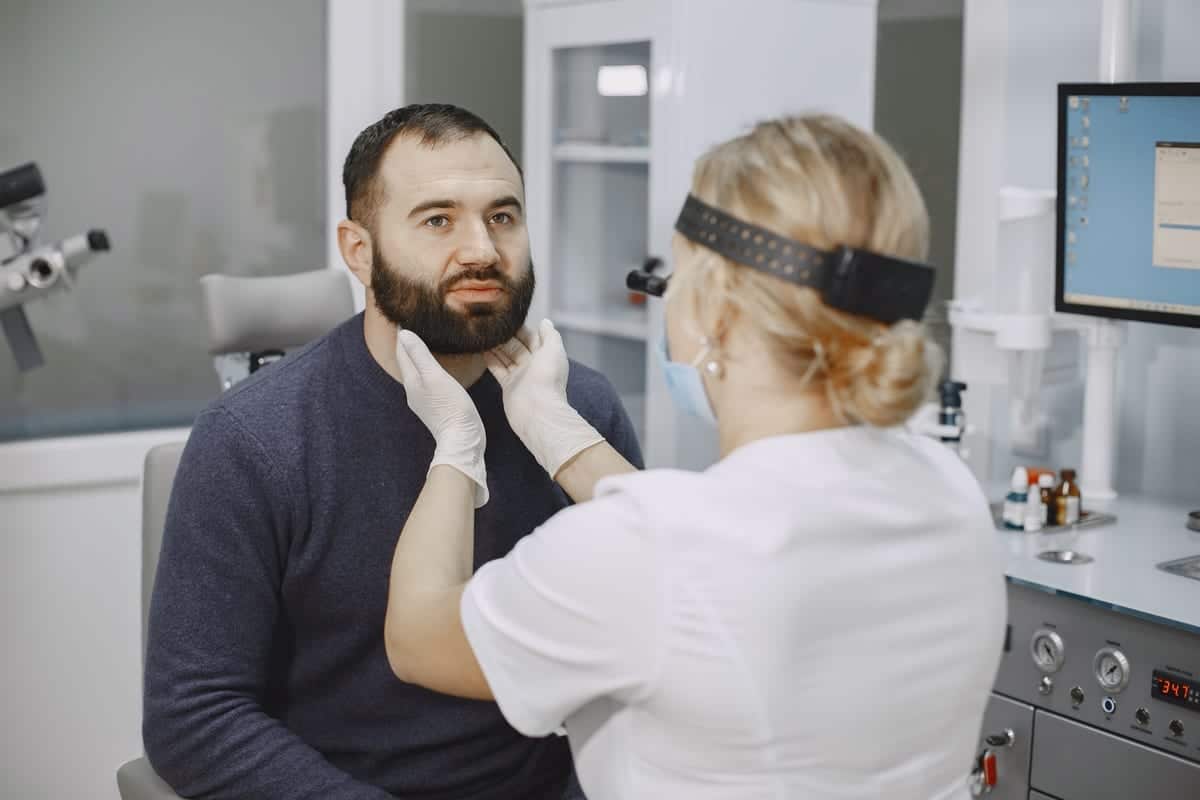
Your first step is a comprehensive exam with Dr. Walker. He takes time to understand your full medical history, including all medications you take. This helps him identify risks like dry mouth, gum disease, and root vulnerability early.
Digital X-rays give a detailed picture of your bone health and tooth roots. Dr. Walker reviews these with you and explains what he sees in plain language. There is no confusing jargon—just honest, clear information.
From there, a personalized care plan is created. It may include professional cleaning, fluoride treatments to protect exposed roots, or restorative work like crowns or implants. Every recommendation is based on your specific needs and long-term oral health goals.
The Cascade Dental Care – South Hill team understands that dental visits can feel overwhelming. They work at your pace and welcome questions at every stage. You will never feel rushed or uninformed during your visit.
Conclusion
Aging brings real changes to your oral health—but it does not have to mean losing your smile. Understanding why dental needs change after 60 and how sedation dentistry helps Spokane seniors is the first step toward staying proactive. Dr. Robert Walker at Cascade Dental Care – South Hill is experienced in senior dental care and committed to your comfort. Book Now to schedule your appointment with our team.
Frequently Asked Questions
Why do teeth decay faster after age 60?
Gum recession exposes root surfaces that lack the protective enamel found on crowns. Roots decay more easily because they are softer. Dry mouth from medications also reduces saliva, which normally helps neutralize acids and wash away bacteria. Together, these factors significantly increase decay risk in older adults.
Is sedation dentistry safe for older patients?
Yes, sedation dentistry is safe when properly administered and monitored. Dr. Walker reviews your full medical history and current medications before recommending any sedation. He selects the level of sedation that is safest and most comfortable for your specific health profile. Your vital signs are monitored throughout the entire procedure.
Can seniors get dental implants?
Many seniors are excellent candidates for dental implants. However, sufficient jawbone density is required to support the implant post. Dr. Walker uses digital X-rays and a thorough exam to assess bone health. If bone density is low, alternative options like bridges or dentures may be recommended instead.
How does dry mouth from medication affect my teeth?
Saliva plays a critical role in protecting your teeth from bacteria and acid. When medication reduces saliva flow, you lose that natural defense. This leads to faster plaque buildup, gum irritation, and decay—especially around exposed root surfaces. Dr. Walker can recommend rinses, fluoride treatments, and hydration strategies to help manage dry mouth.
How often should seniors visit the dentist?
Most adults over 60 benefit from dental visits every six months. Some patients with gum disease, dry mouth, or active decay may need more frequent checkups. Dr. Walker will recommend a visit schedule tailored to your current oral health status. Regular monitoring helps catch problems early before they require more complex treatment.