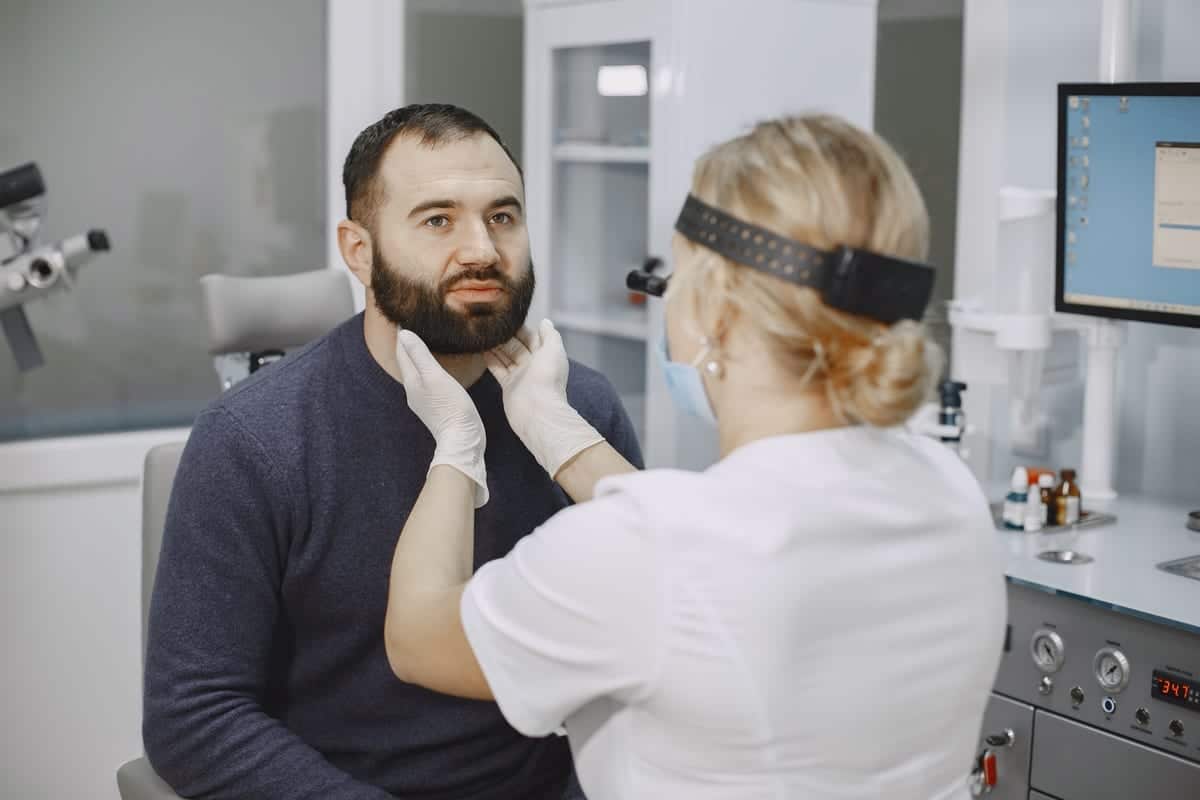
What to Expect After Sleep Apnea Treatment: Your Recovery Guide


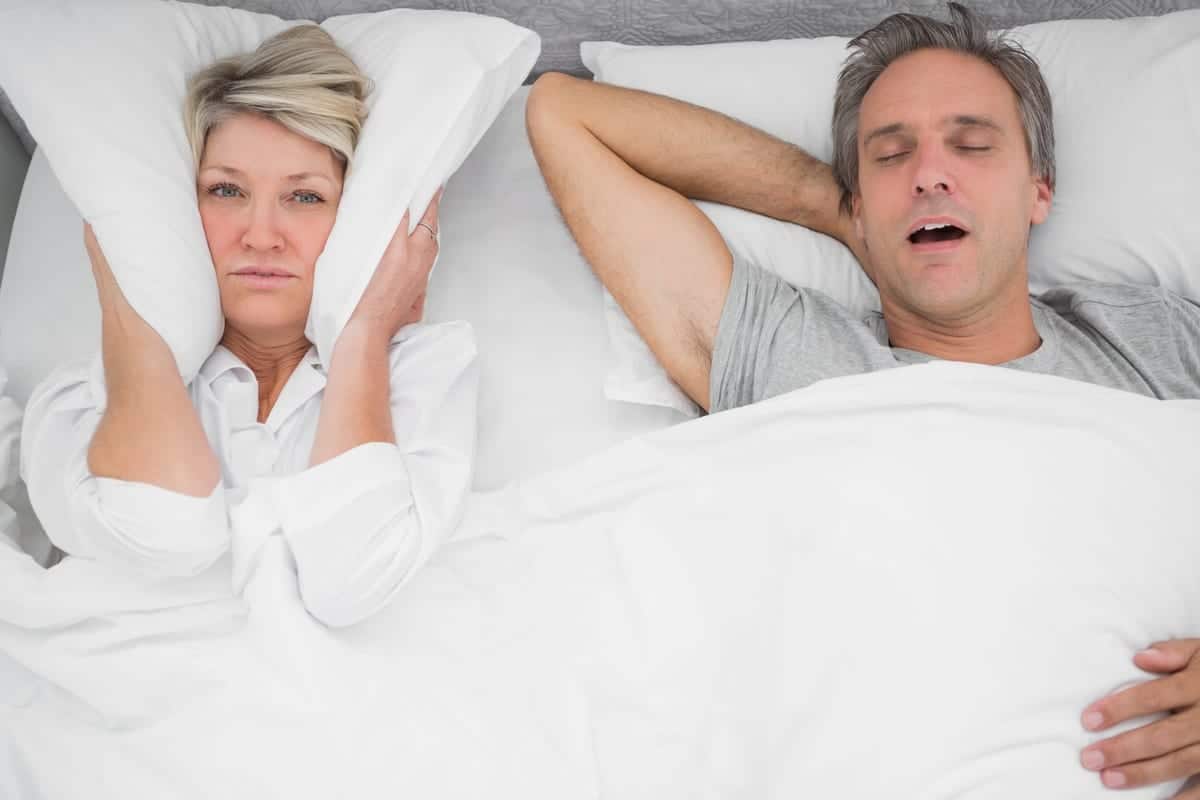
What to Expect After Sleep Apnea Treatment: Your Recovery Guide
Starting sleep apnea treatment is a major step toward better health. Many Spokane patients feel relieved after their first treatment session. But knowing what to expect after sleep apnea treatment — your recovery guide in Spokane — helps you heal faster and get the most from care. Dr. Robert Walker and the team at Cascade Dental Care – North Spokane are here to walk you through every stage of your recovery.
Understanding Your Recovery Timeline After Sleep Apnea Treatment in Spokane
Recovery from sleep apnea treatment varies by the type of treatment you received. Oral appliance therapy typically requires a short adjustment period of one to two weeks. Surgical options may involve a longer recovery of several weeks. Most Spokane patients notice improved sleep quality within the first few nights of consistent use.
During the first week, you may feel mild soreness in your jaw or gums. This is completely normal and usually fades quickly. Your body is simply adapting to a new appliance or healing from a procedure. Stay patient and consistent with your treatment plan.
By weeks two through four, most discomfort should resolve. You may begin sleeping more deeply and feeling more rested during the day. Energy levels often improve noticeably during this phase. If symptoms worsen instead of improving, contact our office right away.
What to Eat and Drink During Your Recovery
Diet plays a surprisingly important role in your recovery from sleep apnea treatment. If you had an oral appliance fitted, you may experience temporary jaw tenderness. Soft foods during the first few days can make eating much more comfortable. Think yogurt, mashed potatoes, scrambled eggs, and smoothies.
Avoid hard, crunchy, or chewy foods during the initial adjustment period. These foods can place unnecessary strain on your jaw or appliance. Chewing on one side is not a good workaround — it can cause uneven bite pressure. Give your jaw equal rest on both sides.
- Soft fruits like bananas, avocados, and berries
- Cooked vegetables such as steamed carrots or mashed sweet potato
- Soups and broths with soft ingredients
- Soft proteins like fish, eggs, or tender chicken
- Oatmeal, yogurt, and cottage cheese
Stay well hydrated throughout your recovery. Water supports tissue healing and helps flush out inflammation. Avoid alcohol during early recovery, especially before bed. Alcohol relaxes throat muscles and can worsen sleep apnea symptoms temporarily.
Managing Discomfort and Side Effects After Treatment
Mild discomfort is a normal part of adjusting to sleep apnea treatment. Over-the-counter pain relievers like ibuprofen can help manage jaw soreness. Always follow the dosing instructions on the packaging carefully. Let Dr. Walker know if pain persists beyond the first week.
Some patients experience increased saliva production when they first use an oral appliance. This side effect usually resolves on its own within a few days. Others may notice dry mouth, especially with CPAP-style devices. Using a humidifier or rinsing with water before bed can provide relief.
- Apply a warm compress to relieve jaw muscle tension
- Practice gentle jaw stretches recommended by your dental team
- Rinse with warm salt water to soothe oral tissues
- Avoid clenching or grinding your teeth if possible
- Sleep on your side to reduce airway pressure
Skin irritation around the mouth or nose is common with certain appliances. Keep the contact areas clean and moisturized. Report any unusual redness, rashes, or sores to your provider immediately. These issues are manageable when caught early.
How Oral Health Connects to Your Sleep Apnea Recovery
Sleep apnea treatment and oral health are deeply connected. Teeth grinding, jaw pain, and bite changes can all affect how well your treatment works. Protecting your teeth during recovery is essential. If you develop tooth sensitivity or cracking, ask about a Dental Crowns Spokane solution to restore strength and function.
Some patients undergoing sleep apnea treatment also discover underlying dental issues. These may include gum disease, decay, or the need for restorative care. Addressing these concerns promptly supports better treatment outcomes. Our team at Cascade Dental Care connects your sleep health to your overall oral health plan.
Occasionally, untreated tooth pain disrupts sleep and complicates recovery. Infection or nerve damage in a tooth can worsen nighttime discomfort significantly. If you are experiencing sharp or lingering tooth pain, ask about Root Canals Spokane treatment to address the source. Treating dental pain supports a smoother and more restful recovery.
When to Call Cascade Dental Care – North Spokane
Knowing when to seek help is an important part of your recovery. Some symptoms are normal. Others require prompt attention from your dental team. Do not wait if something feels seriously wrong.
Call our office if you experience any of the following after treatment:
- Jaw pain that worsens after the first week instead of improving
- Difficulty breathing, swallowing, or opening your mouth fully
- Signs of infection such as fever, swelling, or discharge
- Appliance cracking, breaking, or no longer fitting properly
- Continued or worsening sleep disruption after the adjustment period
Our team in North Spokane is here to support you at every step. Dr. Walker and his staff take your recovery seriously. A quick call or appointment can prevent small issues from becoming bigger problems. Never hesitate to reach out when something does not feel right.
Conclusion: Your Best Sleep Starts With the Right Aftercare
Sleep apnea treatment can be life-changing when you follow through with proper aftercare. Recovery takes patience, consistency, and a good support team by your side. At Cascade Dental Care – North Spokane, Dr. Robert Walker is committed to guiding Spokane patients through every phase of healing. Understanding what to expect after sleep apnea treatment — your recovery guide in Spokane — puts you in control of your health. Book Now to schedule your appointment with our team.
Frequently Asked Questions
How long does it take to fully adjust to sleep apnea treatment?
Most patients adjust to oral appliance therapy within one to two weeks. Surgical recovery may take several weeks depending on the procedure. Consistency with your treatment plan is the key to faster adjustment. Contact Dr. Walker if discomfort persists beyond the expected timeline.
Is it normal to feel jaw soreness after getting a sleep apnea oral appliance?
Yes, mild jaw soreness is very common during the first few days. Your muscles and joints are adapting to a new position overnight. Warm compresses, gentle stretches, and soft foods typically help. Soreness that worsens or does not improve after a week should be evaluated.
Can sleep apnea treatment affect my teeth?
Some oral appliances can cause minor tooth shifting or changes in bite over time. Regular dental check-ups help catch and address these changes early. Dr. Walker monitors your dental health throughout the treatment process. Restorative options like dental crowns can help protect and restore teeth if needed.
What should I do if my oral appliance breaks or stops fitting properly?
Stop using the appliance immediately if it cracks or no longer fits comfortably. A poorly fitting appliance can cause jaw strain or fail to treat your apnea effectively. Call Cascade Dental Care – North Spokane to schedule a fitting adjustment or replacement. Do not attempt to repair it yourself at home.
How soon will I notice better sleep quality after starting treatment?
Many Spokane patients report improved sleep within the first few nights of treatment. Deeper, more restful sleep often follows as the body adjusts over the first two weeks. Daytime energy and focus typically improve alongside sleep quality. Results vary by individual, so track your symptoms and share updates with your care team.