What Dental Veneers Actually Fix (And What They Can’t)


What Dental Veneers Actually Fix (And What They Can’t)
Many Spokane Valley patients ask Dr. Robert Walker the same question: what do dental veneers actually fix? It’s a fair question. Veneers get a lot of attention in cosmetic dentistry. But understanding what they genuinely solve — and where they fall short — helps you make a smart, informed decision. This guide breaks it all down clearly.
If you’ve been wondering about what dental veneers actually fix (and what they can’t) in Spokane Valley, you’re in the right place. We’ll walk through everything you need to know before booking a consultation.
What Are Dental Veneers, Exactly?
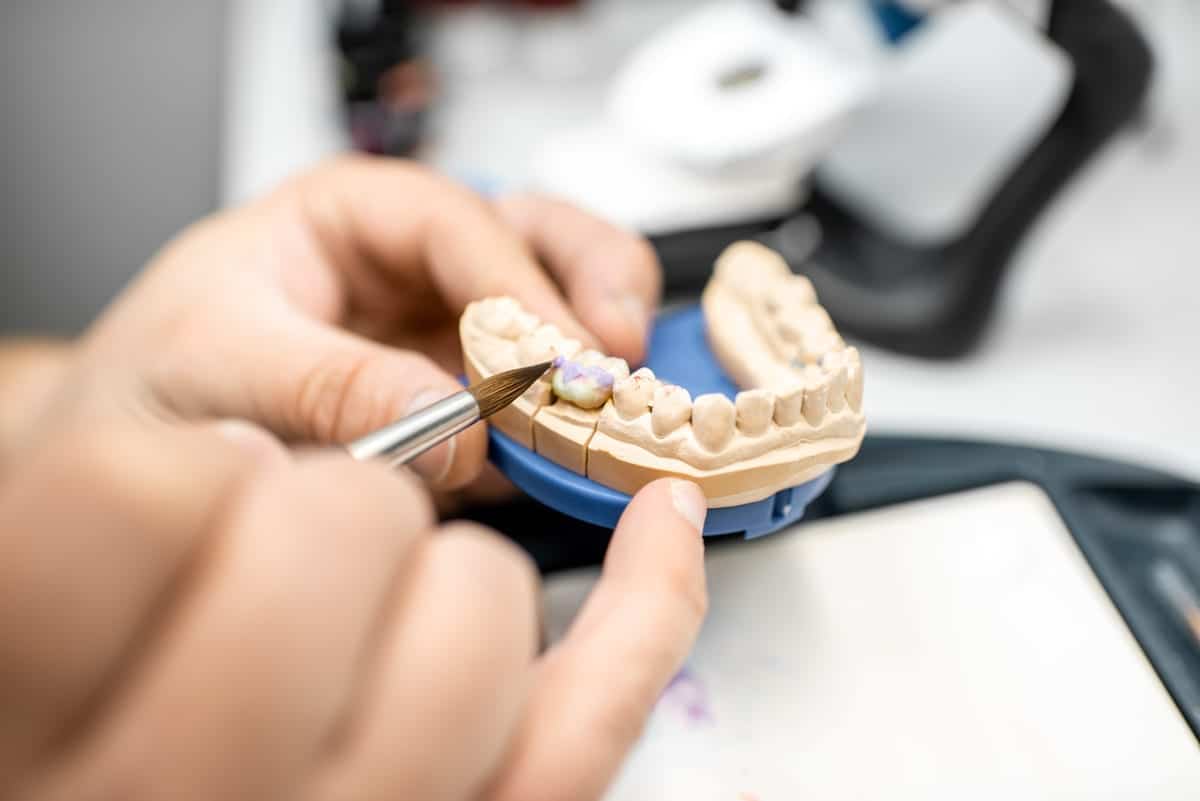
Dental veneers are thin shells bonded directly to the front surface of your teeth. They’re typically made from porcelain or composite resin. Porcelain is the most popular choice because it mimics the natural look of tooth enamel beautifully.
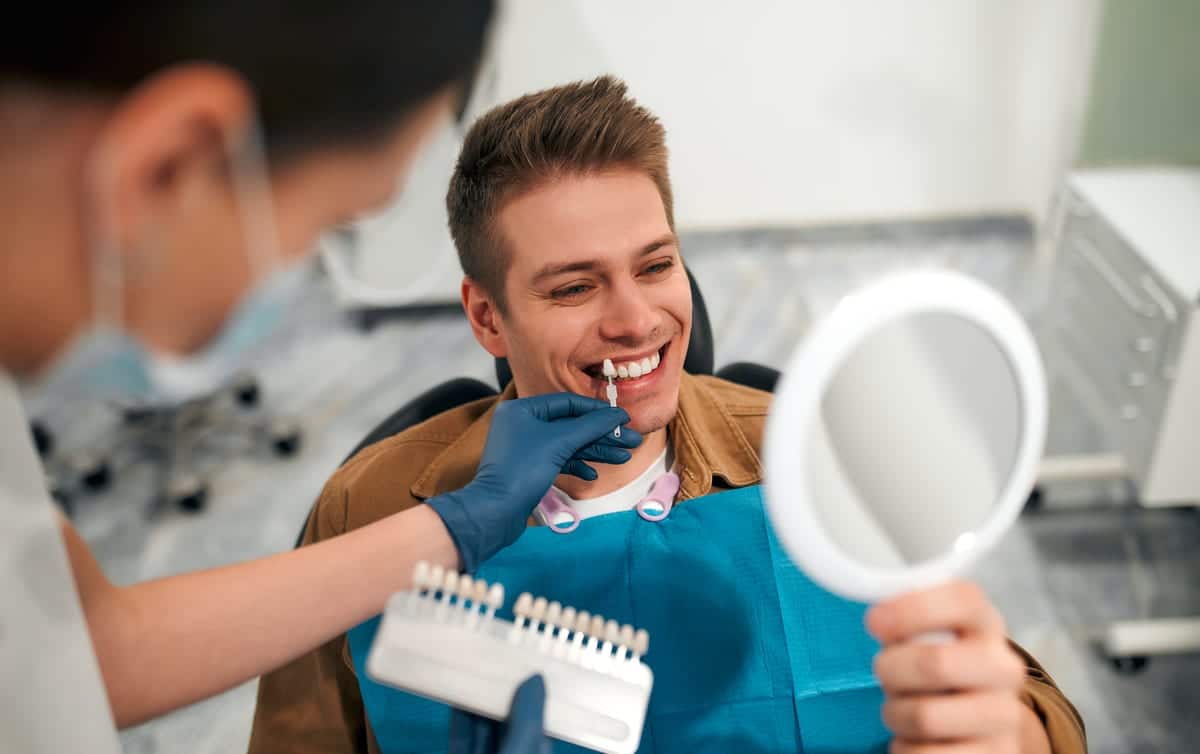
The process usually takes two to three appointments. During the first visit, Dr. Walker gently removes a small amount of enamel from the tooth surface. This makes room for the veneer to sit flush with surrounding teeth. A custom veneer is then fabricated and bonded in place during a follow-up visit.
Veneers are a permanent cosmetic treatment. Once enamel is removed, the tooth will always need a veneer or crown for protection. That’s why it’s so important to understand both the benefits and the limitations before moving forward.
What Dental Veneers in Spokane Valley Can Actually Fix
Veneers are genuinely effective for a wide range of cosmetic concerns. Here’s a clear look at the problems they solve well:
- Discoloration: Teeth stained from coffee, wine, tobacco, or certain medications often don’t respond to whitening treatments. Veneers completely cover the front surface, giving you a permanently bright appearance.
- Chipped or cracked teeth: Minor chips and surface cracks are ideal candidates for veneers. The shell covers the damage and restores a natural shape.
- Worn enamel: Teeth that look short or flat from grinding can be built back up with veneers to restore a fuller, more youthful smile.
- Gaps between teeth: Small spaces between front teeth can be closed using slightly wider veneers without braces or aligners.
- Mild misalignment: Teeth that are slightly crooked or uneven in shape can look straighter with veneers. This is sometimes called an
Frequently Asked Questions
Can dental veneers fix crooked teeth?
Veneers can improve the appearance of mildly crooked or rotated teeth by masking the misalignment with their custom shape and placement. However, they cannot actually straighten severely crooked teeth or correct bite problems—orthodontic treatment like braces or aligners is necessary for those cases.
Will veneers cover up cavities or tooth decay?
No, veneers are purely cosmetic and cannot treat underlying decay or cavities. Your dentist must remove any decay and fill the tooth before placing a veneer, as leaving decay untreated will cause problems beneath the restoration.
How long do dental veneers typically last?
Most porcelain veneers last between 10 to 15 years with proper care, though some can last longer. Composite resin veneers have a shorter lifespan of about 5 to 7 years and are more prone to staining and chipping compared to porcelain.
Can veneers fix a gummy smile or uneven gum line?
Veneers alone cannot correct a gummy smile or reshape the gums, as they only cover the tooth structure. You would need a gum contouring procedure or other periodontal treatment to address the gum line, which your dentist can discuss with you.
Are veneers reversible?
Because porcelain veneers require removing a small amount of tooth enamel for placement, the process is not fully reversible. However, your dentist can remove veneers if needed and may be able to place new ones or use other cosmetic options to restore the tooth’s appearance.