Stop Jaw Pain Without Surgery: 5 Self-Care Techniques That Actually Work


Stop Jaw Pain Without Surgery: 5 Self-Care Techniques That Actually Work
Jaw pain can make everyday life miserable. Eating, talking, and even sleeping become a struggle. The good news? You can stop jaw pain without surgery using five self-care techniques that actually work in Spokane — and Dr. Robert Walker at Cascade Dental Care – South Hill is here to guide you through them. Many patients dealing with TMJ disorder find real relief before ever needing advanced treatment.
TMJ (temporomandibular joint) disorder affects millions of Americans. The joint connects your jaw to your skull and controls nearly every mouth movement. When it becomes inflamed or misaligned, it causes clicking, aching, and tension that radiates through your face, neck, and head. Understanding how to manage this at home is a powerful first step.
What Makes Jaw Pain Worse — Habits to Break Right Now in Spokane
Before learning what helps, it helps to understand what hurts. Certain everyday habits quietly aggravate TMJ disorder without you realizing it. Breaking these habits can reduce pain faster than almost anything else.
Here are the most common behaviors that worsen jaw pain:
- Clenching or grinding your teeth, especially at night
- Chewing gum for long periods throughout the day
- Biting your nails or chewing on pens and pencils
- Resting your chin on your hand repeatedly
- Eating hard, crunchy, or chewy foods like bagels or beef jerky
- Holding tension in your jaw without noticing it
Many Spokane patients are shocked to discover how often they clench their jaw during stressful workdays. Awareness is half the battle. Once you identify these triggers, reducing them becomes much easier.
5 Self-Care Techniques That Actually Work for TMJ Relief
These five techniques are backed by dental and physical therapy research. They are safe, affordable, and effective for most people with mild to moderate TMJ symptoms. Consistency is key — practice them daily for the best results.
1. Apply Heat and Cold Strategically
Heat relaxes tight jaw muscles and improves blood flow. Apply a warm compress to the side of your face for 10 to 15 minutes. Do this two to three times per day during flare-ups.
Cold therapy works differently. It reduces inflammation and numbs sharp pain. Wrap an ice pack in a thin cloth and apply it for 10 minutes at a time. Alternate between heat and cold for maximum benefit when pain is severe.
2. Practice Gentle Jaw Exercises
Gentle stretching exercises can strengthen the muscles surrounding your TMJ. Place your tongue on the roof of your mouth, then slowly open and close your jaw. Repeat this 10 times per session.
Another helpful exercise is the goldfish stretch. Place one finger on your TMJ and another on your chin. Slowly drop your lower jaw, hold for a second, then close. This controlled movement retrains the joint over time.
3. Change Your Diet Temporarily
What you eat has a direct impact on jaw pain. A soft-food diet gives your jaw muscles a chance to rest and recover. This does not need to be permanent — just a short-term reset during painful periods.
Good soft-food options include:
- Smoothies, yogurt, and scrambled eggs
- Mashed potatoes, oatmeal, and soft-cooked vegetables
- Soups, hummus, and soft fish
- Bananas, avocados, and well-cooked pasta
Avoid anything that requires wide jaw opening or heavy chewing. Even biting into a large sandwich can set back your recovery significantly.
4. Manage Stress to Relax Your Jaw
Stress is one of the leading drivers of TMJ disorder. When you feel anxious or overwhelmed, your body holds tension in your jaw and shoulders. This creates a painful cycle that is hard to break without intentional effort.
Try progressive muscle relaxation before bed each night. Slowly tense and release each muscle group from your feet up to your face. Mindfulness meditation apps like Calm or Headspace also help Spokane patients reduce jaw-clenching triggered by daily stress.
5. Use a Night Guard
Nighttime teeth grinding — called bruxism — is a major cause of TMJ pain. A custom night guard protects your teeth and cushions the joint while you sleep. Over-the-counter options exist, but a custom-fitted guard from your dentist works far better.
Dr. Robert Walker can create a precise night guard that fits your bite perfectly. This small investment can dramatically reduce morning jaw pain and prevent long-term joint damage.
When Self-Care Is Not Enough — Signs You Need Professional Care in Spokane
Self-care works well for many people, but some TMJ cases need professional evaluation. Ignoring worsening symptoms can lead to bigger dental problems down the road. Know when it is time to call your dentist.
Seek professional care if you experience any of these warning signs:
- Jaw pain that lasts longer than a few weeks despite self-care
- A jaw that locks open or closed
- Severe difficulty chewing or opening your mouth
- Tooth damage, sensitivity, or cracking linked to grinding
- Headaches every morning upon waking
Sometimes tooth pain and jaw pain overlap in unexpected ways. Infected teeth can radiate pain to the jaw, mimicking TMJ symptoms. Root Canals Spokane can resolve deep tooth infections that contribute to jaw discomfort. A proper diagnosis from Dr. Robert Walker will clarify exactly what is happening.
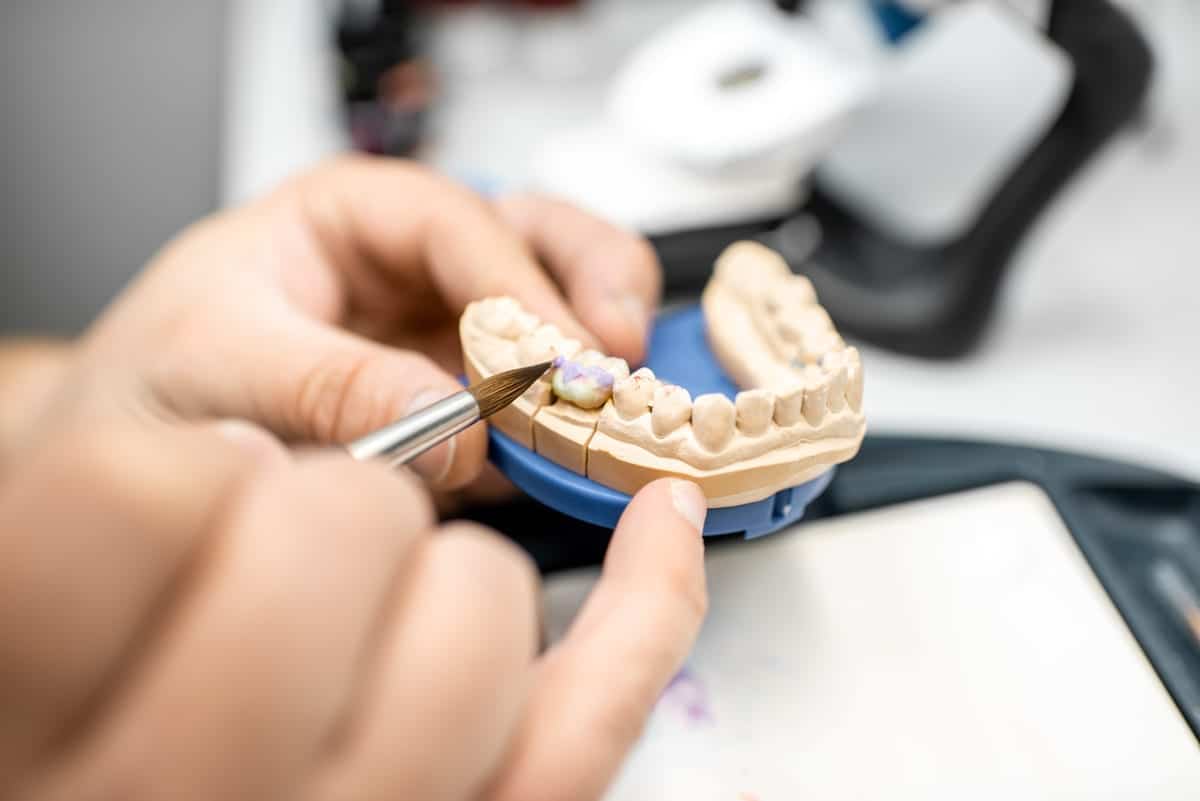
Dental damage from grinding may also need restoration. Worn or cracked teeth sometimes require Dental Crowns Spokane to restore function and protect the tooth structure. Addressing these issues early prevents more complex treatment later.
Building a Long-Term TMJ Management Plan With Your Dentist
Self-care is a powerful starting point, but a personalized plan helps you stay pain-free long-term. Dr. Robert Walker works with Spokane patients to identify the root causes of their jaw pain. This means looking beyond just the joint itself.
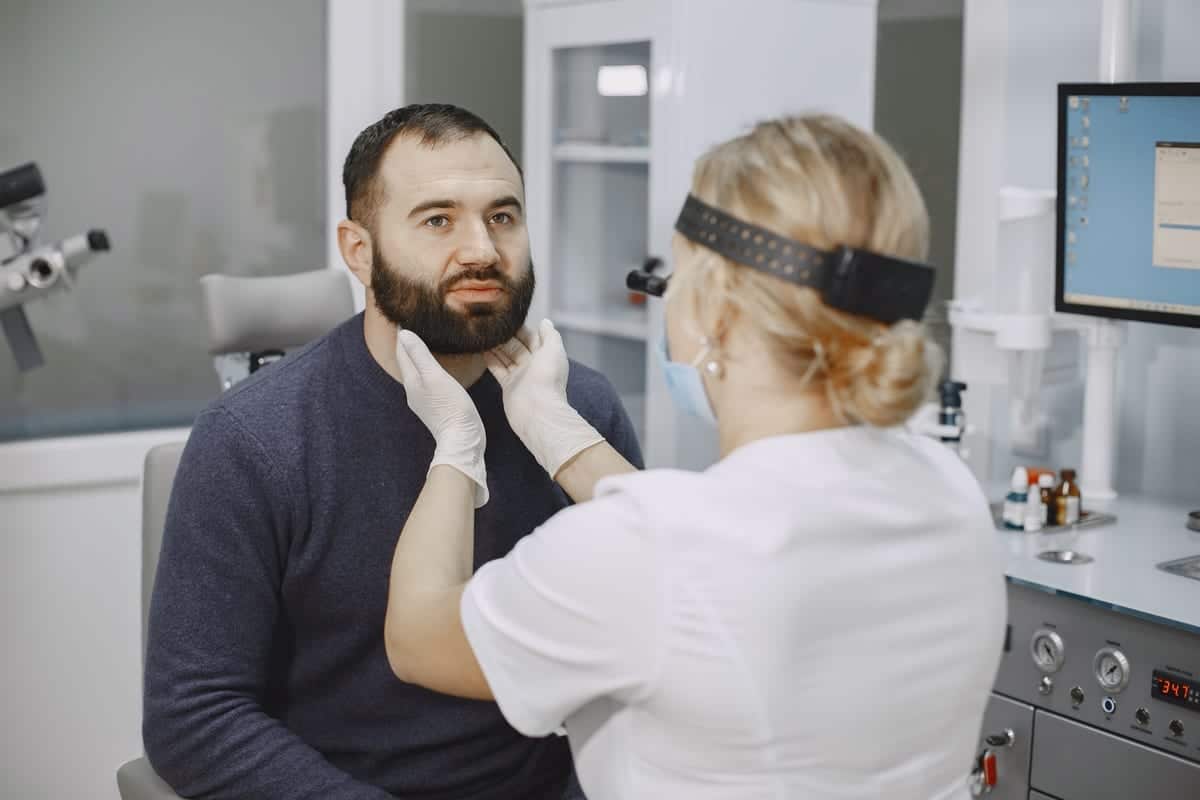
A comprehensive TMJ assessment may include reviewing your bite alignment, checking for signs of grinding, and discussing your stress levels. From there, your dentist can recommend the right combination of home care, appliances, and professional treatments.
Many patients in Spokane who commit to these self-care strategies see significant improvement within four to six weeks. The key is consistency and open communication with your dental team. You do not have to manage jaw pain alone.
Frequently Asked Questions
How long does it take for TMJ self-care techniques to work?
Most patients begin to notice improvement within two to four weeks of consistent self-care. Results vary depending on the severity of the condition and how well you avoid aggravating habits. Daily practice of jaw exercises, stress management, and dietary changes produces the best outcomes over time.
Can stress really cause jaw pain?
Yes, stress is one of the most common triggers of TMJ disorder. When you are stressed, your body tenses muscles unconsciously — including the jaw. This leads to clenching and grinding that inflames the temporomandibular joint and surrounding muscles. Managing stress through relaxation techniques can significantly reduce jaw pain.
Is it safe to use both heat and cold on jaw pain?
Alternating between heat and cold is generally safe and effective for TMJ relief. Use heat to relax tight muscles and cold to reduce inflammation. Always wrap ice packs in a cloth to protect your skin, and limit each application to 10 to 15 minutes. Stop use if either causes increased discomfort.
Do I need a custom night guard or will a store-bought one work?
Custom night guards from your dentist offer a much better fit and more effective protection than over-the-counter versions. Store-bought guards can be bulky and may not align with your specific bite, sometimes making symptoms worse. A custom guard is crafted from an impression of your teeth and is far more comfortable for nightly use.
When should I see a dentist for jaw pain instead of treating it at home?
You should contact a dentist if your jaw pain lasts more than two to three weeks, worsens despite self-care, or comes with jaw locking, severe headaches, or visible tooth damage. These signs suggest your condition may need professional evaluation and treatment beyond what home care can provide.
At Cascade Dental Care – South Hill, Dr. Robert Walker is committed to helping Spokane patients find lasting relief from jaw pain — without jumping straight to surgery. If your symptoms persist or you want guidance on building a personalized care plan, we are here to help. Book Now to schedule your appointment with our team.