Root Canal vs. Extraction: Which Option Saves Your Tooth and Money


Root Canal vs. Extraction: Which Option Saves Your Tooth and Money
Facing a severely damaged or infected tooth is stressful. Many Spokane patients ask the same question: should you save the tooth or remove it? Understanding Root Canal vs. Extraction: Which Option Saves Your Tooth and Money in Spokane can help you make a confident, informed decision. Dr. Robert Walker at Cascade Dental Care – North Spokane guides patients through this exact choice every day.
Understanding Root Canal Treatment in Spokane
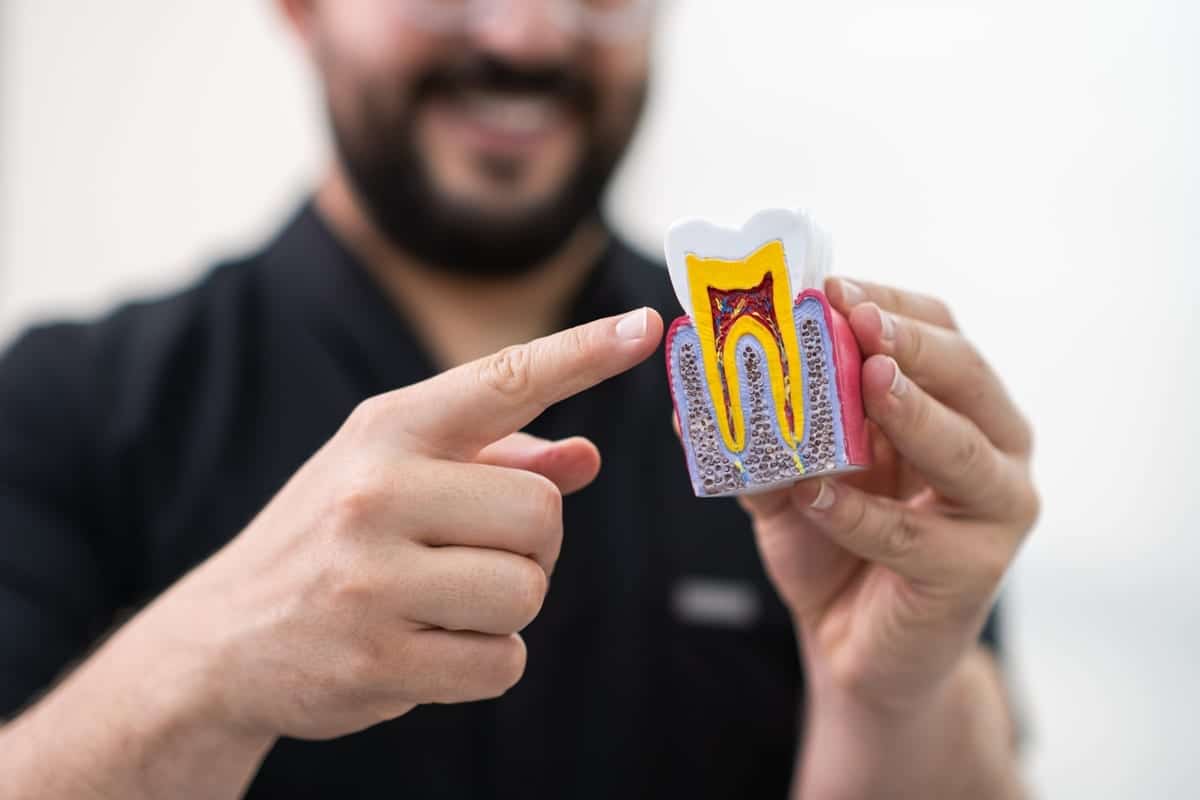
A root canal removes infected pulp tissue from inside your tooth. The tooth is then cleaned, sealed, and typically capped with a crown. This preserves the natural tooth structure while eliminating the infection. Most patients are surprised to learn the procedure is no more uncomfortable than a standard filling.
Root Canals Spokane are one of the most effective ways to save a tooth that might otherwise need removal. The goal is always to keep your natural tooth whenever possible. Natural teeth function better than any artificial replacement. They also help maintain healthy jawbone density over time.
Here is what you can generally expect during root canal treatment:
- Local anesthesia is applied to keep you comfortable throughout
- The dentist removes infected pulp from inside the tooth
- The canals are carefully cleaned and shaped
- The tooth is sealed to prevent future infection
- A dental crown is usually placed to restore full function
What Happens When You Choose Tooth Extraction Instead
Extraction means the tooth is completely removed from the socket. It is sometimes the only option when a tooth is too damaged to save. However, extraction is not a simple fix — it creates a gap that needs to be addressed. Leaving that gap untreated leads to serious long-term problems.
When a tooth is missing, neighboring teeth begin to shift toward the empty space. This causes bite misalignment and can increase your risk of gum disease. Jawbone loss also begins within months of losing a tooth. These changes can affect both your appearance and your chewing ability.
Replacing an extracted tooth typically requires one of these options:
- Dental implant — the most natural-looking and durable solution
- Dental bridge — anchors an artificial tooth between two crowns
- Partial denture — a removable option for one or more missing teeth
Each replacement option adds cost and treatment time beyond the extraction itself. That is why extraction is rarely the cheaper long-term choice it appears to be upfront.
Root Canal vs. Extraction: Comparing Costs in Spokane
Upfront, extraction often costs less than root canal treatment. However, that comparison is misleading without factoring in replacement costs. A root canal plus a Dental Crowns Spokane procedure restores full tooth function in two visits. That combined cost is frequently less than an extraction followed by a dental implant.
Dental implants in Spokane can range significantly in price depending on individual circumstances. Bridges require reshaping healthy neighboring teeth, which carries its own long-term costs. Dentures require periodic replacement and maintenance over the years. When you add up the full picture, saving your natural tooth is usually the more cost-effective path.
Here is a general cost comparison to consider:
- Root canal + crown: Restores the tooth in one treatment plan
- Extraction alone: Lower upfront cost but leaves a gap requiring attention
- Extraction + implant: Often the most expensive combined total
- Extraction + bridge: Involves altering adjacent healthy teeth
Dr. Walker helps each patient understand the full financial picture before making any decision. Transparent, honest guidance is a priority at Cascade Dental Care – North Spokane.
When Is Extraction Actually the Right Choice?
Root canal treatment is not always possible or appropriate. Some teeth are simply too damaged to save, even with the best care. In those cases, extraction is genuinely the right clinical decision. Holding onto a non-restorable tooth can cause more harm than removing it.
Extraction may be the better option when:
- The tooth has severe structural damage that a crown cannot repair
- The infection has spread too extensively through the root
- The tooth has advanced periodontal disease affecting the bone
- The tooth is a wisdom tooth causing crowding or recurrent infections
Your dentist will take X-rays and evaluate the tooth thoroughly before recommending extraction. The recommendation is always based on clinical evidence — not convenience. If saving the tooth is possible, that will be the first recommendation at Cascade Dental Care.
Recovery: What to Expect After Each Procedure
Recovery from a root canal is typically mild. Most patients return to normal activities the next day. Some tenderness around the treated area is common for a few days. Over-the-counter pain relievers usually manage any discomfort effectively.
Extraction recovery varies depending on the complexity of the removal. Simple extractions heal fairly quickly, usually within one to two weeks. Surgical extractions — such as impacted wisdom teeth — take longer. Patients must also follow care instructions to prevent a painful condition called dry socket.
One key difference is long-term recovery. After a root canal, your tooth is still in place and functioning. After an extraction, you enter a second recovery phase when you receive your replacement tooth. That additional healing time is something many patients do not anticipate initially.
Making the Right Decision for Your Smile
The best choice between root canal and extraction depends on your specific tooth, your overall oral health, and your long-term goals. There is no single answer that fits every patient. That is why a thorough clinical evaluation is essential before any decision is made. Dr. Robert Walker takes time to review every option with you clearly and honestly.
Spokane patients deserve personalized care that puts their health first. At Cascade Dental Care – North Spokane, the focus is always on preserving your natural teeth whenever clinically appropriate. Saving your tooth protects your smile, your bone structure, and your overall health. When extraction is necessary, the team helps you plan the best replacement option for your lifestyle and budget.
Do not wait if you are experiencing tooth pain, swelling, or sensitivity. Early treatment almost always leads to better outcomes and lower costs. Reach out to Cascade Dental Care – North Spokane to discuss your options with a trusted, experienced team. Book Now to schedule your appointment with our team.
Frequently Asked Questions
Is a root canal more painful than a tooth extraction?
Most patients find that a root canal is no more painful than a standard filling. Local anesthesia keeps you comfortable throughout the procedure. Extraction can also be done comfortably, but surgical extractions may involve more post-procedure soreness. Many patients actually report that root canal treatment relieves the pain they were already experiencing from infection.
How long does a root canal take compared to an extraction?
A straightforward root canal typically takes one to two appointments, each lasting about 60 to 90 minutes. A simple extraction can often be completed in under an hour. However, the follow-up care after extraction — including tooth replacement — adds significant time to the overall treatment plan. Root canal plus crown placement usually wraps up the entire process in two visits.
Will I need a crown after a root canal?
In most cases, yes. A dental crown is recommended after root canal treatment to protect the tooth and restore its full chewing function. Without a crown, the treated tooth can become brittle and at risk of fracturing. Your dentist will advise you specifically based on which tooth was treated and its current condition.
What happens if I just leave an infected tooth untreated?
An untreated infected tooth will not heal on its own. The infection can spread to surrounding teeth, gum tissue, and even the jawbone. In serious cases, dental infections can affect overall health. Seeking treatment promptly — whether that is a root canal or extraction — is always safer than waiting.
Can any tooth be saved with a root canal?
Not every tooth is a candidate for root canal treatment. Teeth with severe structural damage, extensive bone loss, or non-restorable fractures may need to be extracted instead. Dr. Robert Walker performs a thorough evaluation, including X-rays, to determine whether root canal treatment is clinically viable for your specific situation before making any recommendation.