Do Dental Bridges Really Last 15 Years? Here’s What Extends Yours


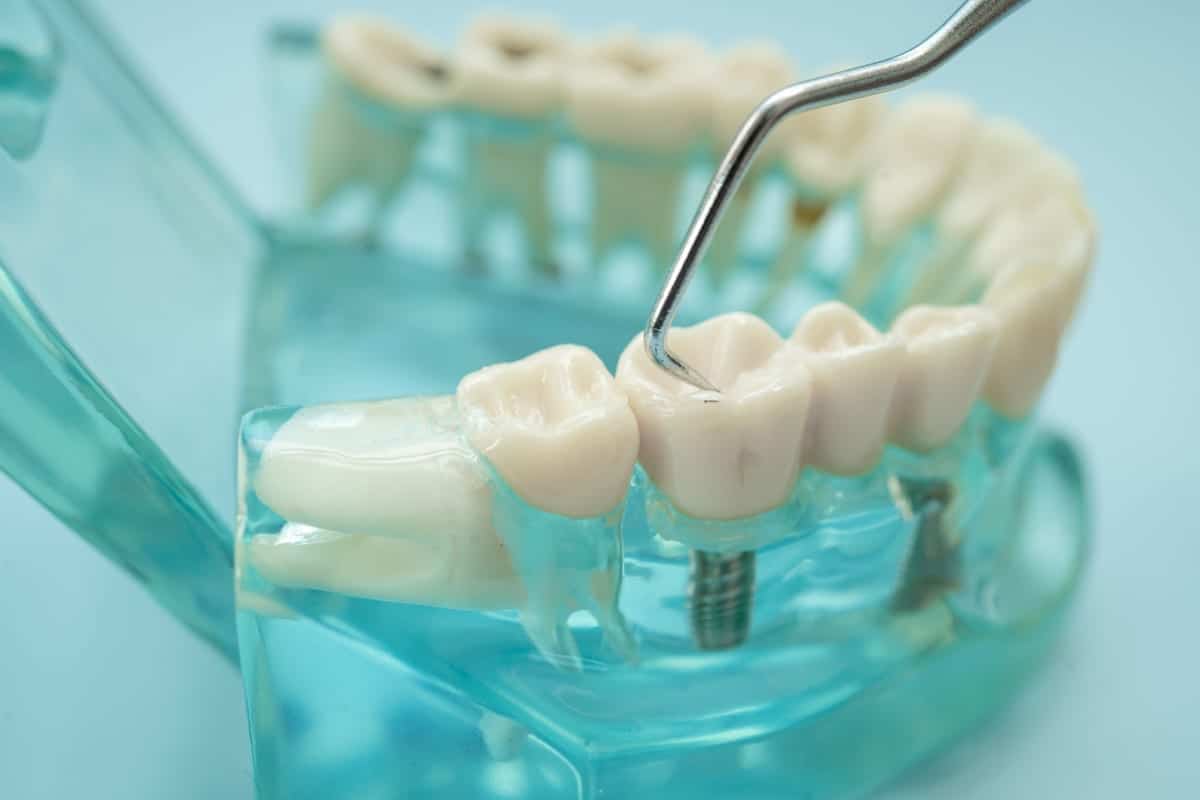
Do Dental Bridges Really Last 15 Years? Here’s What Extends Yours
Many Spokane patients ask: do dental bridges really last 15 years? The honest answer is — they can, and often longer. But lifespan depends heavily on the choices you make every day. Understanding what extends yours in Spokane starts with knowing how bridges work and what puts them at risk.
Dr. Robert Walker at Cascade Dental Care – South Hill sees patients throughout Spokane who want durable, long-lasting tooth replacement. This guide explains exactly what affects your bridge’s longevity and how to protect your investment for years to come.
How Long Do Dental Bridges Actually Last in Spokane?
The clinical average for dental bridges is 10 to 15 years. Many well-maintained bridges last 20 years or more. The range is wide because patient habits vary dramatically.
A bridge anchored to healthy, strong abutment teeth has a significant head start. When the supporting teeth are compromised, the whole structure becomes vulnerable. That is why your overall oral health matters just as much as the bridge itself.
Porcelain-fused-to-metal bridges and all-ceramic bridges respond differently to wear. Your dentist will recommend the right material based on the location of your missing tooth and your bite forces. Front teeth face different pressure than molars, so material choice directly impacts durability.
What Shortens a Dental Bridge’s Lifespan
Several habits and conditions can cut your bridge’s life significantly shorter than 15 years. Being aware of these risks lets you take action before damage occurs.
- Poor oral hygiene: Plaque builds up under and around the bridge, causing decay in the abutment teeth.
- Grinding or clenching (bruxism): Excess force fractures porcelain and loosens cement.
- Chewing hard foods: Ice, hard candy, and tough meats place stress on the bridge structure.
- Skipping dental checkups: Small problems go undetected until they become expensive failures.
- Untreated gum disease: Diseased gum tissue and bone loss destabilize the anchor teeth.
- Using teeth as tools: Opening packages or biting nails chips porcelain quickly.
In Spokane’s colder months, some patients clench more due to stress and cold temperatures. Dr. Walker often recommends night guards for patients who show signs of grinding. Catching this early protects both natural teeth and restorations.
What Extends Your Bridge’s Lifespan — Proven Strategies
The good news is that most longevity factors are within your control. Consistent, simple habits make an enormous difference over time.
- Floss daily under the bridge: Use a floss threader or water flosser to clean beneath the pontic every day.
- Brush twice daily with a soft-bristle brush: Gentle, thorough brushing protects the gumline around abutment teeth.
- Attend biannual checkups: Professional cleanings remove tartar that flossing cannot reach.
- Wear a night guard if you grind: A custom guard from your dentist absorbs bite forces overnight.
- Avoid hard and sticky foods: Caramel, hard pretzels, and similar foods stress the bridge unnecessarily.
- Address gum issues promptly: Early treatment of gum disease protects the foundation of your bridge.
Patients who follow these steps consistently report bridges lasting well beyond the 15-year benchmark. It is not complicated — it is simply consistent. Dr. Walker’s team at Cascade Dental Care will show you exactly how to clean your specific bridge design.
The Role of Supporting Teeth and Surrounding Oral Health
A dental bridge does not exist in isolation. It depends entirely on the abutment teeth — the natural teeth on either side of the gap. Keeping those teeth healthy is the single most important factor in bridge longevity.
If an abutment tooth develops decay, the bridge may need full replacement. Decay beneath a bridge crown is unfortunately common when cleaning is neglected. This is why Dental Crowns Spokane patients receive detailed hygiene instructions tailored to their restoration.
Sometimes an abutment tooth requires a root canal later in life. This does not automatically mean the bridge fails. Root Canals Spokane performed on a crowned abutment tooth can often save the tooth — and preserve your bridge. Early intervention is key.
Gum health matters just as much as tooth health. Receding gums expose the margins of your bridge crowns to bacteria. Routine periodontal care keeps gum tissue stable and protective around the entire restoration.
When to Consider Replacing Your Bridge
Even a well-maintained bridge will eventually need replacement. Knowing the warning signs helps you act before you lose the supporting teeth entirely.
Watch for these signals that your bridge may need professional evaluation:
- Sensitivity or pain when biting down
- Visible gaps between the bridge and gum line
- Loose or rocking sensation when chewing
- Chipped or cracked porcelain
- Persistent bad breath not resolved by brushing
None of these symptoms mean you automatically need a new bridge. Sometimes a recementation or minor repair is all that is needed. Prompt evaluation at Cascade Dental Care gives Dr. Walker the chance to catch problems while solutions are still straightforward.
For patients whose bridges are failing due to bone loss, dental implants may be a better long-term option. Dr. Walker can walk you through both solutions during a consultation. Every patient’s situation is unique, and Spokane patients deserve a personalized plan.
Caring for Your Bridge Through Every Spokane Season
Spokane’s active lifestyle and seasonal changes can affect your oral health in subtle ways. Winter stress and dry indoor air contribute to clenching and dry mouth. Summer sports and outdoor activities increase the risk of dental trauma.
Dr. Walker recommends that bridge patients carry a mouthguard for contact sports year-round. A single impact can chip or dislodge a bridge that would otherwise last decades. Protecting your smile on the slopes, trails, and courts is part of protecting your restoration.
Staying hydrated also matters. Saliva is your mouth’s natural defense system. Dry mouth accelerates decay around bridge margins. Drinking plenty of water and speaking with Dr. Walker about dry mouth management keeps your bridge environment healthy.
Conclusion: Your Bridge Can Last — With the Right Support
So, do dental bridges really last 15 years? Absolutely — and with proper care, many last far longer. The difference between a bridge that fails at 8 years and one that thrives at 20 years is consistent daily hygiene, regular professional checkups, and prompt attention to any warning signs. At Cascade Dental Care – South Hill, Dr. Robert Walker and his team are committed to helping Spokane patients protect their smiles for the long term. Book Now to schedule your appointment with our team.
Frequently Asked Questions
How long does a dental bridge last on average?
Most dental bridges last between 10 and 15 years. With excellent oral hygiene and regular dental checkups, many bridges remain functional for 20 years or more. The key factors are the health of the supporting teeth and daily cleaning habits.
What is the most common reason dental bridges fail early?
Decay in the abutment teeth is the most common cause of early bridge failure. Plaque that collects under and around the bridge can cause cavities in the anchoring teeth. Daily flossing under the bridge and professional cleanings prevent this from happening.
Can I get a root canal on a tooth that supports my bridge?
Yes. A root canal can often be performed through an existing crown without removing the bridge. Early treatment of an infected abutment tooth can preserve both the tooth and the bridge. Dr. Walker evaluates each case individually to find the least invasive solution.
Is a dental bridge or a dental implant a better long-term choice?
Both are excellent options depending on your oral health, bone density, and personal goals. Implants do not rely on adjacent teeth for support and can last a lifetime with proper care. Dr. Walker discusses both options during consultations so patients can make an informed decision.
How should I clean under my dental bridge?
The best tools for cleaning under a bridge are floss threaders, super floss, or a water flosser. These let you remove plaque and food debris from beneath the pontic — the artificial tooth — every day. Your hygienist at Cascade Dental Care can demonstrate the exact technique for your specific bridge.