Dentures Fitting Issues in Spokane Valley, WA



Dentures Fitting Issues in Spokane Valley, WA
If you wear dentures, you may have noticed they feel looser than they used to. This is a very common experience for patients in Opportunity, WA. Understanding why your dentures stop fitting and what to do about it in Opportunity starts with one key concept: bone resorption. At Cascade Dental Care – Spokane Valley, Dr. Robert Walker helps patients navigate this challenge every day.
Why Dentures Lose Their Fit Over Time
When natural teeth are removed, the jawbone no longer receives the stimulation it needs. Without that stimulation, the bone gradually shrinks — a process called resorption. This is completely natural, but it does change the shape of your jaw significantly over time.
Your dentures were custom-made to fit your jaw at a specific point in time. As your jawbone shrinks and changes shape, the dentures no longer match the contours of your mouth. The result is a loose, uncomfortable fit that can affect your ability to eat, speak, and smile with confidence.
Research shows that patients can lose up to 25% of their jawbone height in the first year after tooth loss alone. The resorption process continues at a slower rate for years afterward. This means even well-made dentures will eventually need attention.
- Bone resorption begins immediately after tooth extraction
- The jaw ridge can shrink significantly within the first 12 months
- Changes continue gradually over many years
- Ill-fitting dentures can accelerate gum tissue changes
- Regular dental check-ups help catch fit issues early
Signs Your Dentures in Opportunity No Longer Fit Properly
Many patients in Opportunity wait too long before seeking help. Recognizing the warning signs early makes treatment easier and more comfortable. You should not simply accept a poor fit as normal.
Here are common signs that your dentures need attention:
- Dentures slip or shift when you eat or talk
- Sore spots, irritation, or sores on your gums
- Difficulty chewing foods you used to manage easily
- Clicking or unusual noises when your dentures move
- Needing more denture adhesive than you used to
- Changes in your facial appearance or a sunken look
If you are experiencing any of these symptoms, it is time to visit Dr. Robert Walker at Cascade Dental Care – Spokane Valley. Ignoring fit problems can lead to gum damage and further bone loss. Early action protects your long-term oral health.
Your Options: Relining, Rebasing, and Replacement
Once Dr. Walker confirms your dentures no longer fit correctly, there are three main treatment paths. The right option depends on the condition of your dentures and how much your jaw has changed. Each solution addresses the fit problem in a different way.
Relining is the most common and least invasive option. A new layer of material is added to the denture base to match your current jaw shape. This can often be done in-office and restores a snug, comfortable fit quickly.
Rebasing is similar to relining but more extensive. The entire base of the denture is replaced while keeping the existing teeth intact. This is a good choice when the base has become worn or damaged over time.
Replacement becomes necessary when dentures are too old or too worn to be corrected. Most full dentures need replacement every five to eight years. A completely new set is crafted to fit your current jaw structure precisely.
In some cases, patients also explore dental implant-supported options. Implants integrate with the jawbone and help slow down bone resorption. Dr. Walker can discuss whether this is a suitable path for your situation.
Protecting Your Oral Health Beyond Dentures
Caring for your overall oral health matters even when you wear full dentures. Gum health directly affects how well your dentures fit and feel. Regular dental visits at Cascade Dental Care – Spokane Valley help monitor both your gums and your bone levels.
Sometimes patients with dentures also have remaining natural teeth that need care. Issues like decay or infection in remaining teeth may require treatments such as Root Canals to preserve those teeth. Keeping natural teeth healthy can also support better denture stability.
For patients who have a mix of natural teeth and dentures, restorations like Dental Crowns may help protect compromised teeth and maintain bite function. Dr. Walker takes a comprehensive approach to your full-mouth health. Every part of your oral health connects to how comfortable and functional your dentures feel.
Daily care habits also play a major role. Clean your dentures every day, soak them overnight, and rinse your gums thoroughly. Good hygiene reduces inflammation and keeps the soft tissue healthy for better denture support.
What to Expect at Your Denture Evaluation
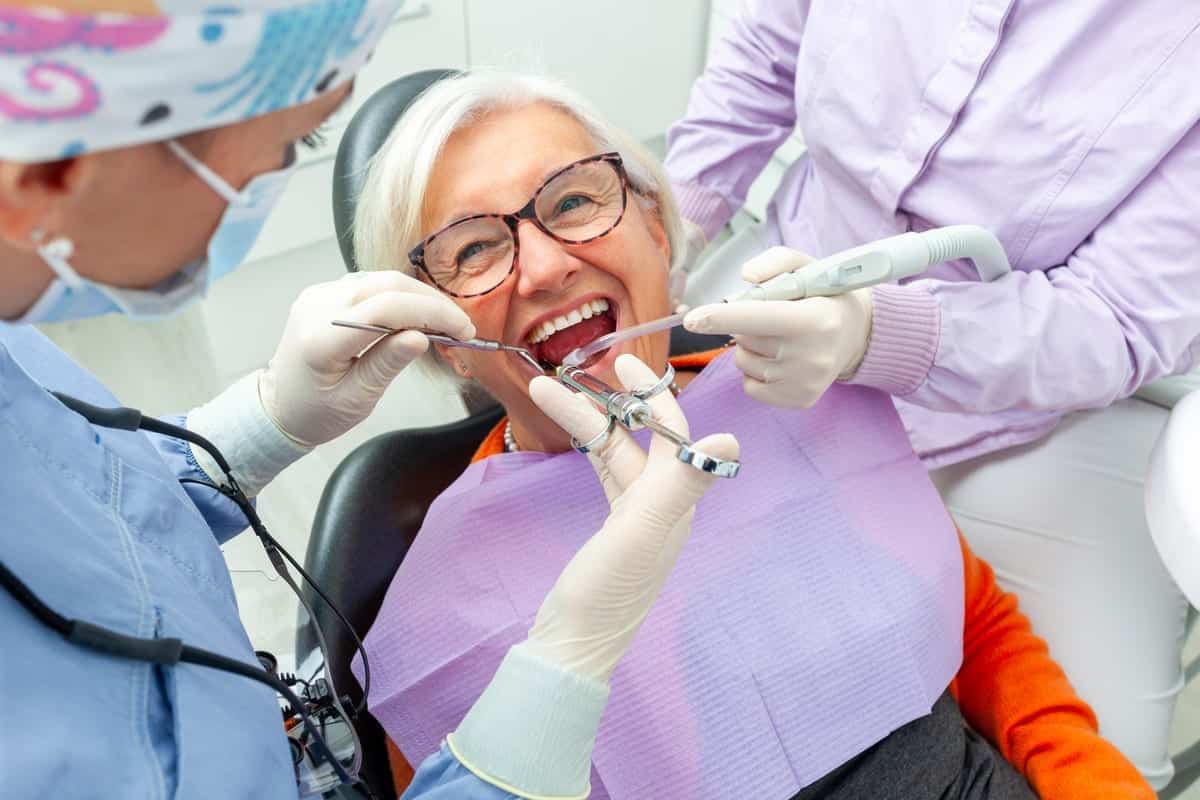
When you visit Cascade Dental Care – Spokane Valley for a denture evaluation, Dr. Walker will examine your gum tissue and assess your current bone levels. He will check how your dentures fit, move, and make contact during biting. This thorough assessment guides the best treatment recommendation for you.
The process is comfortable and straightforward. Dr. Walker and the team are committed to making you feel at ease throughout every visit. No question is too small — your comfort and confidence are the priority.
After your evaluation, you will receive a clear explanation of your options. Dr. Walker will outline what each treatment involves, how long it takes, and what results you can expect. You will never feel rushed or confused about your care plan.
Patients in Opportunity, WA have access to experienced, compassionate denture care right in Spokane Valley. You do not have to live with uncomfortable, ill-fitting dentures. Help is close by and available to you now.
If your dentures have been feeling loose or uncomfortable, do not wait for the problem to get worse. Dr. Robert Walker and the team at Cascade Dental Care – Spokane Valley are here to help you find a comfortable, lasting solution. Book Now to schedule your appointment with our team.
Frequently Asked Questions
How often should dentures be relined or replaced?
Most dentures need relining every one to two years as the jaw changes shape. Full replacement is typically recommended every five to eight years. Your dentist will assess your specific situation at regular check-up appointments.
Is bone resorption preventable after tooth loss?
Bone resorption cannot be completely stopped after tooth loss, but it can be slowed. Dental implants provide jawbone stimulation similar to natural tooth roots. Regular dental visits also help monitor and manage the rate of bone change over time.
Can I use denture adhesive to fix a loose fit?
Denture adhesive can provide temporary comfort, but it is not a long-term solution. Relying on adhesive for an extended period can mask fit problems that are worsening. It is best to see your dentist as soon as looseness becomes noticeable.
What happens if I ignore ill-fitting dentures?
Ignoring poor-fitting dentures can cause sore spots, gum irritation, and further bone loss. It can also affect your ability to chew properly, which may impact nutrition. Early treatment prevents more serious and costly problems down the road.
How do I know if I need relining or full replacement?
Dr. Walker will evaluate the condition of your current dentures and your jaw structure to determine the best option. Relining works well when dentures are still structurally sound. If the denture base is worn, cracked, or the fit is severely compromised, full replacement is usually the better choice.