Cosmetic Dentistry in Spokane, WA



Cosmetic Dentistry in Spokane, WA
Chipped teeth, gaps, or stains — finding your perfect cosmetic fix in Spokane starts with understanding your options. Many patients feel overwhelmed choosing between veneers, bonding, whitening, and contouring. Each treatment solves different problems. Knowing which one fits your concern saves time, money, and frustration.
At Cascade Dental Care – North Spokane, Dr. Robert Walker helps patients navigate these choices every day. This guide breaks down four popular cosmetic treatments. You will learn which option works best for chips, gaps, discoloration, and worn edges. Let’s find the right solution for your smile.
Chipped Teeth: Which Cosmetic Fix Works Best in Spokane?
A chipped tooth is one of the most common cosmetic concerns we see. The good news is that several treatments can restore it beautifully. Your best option depends on the size of the chip and its location in your mouth.
Dental bonding is usually the first choice for small chips. A tooth-colored resin is applied directly to the damaged area. It is sculpted, hardened, and polished in a single visit. Bonding is affordable, fast, and looks completely natural.
For larger chips or badly damaged teeth, Dental Crowns offer superior protection and aesthetics. A crown covers the entire tooth, restoring its shape and strength. This is especially important for chips that affect biting function.
Veneers work well for chips on front teeth where appearance matters most. They are thin porcelain shells that bond to the tooth surface. Veneers also address other issues like discoloration at the same time.
- Small chips → dental bonding (one visit, budget-friendly)
- Large or structural chips → dental crowns (full protection)
- Front-tooth chips with color concerns → porcelain veneers
- Minor surface irregularities → tooth contouring (no material added)
Gaps Between Teeth: Closing the Space the Right Way
A gap between teeth — especially the two front teeth — is called a diastema. It is very common and entirely treatable. Your ideal fix depends on the gap’s size and your overall bite.
Small gaps respond well to dental bonding. Dr. Walker adds resin to the sides of each tooth to close the space. The result looks seamless and can be completed in one appointment. Bonding works best when the gap is minor.
Larger gaps often call for porcelain veneers. Veneers are placed on multiple teeth to redistribute spacing evenly. This creates a balanced, natural-looking result. Veneers also improve color and shape at the same time.
Sometimes a gap is linked to alignment issues across the whole mouth. In those cases, Invisalign may be the most effective long-term solution. Clear aligners move teeth into proper position over time. This treats the root cause rather than masking the symptom.
- Minor gap → bonding for a quick, affordable fix
- Moderate gap on front teeth → porcelain veneers for a complete refresh
- Multiple spacing issues → Invisalign for whole-mouth alignment
- Gap combined with crowding → consult with Dr. Walker for a custom plan
Stained or Discolored Teeth: Matching the Right Whitening Solution
Not all stains respond to the same treatment. Understanding the type of discoloration you have is key. Surface stains and deep discoloration require very different approaches.
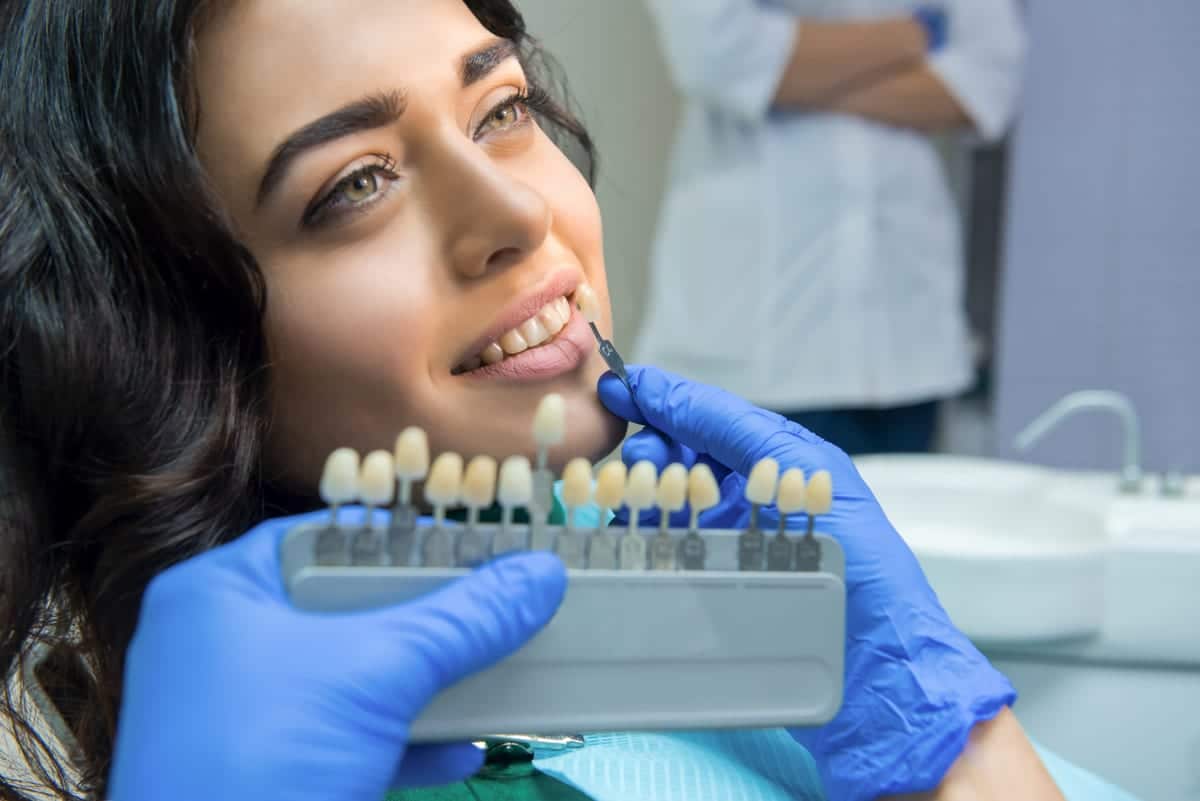
Professional teeth whitening tackles surface stains caused by coffee, tea, wine, and tobacco. It is safe, fast, and significantly more powerful than over-the-counter products. Most patients see dramatic results after just one in-office session. This is the simplest cosmetic upgrade available.
Some stains go deeper into the tooth structure. These are called intrinsic stains and may result from certain medications, fluorosis, or old injuries. Whitening treatments do not reach these stains. Veneers or bonding are the better solution here.
Porcelain veneers are ideal for teeth that are deeply discolored or unresponsive to whitening. They cover the front surface of the tooth completely. The color is permanently set and will not stain like natural enamel. Many Spokane patients choose veneers for a lasting, bright result.
Occasionally, a single dark tooth signals internal damage or infection. In those cases, Root Canals may be necessary before any cosmetic work begins. Addressing underlying health issues always comes first. Dr. Walker evaluates each situation carefully before recommending any cosmetic fix.
Worn or Uneven Edges: Reshaping for a Balanced Smile
Teeth wear down over time from grinding, acidic foods, or natural aging. This creates rough, uneven, or jagged edges along the biting surface. Several cosmetic options can restore a smooth, balanced appearance.
Tooth contouring — also called enameloplasty — gently reshapes the enamel. Dr. Walker removes tiny amounts of tooth surface to smooth rough edges. This is a painless, in-office procedure with immediate results. It works best when the wear is minor and the enamel is still thick enough.
For more significant wear, bonding can rebuild what has been lost. Resin material is added to the worn edges and shaped to match your natural tooth. This restores both appearance and function. Bonding is reversible and requires no tooth removal.
Severely worn teeth may need porcelain veneers or crowns for full restoration. These provide lasting durability against future wear. They also improve the overall look of the smile dramatically. Dr. Walker will assess your bite and enamel thickness before recommending the right path.
How Dr. Walker Helps You Choose at Cascade Dental Care
Every smile is unique, and so is every treatment plan. Dr. Robert Walker takes time to listen to your concerns during a comprehensive cosmetic consultation. He examines your teeth, gums, and bite before making any recommendations. You will never feel rushed or pressured.
Cascade Dental Care – North Spokane offers all the treatments described in this guide. From simple bonding to full smile makeovers, the team is equipped to help. Spokane patients consistently appreciate the educational, patient-first approach here. The goal is always to give you the information you need to decide confidently.
Here is a quick summary to help you start thinking about your needs before your visit:
- Chips → bonding for small damage, crowns or veneers for larger issues
- Gaps → bonding for minor spacing, veneers or Invisalign for bigger gaps
- Stains → whitening for surface discoloration, veneers for deep or stubborn stains
- Worn edges → contouring for minor wear, bonding or crowns for significant damage
You do not have to figure this out alone. A cosmetic consultation with Dr. Walker gives you a clear, personalized answer. You will leave knowing exactly what your smile needs and why. Book Now to schedule your appointment with our team.
Frequently Asked Questions
How do I know if I need veneers or just bonding?
Bonding works well for small, isolated chips or minor gaps. Veneers are a better choice when multiple teeth need improvement or when you want a longer-lasting result. Dr. Walker will examine your teeth and discuss both options during your consultation.
Is teeth whitening safe for sensitive teeth?
Professional whitening at Cascade Dental Care is designed to minimize sensitivity. Dr. Walker adjusts treatment strength based on your individual needs. Many patients with mild sensitivity complete whitening with no issues at all.
How long does dental bonding last?
Dental bonding typically lasts five to seven years with proper care. Avoiding habits like nail-biting or chewing hard objects helps extend its lifespan. Bonding can also be repaired or replaced easily if it chips over time.
Can cosmetic dentistry fix a gap and discoloration at the same time?
Yes — porcelain veneers are especially effective at addressing multiple concerns in one treatment. They close gaps, brighten color, and improve tooth shape simultaneously. This makes them a popular all-in-one solution for Spokane patients seeking a complete smile transformation.
Does tooth contouring hurt?
Tooth contouring is generally painless and does not require anesthesia. Dr. Walker removes only a tiny layer of enamel to smooth rough or uneven edges. Most patients feel nothing more than mild pressure during the procedure.