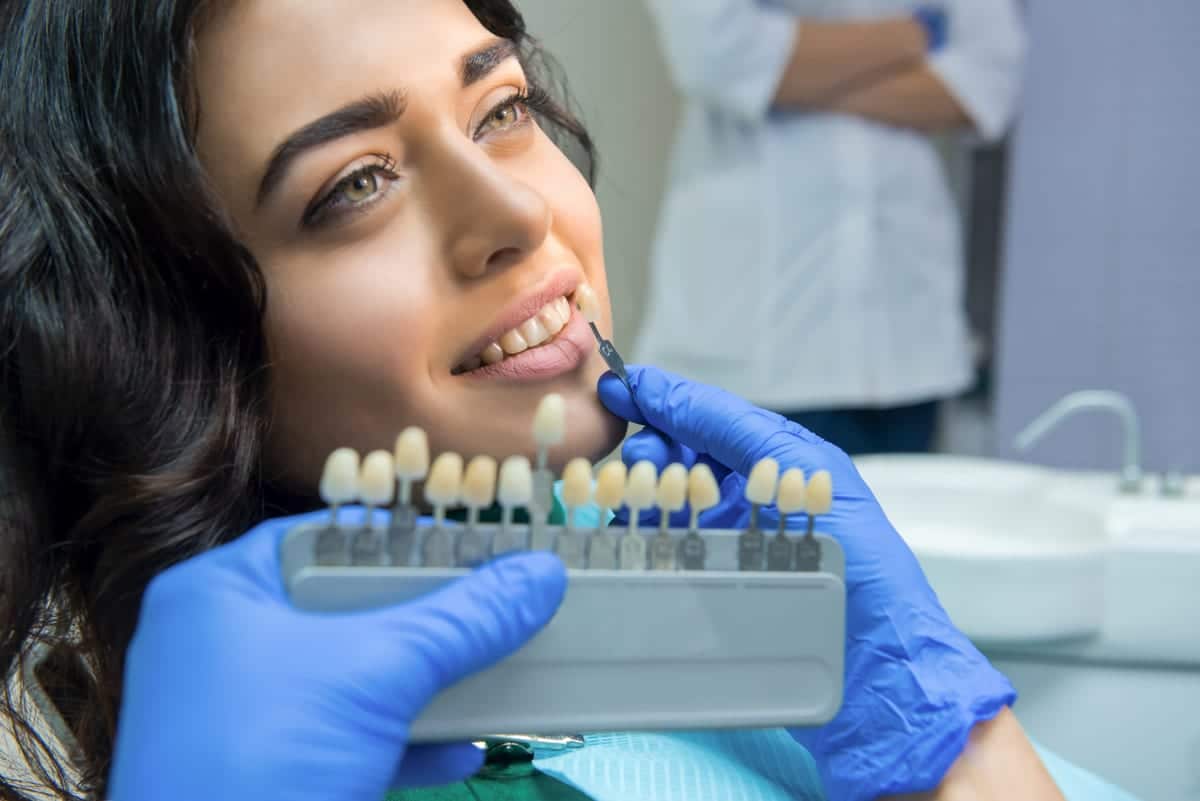
Your First Dental Bridge Appointment: What to Expect and How to Prepare


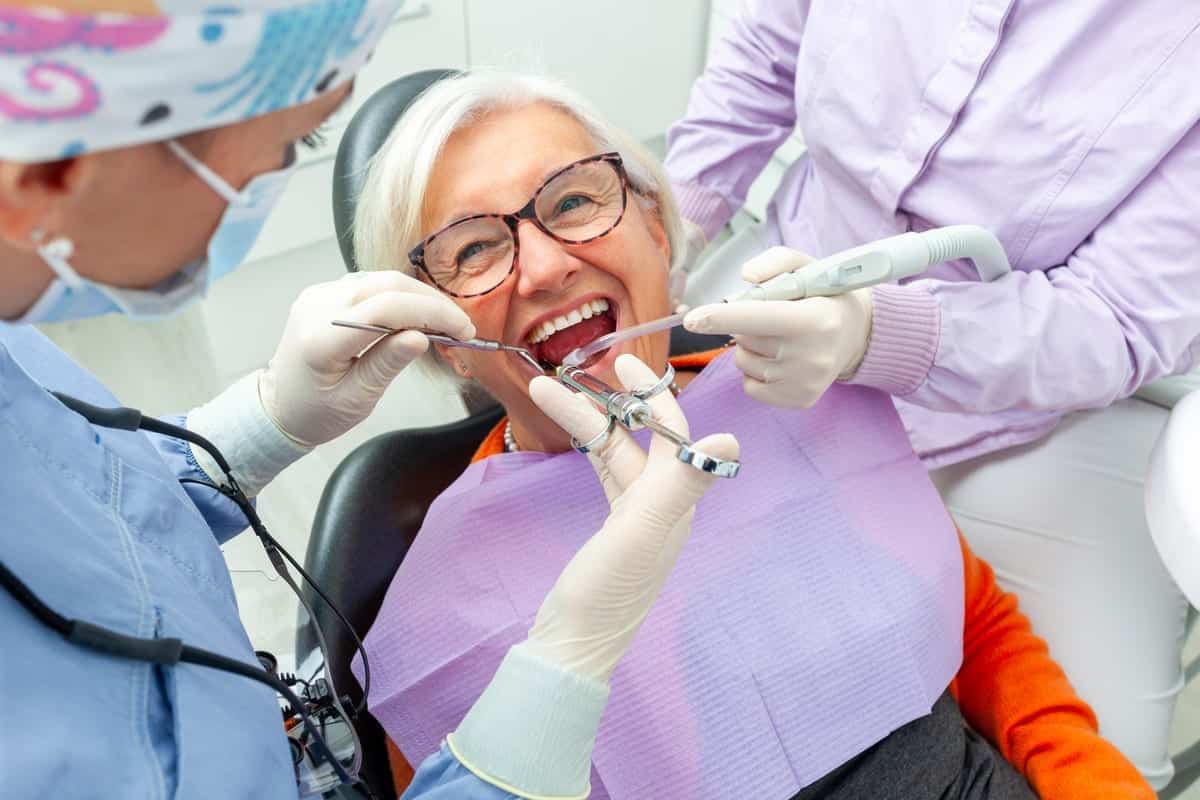
Your First Dental Bridge Appointment: What to Expect and How to Prepare
Scheduling your first dental bridge appointment in Spokane Valley is a big step toward restoring your smile. Many patients feel nervous before this visit simply because they don’t know what to expect. At Cascade Dental Care – Spokane Valley, Dr. Robert Walker and our team make sure every new patient feels informed and at ease. Understanding your first dental bridge appointment — what to expect and how to prepare in Spokane Valley — helps you walk in with confidence.
What Is a Dental Bridge and Why Might You Need One?
A dental bridge is a fixed restoration that fills the gap left by one or more missing teeth. It uses the teeth on either side of the gap as anchors, called abutment teeth. A custom-made artificial tooth — called a pontic — sits in between those anchors.
Missing teeth affect more than your appearance. They can shift neighboring teeth, create bite problems, and make chewing difficult. A bridge restores function, protects surrounding teeth, and gives you a natural-looking result.
Dr. Walker may recommend a bridge if you have one or more missing teeth and healthy neighboring teeth to support the restoration. During your first visit, he will evaluate whether a bridge is the right solution for your specific situation.
How to Prepare for Your First Dental Bridge Appointment in Spokane Valley
A little preparation goes a long way before any dental appointment. Being ready helps the visit run smoothly and ensures Dr. Walker has everything he needs to create your treatment plan.
- Arrive a few minutes early to complete any new patient paperwork.
- Write down any symptoms, concerns, or questions you want to discuss.
- List any medications or supplements you currently take.
- Eat a light meal beforehand — you may have a temporary restoration placed.
- Bring a valid photo ID and any previous dental X-rays if available.
- Let our team know about any dental anxiety so we can make adjustments.
If you have had recent dental work — including Root Canals Spokane Valley — let Dr. Walker know. That information helps him plan the best approach for your bridge placement.
What Happens During Your First Dental Bridge Visit
Your first appointment is primarily a consultation and preparation visit. It typically involves several steps, and knowing each one in advance removes a lot of the guesswork.
- Oral Exam: Dr. Walker examines your mouth, gums, and surrounding teeth. He checks overall oral health before recommending any restoration.
- X-rays: Digital X-rays give a detailed view of your bone structure and tooth roots. These images guide treatment planning.
- Tooth Preparation: The abutment teeth are reshaped to accommodate the bridge. A small amount of enamel is removed to create a proper fit.
- Impressions: Precise molds or digital scans of your teeth are taken. These go to a dental lab where your custom bridge is crafted.
- Temporary Bridge: A temporary restoration is placed to protect the prepared teeth while your permanent bridge is being made.
The Dental Crowns Spokane Valley process is very similar to bridge preparation. Both use crowns on the abutment teeth, so the experience will feel familiar if you have had a crown before.
The entire first appointment typically takes one to two hours. You can drive yourself home unless you have requested sedation.
What to Expect After Your First Appointment
Once your first visit is complete, you will leave with a temporary bridge in place. This temporary restoration looks natural and lets you eat and speak normally. However, it is not as strong as your permanent bridge.
Here are a few tips for caring for your temporary bridge:
- Avoid sticky or hard foods that could dislodge the temporary restoration.
- Brush gently around the area twice daily.
- Floss carefully — slide floss out rather than lifting it up near the temporary crown.
- Call our office right away if the temporary bridge feels loose or falls off.
Mild sensitivity around the prepared teeth is completely normal. It usually fades within a few days. Over-the-counter pain relievers can help manage any discomfort during this time.
Your permanent bridge is typically ready within two to three weeks. At your second appointment, Dr. Walker removes the temporary restoration, checks the fit of the permanent bridge, and cements it into place.
Why Choose Cascade Dental Care in Spokane Valley?
Cascade Dental Care – Spokane Valley serves families throughout the Spokane Valley area with comprehensive general and restorative dentistry. Dr. Robert Walker brings a patient-centered approach to every treatment. He takes time to explain each step and answer every question before moving forward.
Our team understands that dental visits can feel stressful — especially for new patients. We create a welcoming environment where you always know what is happening and why. From your first phone call to your final bridge placement, we are here to support your journey.
We offer a full range of services beyond dental bridges, so any related concerns can be addressed right here in one location. Whether you need cosmetic work, pediatric care, or emergency treatment, our Spokane Valley practice is equipped to help your whole family.
Conclusion
Your first dental bridge appointment does not have to feel overwhelming. Knowing what to expect and how to prepare in Spokane Valley makes the entire process smoother and less stressful. Dr. Robert Walker and the Cascade Dental Care team are ready to guide you through every step. Book Now to schedule your appointment with our team.
Frequently Asked Questions
How long does a dental bridge last?
A well-maintained dental bridge typically lasts between 10 and 15 years. Good oral hygiene and regular checkups can extend the life of your bridge significantly. Dr. Walker will advise you on the best care routine for your specific restoration.
Is the dental bridge procedure painful?
Most patients feel little to no pain during the procedure. Dr. Walker uses local anesthesia to numb the area before preparing the abutment teeth. You may feel some sensitivity after the appointment, but it is generally mild and short-lived.
How many appointments does a dental bridge require?
A traditional dental bridge usually requires two appointments. The first visit involves tooth preparation and impressions. The second visit — typically two to three weeks later — involves placing and cementing your permanent bridge.
Can I eat normally with a dental bridge?
Yes, once your permanent bridge is in place you can eat most foods comfortably. During the temporary bridge phase, it is best to avoid hard, sticky, or chewy foods. After your permanent bridge is cemented, Dr. Walker will give you specific care guidelines.
What if the teeth supporting the bridge need additional treatment?
If the abutment teeth have decay or nerve damage, Dr. Walker may recommend additional treatment before placing the bridge. In some cases, this includes root canal therapy to preserve the supporting teeth. Our team handles all related care in-office for your convenience.