Your Chronic Headaches Might Actually Be Your Jaw


Your Chronic Headaches Might Actually Be Your Jaw
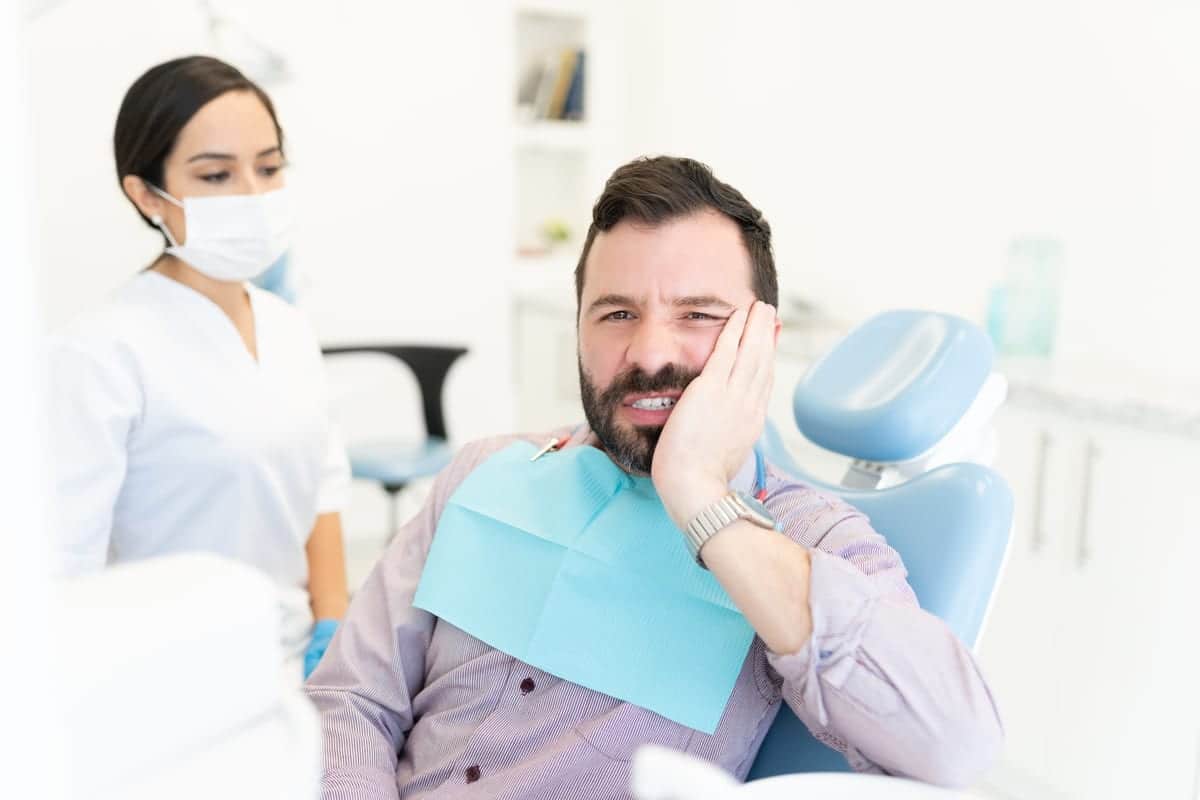
If you live in Country Homes and suffer from chronic headaches, you may have tried everything. You’ve taken pain relievers, adjusted your sleep, and cut back on caffeine. But what if your chronic headaches might actually be your jaw in Country Homes causing all that pain? Many patients are surprised to learn that their jaw — not their brain — is the real culprit.
At Cascade Dental Care – North Spokane, Dr. Robert Walker sees this connection regularly. TMJ disorders are widely misunderstood and frequently go undiagnosed. Understanding this link could finally give you the relief you’ve been searching for.
What Is TMJ and Why Does It Cause Headaches in Country Homes?
TMJ stands for the temporomandibular joint. This is the hinge that connects your jaw to your skull. It sits just in front of each ear. When this joint becomes stressed or misaligned, it can trigger pain throughout your head and face.
The muscles around your jaw are deeply connected to your temples and neck. When those muscles tighten, they radiate pain outward. That pain often feels identical to a tension headache or even a migraine. Many Country Homes residents spend years treating headache symptoms without ever addressing the jaw.
Common causes of TMJ dysfunction include:
- Teeth grinding or clenching (bruxism)
- Misaligned bite
- Jaw injuries or trauma
- Stress and anxiety that tightens facial muscles
- Arthritis in the joint
- Missing or worn-down teeth
Any of these factors can place excessive strain on the jaw joint. That strain builds up over time. Eventually, it produces daily or near-daily headaches that feel impossible to escape.
Signs Your Chronic Headaches Might Actually Be Your Jaw
How do you know if your headaches are jaw-related? There are several telling signs to watch for. Paying attention to these clues can help Dr. Walker make an accurate diagnosis.
Watch for these warning signs:
- Headaches that start near your temples or behind your eyes
- Pain that is worse in the morning after sleeping
- A clicking, popping, or grinding sound when you open your mouth
- Jaw soreness, stiffness, or limited movement
- Ear pain or a feeling of fullness in the ears
- Neck and shoulder tension that accompanies your headaches
- Facial fatigue after eating or talking
Morning headaches are especially telling. If you wake up with head pain, you may be grinding your teeth at night. This is one of the most common drivers of TMJ-related headaches in Country Homes patients. Dr. Walker can spot the signs of grinding during a routine exam.
How a Dentist in Country Homes Can Help Diagnose TMJ
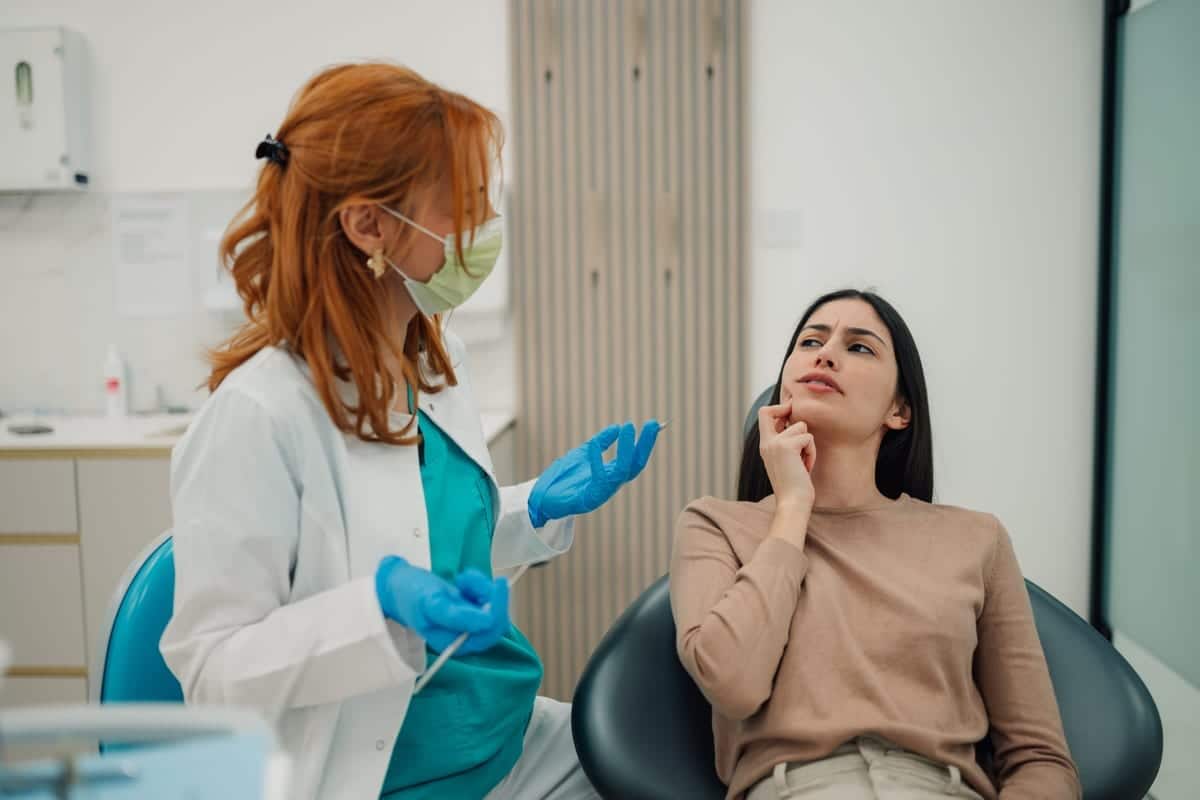
Many people never think to mention their headaches to their dentist. That is a missed opportunity. Dr. Robert Walker is trained to evaluate the jaw joint, bite alignment, and signs of bruxism. A simple dental exam can reveal a great deal about your headache patterns.
During your visit, Dr. Walker will assess how your teeth come together. He will check for wear patterns that suggest grinding. He will also examine the range of motion in your jaw. This thorough evaluation helps connect the dots between jaw function and head pain.
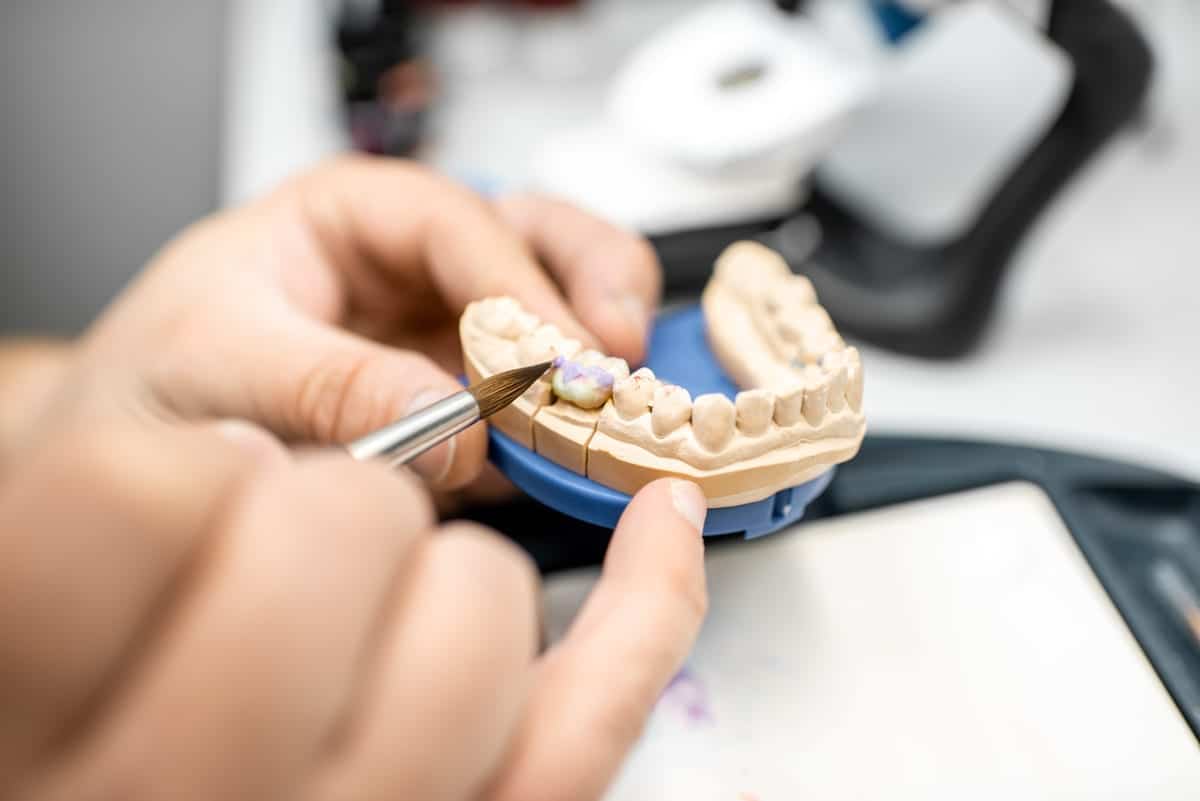
Sometimes dental damage signals deeper TMJ issues. A cracked or worn tooth may require treatment like Dental Crowns Country Homes to restore proper bite height. Rebuilding that bite can dramatically reduce jaw tension. Less tension means fewer headaches for Country Homes patients.
In some cases, TMJ problems also affect tooth roots. Severe grinding can compromise a tooth from the inside out. When this happens, patients may need Root Canals Country Homes to save the damaged tooth. Addressing these issues early protects both your teeth and your overall comfort.
Treatment Options for Jaw-Related Headaches in Country Homes
The good news is that TMJ-related headaches are very treatable. Dr. Walker takes a conservative, patient-centered approach. The goal is to reduce strain on the jaw joint and restore comfortable function.
Common treatment options include:
- Custom night guards — A fitted oral appliance worn during sleep prevents grinding and protects your teeth.
- Bite adjustment — Small changes to how your teeth meet can relieve significant pressure on the joint.
- Restorative work — Replacing missing teeth or restoring worn teeth helps balance your bite properly.
- Invisalign — Clear aligners can correct bite misalignment that drives TMJ symptoms over time.
- Stress management guidance — Dr. Walker can recommend habits that reduce jaw clenching during the day.
Treatment is not one-size-fits-all. Dr. Walker will recommend a plan based on your specific exam findings. Many Country Homes patients report significant headache relief within weeks of starting treatment. That kind of progress can feel life-changing after years of pain.
Lifestyle adjustments also matter. Avoiding hard or chewy foods can give your jaw muscles time to recover. Applying warm compresses to the jaw area reduces inflammation. Simple awareness of daytime clenching habits can make a real difference too.
Why Country Homes Patients Trust Cascade Dental Care – North Spokane
Cascade Dental Care – North Spokane is conveniently located for Country Homes residents. Dr. Robert Walker brings a warm, educational approach to every appointment. He takes time to listen to your full health history — including your headaches.
Our team understands that coming to the dentist with headache concerns might feel unusual. We make the process comfortable and judgment-free. We explain every finding in plain language. You will leave your appointment with a clear understanding of what is driving your pain.
We offer a full range of general and restorative dental services. Whether your TMJ treatment involves a simple night guard or more comprehensive restorative care, we are equipped to help. Our priority is your long-term health and comfort — not just your teeth.
If you have been suffering from unexplained chronic headaches, it may be time to look at your jaw. Many Country Homes patients have found answers here that they could not find anywhere else. Your relief could be closer than you think.
Conclusion: Stop Guessing and Start Getting Answers
Chronic headaches are exhausting and disruptive. They affect your work, your relationships, and your quality of life. If you have ruled out other causes, your jaw deserves serious consideration. Your chronic headaches might actually be your jaw in Country Homes — and that is something Dr. Walker can assess right away.
Do not spend another month managing symptoms without a real diagnosis. Schedule a comprehensive exam at Cascade Dental Care – North Spokane. Our team will evaluate your jaw health and help you build a path to lasting relief. Book Now to schedule your appointment with our team.
Frequently Asked Questions
Can my dentist really diagnose the cause of my chronic headaches?
Yes. Dentists like Dr. Robert Walker are trained to evaluate the jaw joint, bite alignment, and signs of bruxism. These factors are common drivers of chronic headaches. A dental exam can reveal patterns that neurologists or primary care physicians may miss.
How do I know if my headaches are from TMJ or something else?
TMJ headaches often start near the temples, feel worse in the morning, and come with jaw soreness or clicking. If your headaches follow this pattern, TMJ is a likely contributor. A comprehensive dental evaluation can help confirm or rule out jaw involvement.
Is a night guard uncomfortable to wear?
Most patients adapt to a custom night guard within a few nights. Dr. Walker creates a guard fitted specifically to your bite. It is designed to be as comfortable as possible while protecting your teeth and reducing jaw muscle strain overnight.
How long does it take to see headache relief from TMJ treatment?
Many patients notice improvement within a few weeks of starting treatment. Results vary depending on the severity of the TMJ disorder. Consistent use of a night guard and any recommended bite corrections tend to produce the best long-term outcomes.
Does TMJ treatment require surgery?
In most cases, no surgery is needed. Dr. Walker focuses on conservative, non-invasive approaches first. Night guards, bite adjustments, and restorative dental work resolve the majority of TMJ-related headache cases without any surgical intervention.