
Why Your Root Canal Isn’t Complete Without a Crown


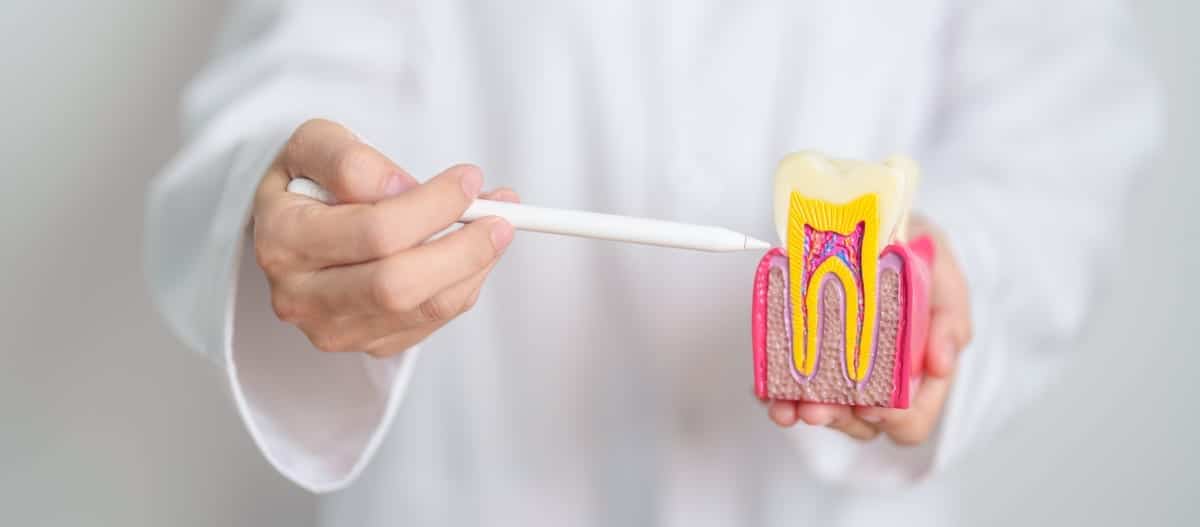
Why Your Root Canal Isn’t Complete Without a Crown
Many patients in Spokane Valley breathe a sigh of relief after finishing a root canal. The pain is gone, the infection is treated, and it feels like the hard part is over. But here’s something important to understand: your tooth isn’t fully protected yet. Why your root canal isn’t complete without a crown in Spokane Valley is a question Dr. Robert Walker at Cascade Dental Care answers regularly — and the answer matters for your long-term dental health.
A root canal removes the infected pulp from inside your tooth. It cleans and seals the inner canals. However, it leaves the outer tooth structure fragile and vulnerable. Without a crown, that tooth is at serious risk of breaking, cracking, or failing entirely.
What Happens to a Tooth After a Root Canal Spokane Valley Patients Should Know
When a dentist performs a Root Canals Spokane Valley procedure, the nerve and blood supply inside the tooth are removed. This is necessary to eliminate infection and save the tooth. But it has a significant side effect: the tooth becomes brittle.
Without a living pulp, the tooth no longer receives nutrients or moisture from within. Over time, it dries out and weakens. Even normal biting forces can cause it to crack or split. Back teeth especially — molars and premolars — take on heavy chewing pressure every day.
A cracked tooth after a root canal often cannot be saved. In many cases, extraction becomes the only option. This is why completing the process with a crown is not optional — it’s essential.
Why a Crown Protects Your Investment in Dental Crowns Spokane Valley
A dental crown acts as a full protective cap over your treated tooth. It holds the remaining tooth structure together and restores full function. Think of it like a helmet for a tooth that has already been through trauma. Dental Crowns Spokane Valley patients receive at Cascade Dental Care are custom-made to match the shape, size, and color of natural teeth.
Here are the key reasons a crown is necessary after a root canal:
- Prevents fractures: A crown holds weakened tooth structure together under chewing pressure.
- Restores full bite function: You can eat and chew normally without worry.
- Seals the tooth: It protects the root canal filling from bacteria and reinfection.
- Improves appearance: Crowns are tooth-colored and blend in naturally with your smile.
- Extends tooth lifespan: A crowned tooth after a root canal can last many years with proper care.
Without this protection, the root canal treatment itself may eventually fail. Bacteria can re-enter the tooth through tiny cracks. That leads to pain, reinfection, and potentially the loss of the tooth altogether.
What to Expect During Your Crown Appointment at Cascade Dental Care
Many patients feel anxious about adding another dental appointment after a root canal. The good news is that the crown process is straightforward. Dr. Walker and the team at Cascade Dental Care make it as comfortable as possible for Spokane Valley patients.
Here is what typically happens during your crown appointments:
- Tooth preparation: Dr. Walker gently shapes the tooth to create room for the crown. Local anesthetic keeps you comfortable throughout.
- Impressions or digital scans: Precise measurements of your tooth are taken. These guide the creation of your custom crown.
- Temporary crown placement: A temporary crown protects the tooth while your permanent crown is being made.
- Permanent crown placement: At your second visit, Dr. Walker removes the temporary crown. The permanent crown is fitted, adjusted, and bonded securely in place.
Most patients find the crown appointment much easier than the root canal itself. The tooth has no living nerve, so sensitivity is minimal. The entire process is designed to be efficient and as comfortable as possible.
How Long Can You Wait Between a Root Canal and a Crown?
This is one of the most common questions Dr. Walker hears from Spokane Valley patients. The short answer: don’t wait long. A temporary filling placed after a root canal is not a permanent solution. It is designed to hold for a few weeks at most.
Every day without a crown puts your tooth at risk. Normal chewing, grinding, or even accidentally biting down too hard can fracture the unprotected tooth. Once a tooth fractures below the gum line, it typically cannot be restored.
Dental professionals generally recommend scheduling your crown appointment within two to four weeks of your root canal. This timeline keeps the tooth protected and gives the surrounding tissues time to settle after treatment.
If you have been putting off your crown appointment in Spokane Valley, now is the time to act. The longer you wait, the greater the risk to your tooth and the work that has already been done.
Signs Your Root Canal Tooth May Need Immediate Attention
Sometimes patients notice warning signs that their treated tooth needs prompt care. Watch for these symptoms after a root canal:
- Increased pain or pressure around the treated tooth
- Sensitivity to temperature that was not present before
- Visible cracks or chips in the tooth
- The temporary crown feels loose or falls out
- Swelling or tenderness in the surrounding gum tissue
Any of these signs should prompt a call to Cascade Dental Care. Dr. Walker can evaluate the tooth and determine the best next step. Addressing problems early prevents more serious complications later.
Protecting Your Smile for the Long Term in Spokane Valley
A root canal saves a tooth that would otherwise be lost. A crown preserves that tooth for years to come. Together, they are a powerful combination that restores both function and appearance. Patients in Spokane Valley who complete both steps of treatment enjoy the full benefit of keeping their natural tooth.
At Cascade Dental Care, Dr. Robert Walker takes a patient-centered approach to every procedure. The goal is always to help you understand your treatment and feel confident about each step. If you had a root canal and still need a crown, don’t delay any further. Book Now to schedule your appointment with our team.
Frequently Asked Questions
Is a crown always required after a root canal?
In most cases, yes. Back teeth that endure heavy chewing forces almost always need a crown after a root canal. Front teeth may occasionally be restored with a filling alone, but Dr. Walker will evaluate your specific tooth and recommend the safest option for your situation.
How long does a crown last after a root canal?
With proper care, a dental crown can last 10 to 15 years or longer. Good oral hygiene, regular checkups at Cascade Dental Care, and avoiding habits like grinding or chewing ice help extend the life of your crown significantly.
Will my crowned tooth look natural?
Yes. Modern porcelain and ceramic crowns are designed to closely match the color, shape, and translucency of your natural teeth. Most people cannot tell the difference between a crowned tooth and a natural one.
What happens if I skip the crown after my root canal?
Skipping the crown puts your treated tooth at high risk of fracture. A fractured tooth often cannot be repaired and may need to be extracted. You would then need to replace the missing tooth with a bridge, implant, or denture — all of which involve additional treatment and cost.
Does getting a crown hurt?
The crown procedure is performed under local anesthetic, so you should feel no pain during the appointment. Because the tooth has already had its nerve removed during the root canal, most patients experience very little sensitivity after the crown is placed as well.