Why Your Dentures Feel Loose After a Few Years



Why Your Dentures Feel Loose After a Few Years
If you wear dentures, you may have noticed something frustrating — they no longer feel as snug as they once did. Many patients in Spokane ask why their dentures feel loose after a few years, even when everything seemed fine at first. The answer almost always comes down to changes happening beneath the surface of your gums. Understanding those changes helps you take the right steps to restore your comfort and confidence.
Why Your Dentures Feel Loose After a Few Years: The Science Behind It
When your natural teeth are removed, the jawbone no longer receives stimulation from chewing and biting. Without that daily pressure, your body gradually reabsorbs the bone tissue. This process is called bone resorption, and it is completely natural — but it significantly affects how your dentures fit.
Bone resorption typically begins within the first year after tooth loss. Over the following years, the ridge of bone that once supported your teeth slowly shrinks and changes shape. Since your dentures were made to fit your jaw at a specific point in time, that fit becomes less accurate as your jaw continues to change.
For many Spokane patients, noticeable looseness develops within three to five years of getting dentures. Some people experience changes even sooner, depending on their age, overall health, and how much bone loss occurred before their extractions.
Signs Your Dentures No Longer Fit Properly
Loose dentures are not just uncomfortable — they can affect your quality of life in very real ways. Recognizing the signs early helps you get help before small problems become bigger ones.
Watch for these common warning signs:
- Dentures slip or click when you speak or chew
- Sore spots or irritation along your gumline
- Difficulty eating foods that were once manageable
- Increased use of denture adhesive just to get through the day
- Changes in your facial appearance or jaw alignment
- Persistent bad breath caused by trapped food particles
If any of these sound familiar, it is time to schedule an evaluation. Waiting too long can accelerate bone loss and make future treatment more complex.
What Are Your Options in Spokane When Dentures Stop Fitting?
The good news is that you have several effective options when your dentures no longer fit well. Dr. Robert Walker at Cascade Dental Care – South Hill can help you determine which approach is right for your situation.
Denture Relining is often the first solution recommended. A reline adds new material to the fitting surface of your existing dentures. This reshapes the base to match your current gumline more accurately. Relining is cost-effective and can be completed relatively quickly.
Denture Rebasing goes a step further. Instead of just resurfacing the fitting layer, rebasing replaces the entire acrylic base of the denture while keeping the existing teeth. This is a good option when the denture base has worn down significantly but the artificial teeth are still in good shape.
Denture Replacement becomes necessary when the dentures are too worn or too far out of alignment with your changed jaw structure. New dentures are fabricated to match your current jaw shape precisely. While this is the most involved option, it often delivers the best long-term comfort and function.
Other dental concerns sometimes arise alongside fit problems. Patients dealing with damaged teeth may also explore Dental Crowns Spokane to protect and restore remaining natural teeth. Similarly, issues that reach the inner tooth may require evaluation for Root Canals Spokane before any restorative work can begin.
How Implant-Supported Dentures Address Bone Loss Differently
Traditional dentures rest on top of your gums. They do not stop bone resorption from occurring. Implant-supported dentures offer a fundamentally different approach that many Spokane patients are now exploring.
Dental implants are titanium posts placed directly into your jawbone. They function like artificial tooth roots. Because implants transmit chewing forces into the bone, they help preserve bone density over time.
Here are some key benefits of implant-supported dentures compared to traditional options:
- Significantly greater stability — no slipping or clicking
- Slower rate of bone resorption beneath the denture
- Improved chewing ability for a wider range of foods
- Greater confidence when speaking in social situations
- Reduced need for adhesives or frequent relining
- Long-term investment that can last for decades with proper care
Not everyone is an immediate candidate for implants. Sufficient bone volume is required to place them successfully. If significant bone loss has already occurred, bone grafting may be recommended first. Dr. Walker can assess your bone structure and help you understand all available options.
What to Expect at Your Denture Evaluation in Spokane
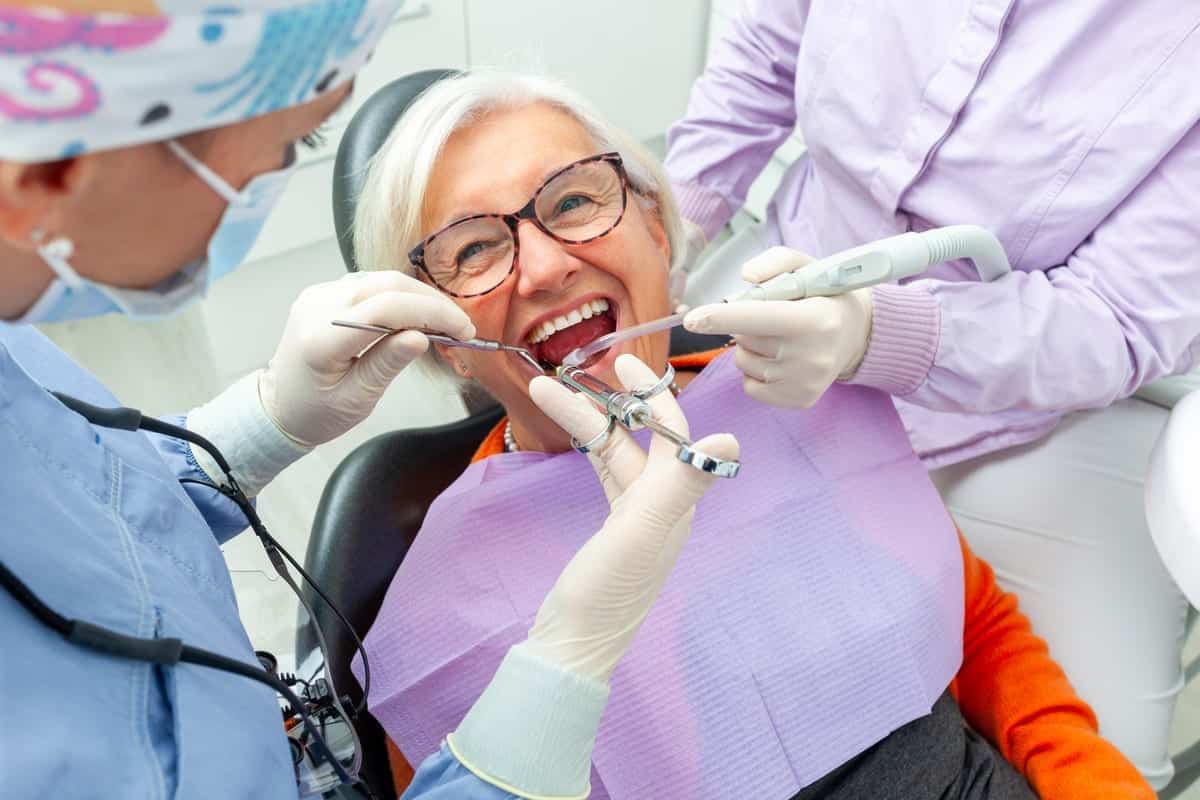
Visiting Cascade Dental Care – South Hill for a denture evaluation is a straightforward and comfortable experience. Dr. Walker will examine how your current dentures fit against your gumline and jawbone. He will also assess the overall condition of your denture base and teeth.
Digital imaging may be used to evaluate the underlying bone structure. This helps identify how much resorption has occurred and what treatment approach makes the most sense. The goal is always to restore your ability to eat, speak, and smile with confidence.
Dr. Walker takes an educational and empathetic approach with every patient. He understands that loose dentures can feel embarrassing and frustrating. His team is here to answer your questions without judgment and help you make informed decisions about your care.
Keeping Your Dentures Fitting Better for Longer
While bone resorption is inevitable, there are steps you can take to slow the process and extend the life of your dentures. Good habits make a measurable difference over time.
Clean your dentures daily to prevent bacterial buildup. Remove them overnight to give your gum tissue a chance to rest. Avoid using overly hard or sticky foods that place excessive stress on your dentures. Most importantly, schedule regular dental checkups — even if you have no remaining natural teeth.
Routine visits allow Dr. Walker to monitor changes in your jaw and catch fit problems early. Early intervention through relining or rebasing is almost always simpler and less disruptive than waiting until complete replacement becomes necessary.
Frequently Asked Questions
Why do dentures feel loose after just a few years?
Dentures feel loose because your jawbone gradually shrinks after tooth loss through a process called bone resorption. Since your dentures were fitted to your jaw at one point in time, they become less accurate as your jaw shape changes. This is a natural process, but it means dentures typically need attention every few years.
Can a dentist fix loose dentures without making new ones?
Yes, in many cases. Denture relining adds new material to the fitting surface to match your current gumline. Rebasing replaces the entire denture base while keeping the existing artificial teeth. Both options are less involved than full replacement and can restore a comfortable, secure fit for many patients.
How often should dentures be replaced?
Most dentures need to be replaced every seven to ten years, though this varies depending on the rate of bone loss and the condition of the denture itself. Regular checkups help Dr. Walker monitor your fit and recommend relining or rebasing before full replacement becomes necessary.
Are implant-supported dentures worth considering in Spokane?
Implant-supported dentures are an excellent option for many patients. They provide superior stability, reduce ongoing bone loss, and eliminate the frustration of slipping dentures. Dr. Robert Walker at Cascade Dental Care – South Hill can evaluate whether you have sufficient bone density for implants and walk you through the process in detail.
What happens if I ignore loose-fitting dentures?
Ignoring loose dentures can lead to accelerated bone resorption, chronic gum irritation, and difficulty eating nutritious foods. Over time, the fit will continue to worsen and the treatment needed becomes more complex. Early evaluation and intervention always leads to better outcomes and less disruption to your daily life.
If your dentures have started to feel less secure, do not wait for the problem to worsen. Dr. Robert Walker and the team at Cascade Dental Care – South Hill are here to help Spokane patients find comfortable, lasting solutions. Book Now to schedule your appointment with our team.