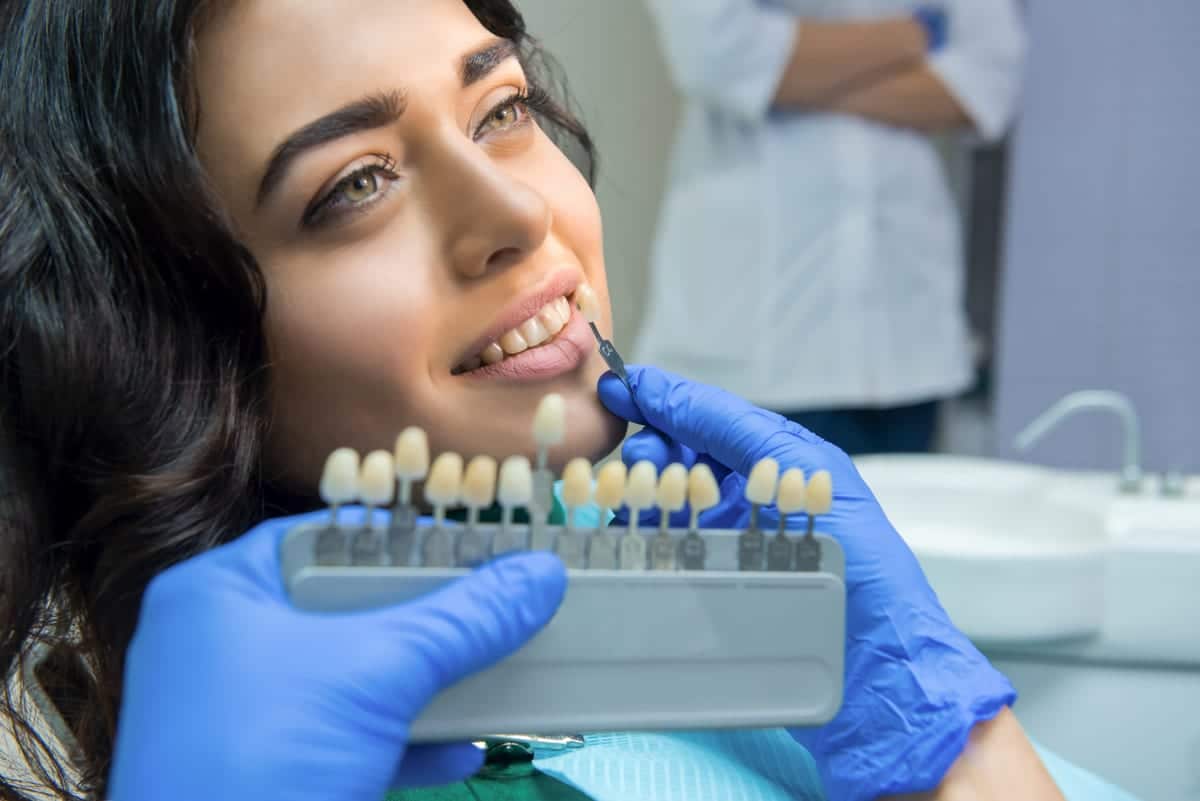
Teeth Whitening Results in Spokane, WA


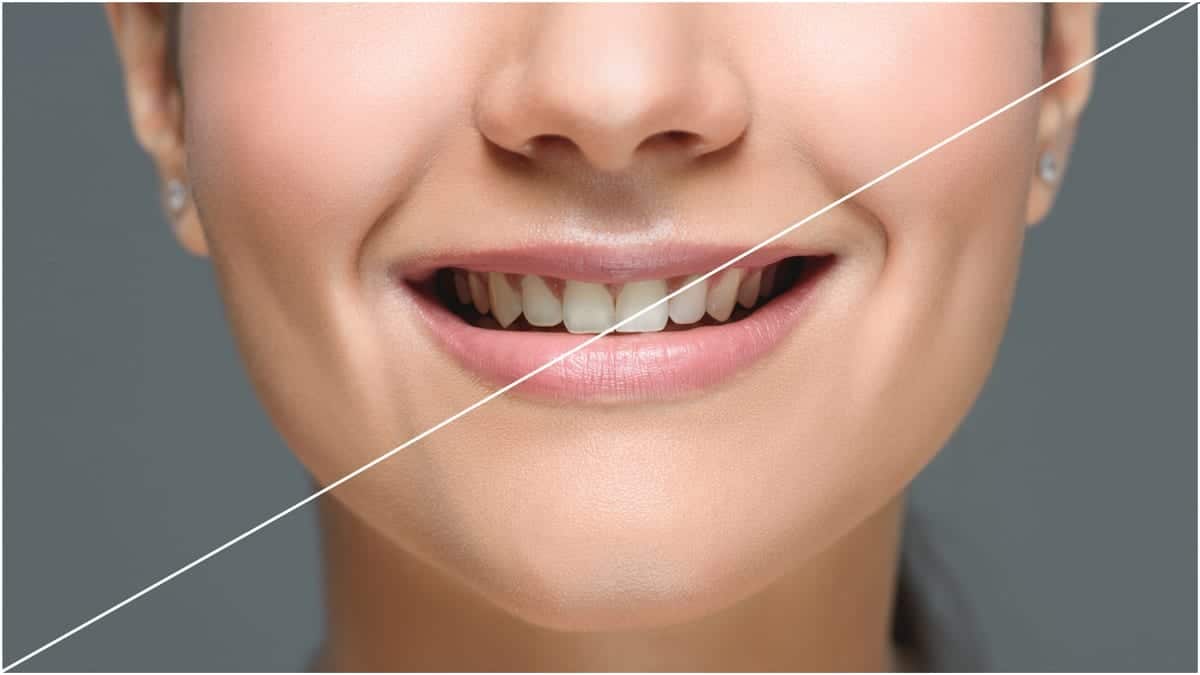
Teeth Whitening Results in Spokane, WA
You invested time and money into a brighter smile. But a few months later, that dazzle starts to dim. If you’re asking why your whitening results fade and how to make them last in Spokane, you’re not alone. Dr. Robert Walker at Cascade Dental Care – South Hill hears this question all the time. Understanding what causes fading — and what you can do about it — makes all the difference in protecting your results.
How Long Do Whitening Results Actually Last in Spokane?
This is one of the most common questions patients ask after treatment. The honest answer depends on several personal habits and lifestyle factors. On average, professional whitening results last anywhere from six months to two years. In-office treatments tend to last longer than over-the-counter strips or trays.
Take-home whitening kits from your dentist offer a middle ground. They deliver stronger results than store-bought options but require consistent use. Patients who follow maintenance guidance from Dr. Walker tend to see results closer to the two-year end of that range. Your daily choices play a significant role in where you fall on that spectrum.
The Habits That Shorten Your Whitening Results
Whitening treatments remove stains from the outer layer of your enamel. But enamel is porous, which means it absorbs pigments from food and drink over time. Certain habits speed up that staining process significantly.
Here are the most common culprits that cause whitening results to fade faster:
- Coffee and tea: These beverages are high in tannins, which bind to enamel and cause discoloration quickly.
- Red wine: Wine contains both tannins and chromogens, making it one of the most staining drinks you can consume.
- Smoking and tobacco: Nicotine and tar create deep yellow and brown stains that penetrate enamel over time.
- Dark-colored sauces: Soy sauce, tomato sauce, and balsamic vinegar all carry strong pigments that stick to teeth.
- Berries and dark fruits: Blueberries, pomegranates, and cherries are nutritious but can stain enamel with repeated exposure.
None of these habits mean you can never enjoy your morning coffee again. But awareness allows you to take protective steps after consuming them. A quick rinse with water after staining foods goes a long way in Spokane’s busy daily routines.
Why Whitening Results Fade — The Science Behind It
After a whitening treatment, your enamel pores temporarily open. This is what allows the whitening agent to break down stain molecules effectively. However, those same open pores also make your teeth more vulnerable to re-staining in the first 48 hours.
Dentists often call this the