Teeth Whitening in Spokane, WA


Teeth Whitening in Spokane, WA
You’ve seen the before-and-after photos. You’re ready for a brighter smile. But before you invest in whitening, it’s worth asking: will your teeth whitening actually work? Find out now — because not every smile responds the same way. At Cascade Dental Care – South Hill in Spokane, WA, Dr. Robert Walker helps patients understand exactly what to expect before starting any whitening treatment.
The truth is, teeth whitening works beautifully for some patients and barely at all for others. The difference comes down to the type of discoloration and the condition of your existing dental work. Knowing your candidacy upfront saves time, money, and disappointment.
Who Gets the Best Whitening Results in Spokane?
Whitening treatments work by using peroxide-based agents to break apart stain molecules. This process works best on extrinsic stains — discoloration that sits on the outer surface of natural tooth enamel. These stains come from everyday habits and lifestyle choices.
If your teeth are stained from any of the following, you are likely an excellent whitening candidate:
- Coffee, tea, or red wine consumption
- Tobacco use over time
- Certain dark-colored foods like berries or soy sauce
- General aging and surface yellowing
- Mild to moderate overall dullness
Patients with healthy enamel and no major restorations typically see the most dramatic results. Professional whitening at a dental office can lift shades significantly in a single visit. At-home trays prescribed by Dr. Walker offer a gentler, gradual brightening over one to two weeks.
When Whitening Won’t Work — Intrinsic Stains Explained
Not all tooth discoloration responds to bleaching agents. Intrinsic stains originate inside the tooth itself, deep within the dentin layer. These stains cannot be reached by surface-level whitening products, no matter how strong the formula.
Common causes of intrinsic staining include:
- Tetracycline or antibiotic use during childhood tooth development
- Fluorosis from excessive fluoride exposure during development
- Tooth trauma that caused internal bleeding or nerve damage
- Genetic factors affecting natural enamel color
- Aging-related dentin darkening beneath thinning enamel
If your staining falls into this category, whitening will likely produce little to no visible change. That doesn’t mean a brighter smile is out of reach. It simply means you need a different approach. Dr. Walker may recommend cosmetic options like veneers or dental bonding to achieve the look you’re after.
It’s important to set realistic expectations before beginning any treatment. A professional consultation helps you avoid spending money on a solution that won’t address your specific type of staining.
What Dental Restorations Mean for Your Whitening Results
Here’s something many patients don’t realize: whitening agents only affect natural tooth structure. Crowns, veneers, bonding, and fillings do not respond to bleaching. They stay the same shade no matter how many whitening sessions you complete.
If you have Dental Crowns on visible front teeth, whitening your surrounding natural teeth could create a mismatched appearance. The same applies to tooth-colored fillings or bonding placed on front teeth. Your whitened natural teeth might end up noticeably lighter than your restorations.
This doesn’t mean you can’t whiten at all. It means timing matters. Many patients choose to whiten first, then replace older restorations to match the new shade. Dr. Walker can help you plan the right sequence for your specific situation.
If you’ve recently had a root canal, that tooth may also darken over time due to internal changes. Root Canals can sometimes lead to discoloration that requires internal bleaching or cosmetic restoration rather than standard whitening.
Medication-Induced Staining and Special Considerations
Some staining comes directly from medications — both past and present. Tetracycline antibiotics taken during childhood are the most well-known culprit. They bind to developing tooth structure and create gray, brown, or banded discoloration that penetrates deep into the enamel and dentin.
Other medications that may contribute to tooth discoloration include certain antihistamines, blood pressure medications, and antipsychotic drugs. In some cases, prolonged use of prescription-strength chlorhexidine mouth rinses can also cause surface staining that is more responsive to professional cleaning than whitening.
If you suspect medication is causing your staining, be upfront with Dr. Walker during your consultation. Understanding the source of discoloration is the first step toward choosing an effective solution. For medication-induced intrinsic staining, cosmetic options like porcelain veneers often deliver results that whitening simply cannot.
How to Know for Sure — Getting a Whitening Consultation in Spokane
The best way to find out if teeth whitening will work for you is to schedule a professional evaluation. Dr. Robert Walker examines your enamel, identifies the type of staining present, and reviews your dental history. This allows for an honest, personalized recommendation.
During your consultation at Cascade Dental Care – South Hill, you can expect:
- A full review of your current dental restorations and their locations
- Assessment of stain type — extrinsic versus intrinsic
- Discussion of your whitening goals and timeline
- A recommendation for the most effective treatment option
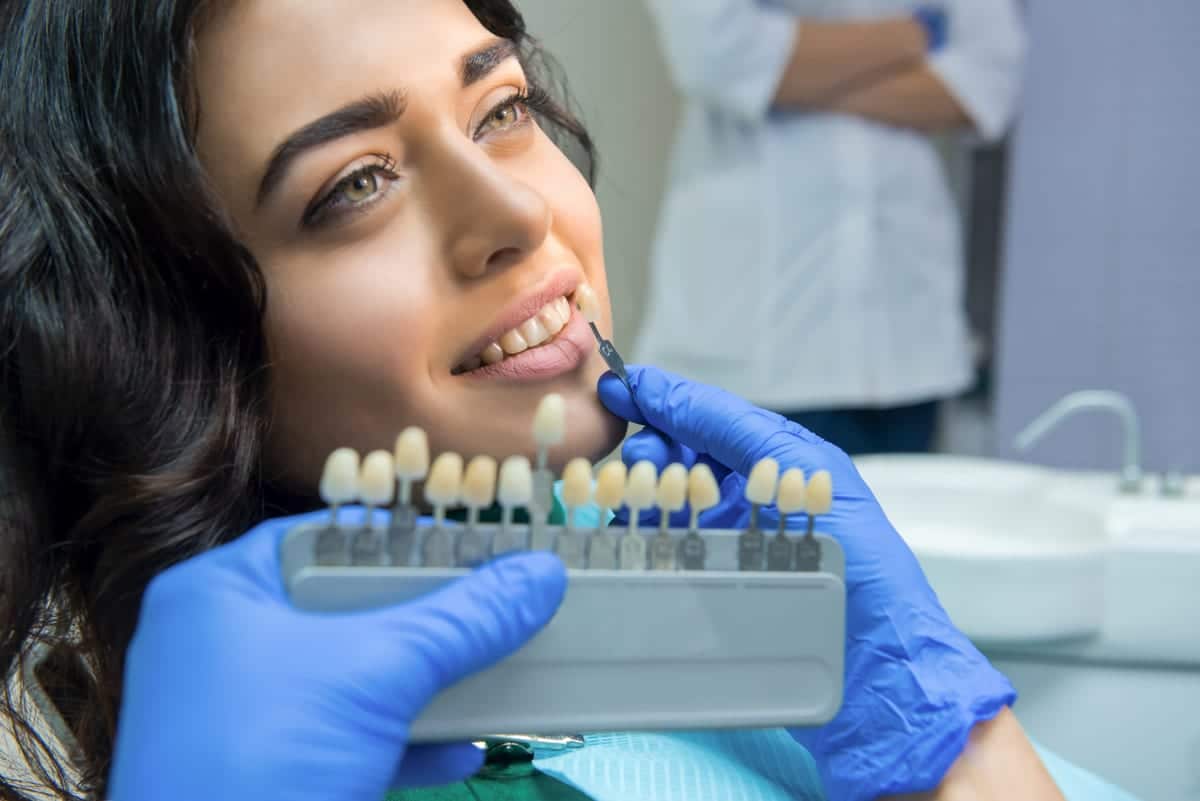
- A shade comparison so you can track your results accurately
Patients who are ideal whitening candidates often see impressive results with professional-grade treatments that are far more effective than over-the-counter strips. Those who aren’t good candidates leave the consultation with a clear path forward using alternative cosmetic solutions.
In Spokane, finding out now — before you spend time and money — is always the smarter move. Dr. Walker and the team at Cascade Dental Care – South Hill are here to guide you toward the smile outcome that actually makes sense for your unique dental situation. Book Now to schedule your appointment with our team.
Frequently Asked Questions
Can I whiten my teeth if I have veneers or crowns?
Whitening agents do not change the color of dental restorations like veneers or crowns. If your restorations are on visible front teeth, whitening your natural teeth could create an uneven appearance. Talk to Dr. Walker about sequencing your cosmetic treatments properly for the best outcome.
How long does professional teeth whitening last?
Professional whitening results typically last six months to two years depending on diet, habits, and oral hygiene. Avoiding staining foods and beverages, not smoking, and maintaining regular cleanings helps extend your results significantly.
Is teeth whitening safe for sensitive teeth?
Many patients with mild to moderate sensitivity can still undergo whitening with the right protocol. Dr. Walker may recommend a lower-concentration formula, shorter treatment sessions, or desensitizing agents applied before and after treatment. A consultation helps determine the safest approach for your teeth.
What is the difference between professional whitening and store-bought strips?
Professional whitening uses higher-concentration peroxide agents applied under controlled conditions. This produces faster, more uniform results. Over-the-counter strips use much weaker formulas and often fail to cover teeth evenly, leading to patchy or minimal lightening.
Can teeth whitening fix gray or banded discoloration from antibiotics?
Tetracycline-related staining is intrinsic and typically does not respond well to standard whitening treatments. Patients with this type of discoloration usually achieve better results with porcelain veneers, which completely cover the affected tooth surface and create a uniformly bright appearance.