
Invisalign Timeline in Spokane, WA


Invisalign Timeline in Spokane, WA
If you’ve been researching Invisalign in Spokane, you’ve probably noticed a wide range of treatment timelines. Some patients finish in as little as 12 months. Others need closer to 24. Understanding the Invisalign timeline — why some patients finish in 12 months and others need 24 in Spokane — helps you set realistic expectations before you begin. At Cascade Dental Care – South Hill, Dr. Robert Walker walks every patient through a personalized treatment plan from the start.
The truth is, no two smiles are exactly alike. Your timeline depends on your unique dental situation, your habits, and how closely you follow your treatment plan. Let’s break down what actually drives your Invisalign timeline.
What Determines Your Invisalign Timeline in Spokane?
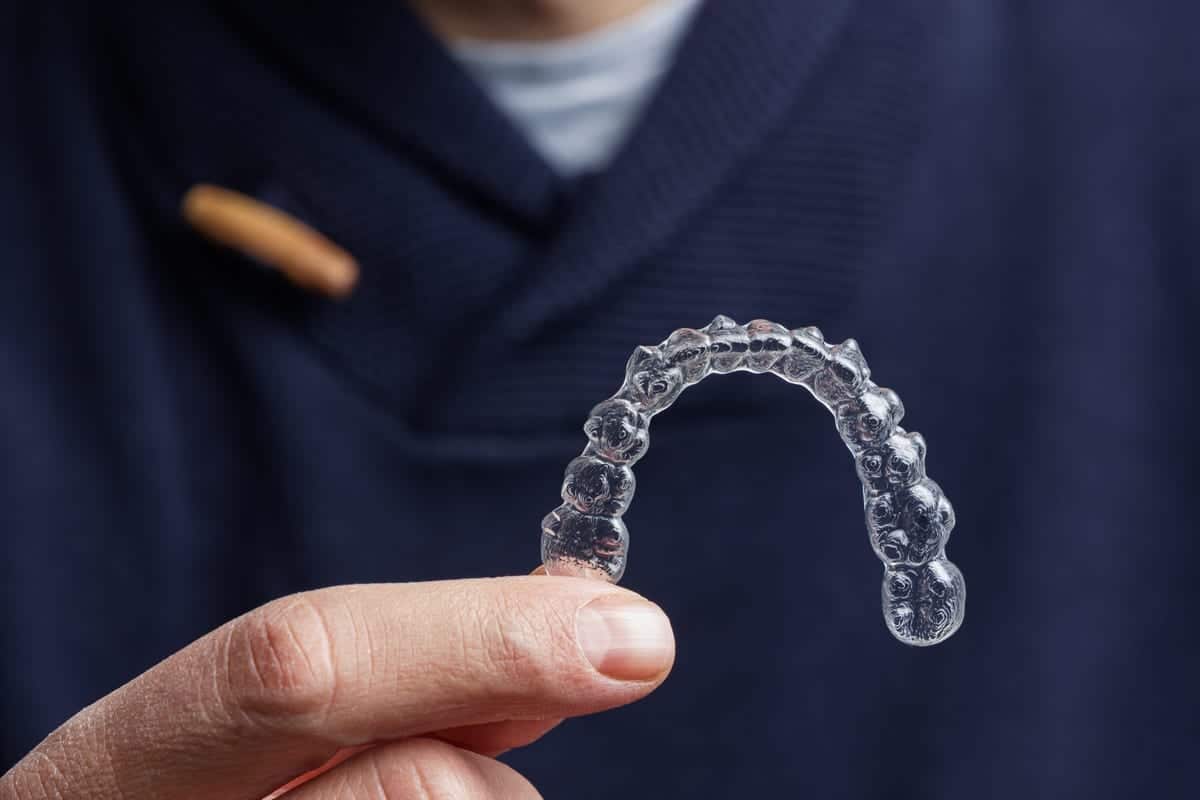
Invisalign works by gradually shifting your teeth using a series of clear, removable aligners. Each aligner tray moves your teeth a small amount. The total number of trays you need determines how long your treatment lasts.
Several factors influence how many trays your treatment requires:
- Severity of crowding or spacing issues — Mild cases need fewer trays and less time.
- Type of bite problem — Overbites, underbites, and crossbites add complexity and length.
- Number of teeth being moved — Moving more teeth takes more aligner stages.
- Your age and bone density — Younger patients often see faster tooth movement.
- Overall oral health — Gum disease or untreated decay must be addressed before treatment begins.
Dr. Walker uses digital scanning technology to map out your tooth movements in advance. This allows him to give you a realistic estimate during your very first consultation.
Why Some Patients Finish Invisalign in 12 Months
Shorter treatment timelines are not just lucky outcomes. They tend to result from specific, predictable factors. Patients who finish around the 12-month mark usually share several things in common.
First, their alignment issues are mild to moderate. Minor crowding, small gaps, or slight rotations respond quickly to aligner therapy. Second, these patients wear their aligners consistently — at least 20 to 22 hours every day without exception.
Third, they attend every scheduled check-in appointment. Dr. Walker monitors progress and advances trays on schedule. Missed appointments can delay your progress significantly. Patients who stay on top of their care often finish right on time — or even a little early.
Why Some Patients Need a Full 24 Months
Longer timelines are not a sign that something went wrong. They simply reflect more complex dental situations. Patients closer to the 24-month mark often have more significant alignment challenges.
Complex cases may include:
- Severe crowding that requires significant tooth repositioning
- Large bite discrepancies such as deep overbites or wide open bites
- Multiple teeth needing rotation, which takes more time than simple tipping movements
- Need for attachments — small tooth-colored bumps that help aligners grip and move teeth precisely
- Refinement trays — additional sets added when mid-treatment adjustments are needed
Sometimes a patient’s teeth simply move more slowly than predicted. This is normal and not a cause for concern. Dr. Walker will always communicate any changes to your estimated timeline as soon as they become clear.
It’s also worth noting that patients who skip appointments or switch to new trays too early can unknowingly extend their own timelines. Following the prescribed schedule protects both your results and your timeline.
The Role of Compliance: The Biggest Factor You Control
Here’s the part most patients underestimate — compliance is the single most controllable factor in your Invisalign timeline. Aligners only work when they’re in your mouth. Wearing them fewer than 20 hours a day slows tooth movement considerably.
Every hour you skip wearing your aligners is time added to your total treatment length. Many patients remove their aligners more often than they realize. Meals, coffee breaks, and social situations all add up quickly.
A few tips to stay on track:
- Use a timer or app to track daily wear hours honestly.
- Drink only water while wearing your aligners to avoid staining and warping.
- Brush after every meal before reinserting your trays.
- Set a reminder on your phone when it’s time to switch to a new tray.
Patients who treat compliance as a priority consistently report finishing closer to their original estimated timeline. Small daily habits create big results over months of treatment.
How Oral Health Affects Your Invisalign Timeline in Spokane
Starting Invisalign with untreated dental problems can pause or extend your treatment. If you develop a cavity mid-treatment, it needs to be addressed right away. Depending on the situation, you may need a Dental Crowns procedure to restore a damaged tooth before treatment can continue.
Similarly, if a tooth becomes infected during Invisalign, treatment may need to pause. Root Canals can resolve infection and allow treatment to resume — but any interruption adds time to your overall timeline.
This is why Dr. Walker conducts a thorough oral health evaluation before starting any Invisalign case. Catching and treating problems early keeps your timeline on track. A healthy mouth moves through aligner stages faster and more predictably.
What to Expect After Invisalign Treatment
Finishing your last aligner tray is not quite the end of the journey. Retention is a critical final step. After active treatment, Dr. Walker will fit you with a retainer to hold your new smile in place.
Without a retainer, teeth naturally drift back toward their original positions. Most patients wear retainers nightly for the long term. This phase does not add to your active treatment timeline — but it does protect everything you worked for.
If you’ve been wondering whether Invisalign is right for your smile, the best next step is a personalized consultation. Dr. Walker and the team at Cascade Dental Care – South Hill are here to walk you through every detail of your specific timeline and what to expect along the way. Book Now to schedule your appointment with our team.
Frequently Asked Questions
How do I know if I’ll need 12 months or 24 months of Invisalign?
The best way to know is through a personalized consultation with Dr. Walker. He will evaluate your bite, spacing, and alignment in detail. Using digital scanning, he can map out your treatment and give you a realistic timeline estimate before you commit to anything.
What happens if I don’t wear my aligners for the full 20-22 hours a day?
Skipping wear time slows tooth movement and extends your overall treatment. Even a few hours less each day can add weeks or months to your timeline. Consistent daily wear is the most important thing you can do to stay on schedule.
Can dental problems like cavities or infections affect my Invisalign treatment?
Yes. Untreated dental issues can pause or delay your Invisalign progress. Issues like infected teeth may require treatment such as a root canal before Invisalign can continue. This is why Dr. Walker addresses all oral health concerns before starting aligner therapy.
Do I need refinement trays, and will they extend my timeline?
Refinement trays are additional aligners created mid-treatment or at the end to fine-tune results. They are common and not a sign of failure. They do add some time to your treatment, but they ensure you achieve the best possible outcome from your Invisalign journey.
Is Invisalign treatment at Cascade Dental Care – South Hill suitable for adults and teens?
Yes. Dr. Walker treats both adults and teens with Invisalign in Spokane. Teens have access to Invisalign Teen, which includes compliance indicators and replacement aligners for lost trays. Adults and teens may have slightly different timelines based on bone density and treatment complexity.