Dental Implants: What to Expect Step by Step


Dental Implants: What to Expect Step by Step
Dental Implants: A Step-by-Step Guide to Your Appointment
Thinking about dental implants but unsure what the process involves? You are not alone. Many patients feel anxious simply because they do not know what to expect. At Cascade Dental Care – South Hill, our dental team walks you through every stage. Understanding each step helps reduce nerves and sets you up for a smoother experience.
Step 1: Arriving for Your Dental Implants Consultation
Your journey starts the moment you walk through our front door. You will be greeted warmly and asked to complete some brief health history forms. The reception area is calm and welcoming — designed to put you at ease right away.
During the consultation, our dental team reviews your oral health in detail. We take digital X-rays and sometimes a 3D cone beam scan. These images show the density and volume of your jawbone. That information tells us whether you are a strong candidate for dental implants.
We also discuss your goals and ask about any symptoms you have noticed. Honesty here helps us tailor a plan that works for your specific situation. Do not hesitate to share concerns — this conversation is for you. Think of it as a roadmap before the journey begins.
- Digital X-rays to assess bone structure
- 3D imaging for precise implant placement planning
- Full review of your medical and dental history
- Open discussion of your smile goals and concerns
Step 2: Your Dental Implants Treatment Plan and Prep
After your assessment, our dental team creates a customized treatment plan. This plan outlines every procedure, the timeline, and what each appointment involves. We walk you through the plan clearly so nothing feels like a surprise.
You may need preparatory work before implant placement. This could include a tooth extraction or a bone graft if your jawbone needs added volume. These steps ensure the implant has a solid foundation to fuse with. Skipping prep work can compromise long-term results.
We also review pre-procedure instructions with you at this stage. You may be advised to avoid certain foods or medications beforehand. Arriving well-rested and hydrated on procedure day makes a real difference. Our team answers every question you have before you leave this appointment.
Step 3: The Dental Implant Placement Procedure
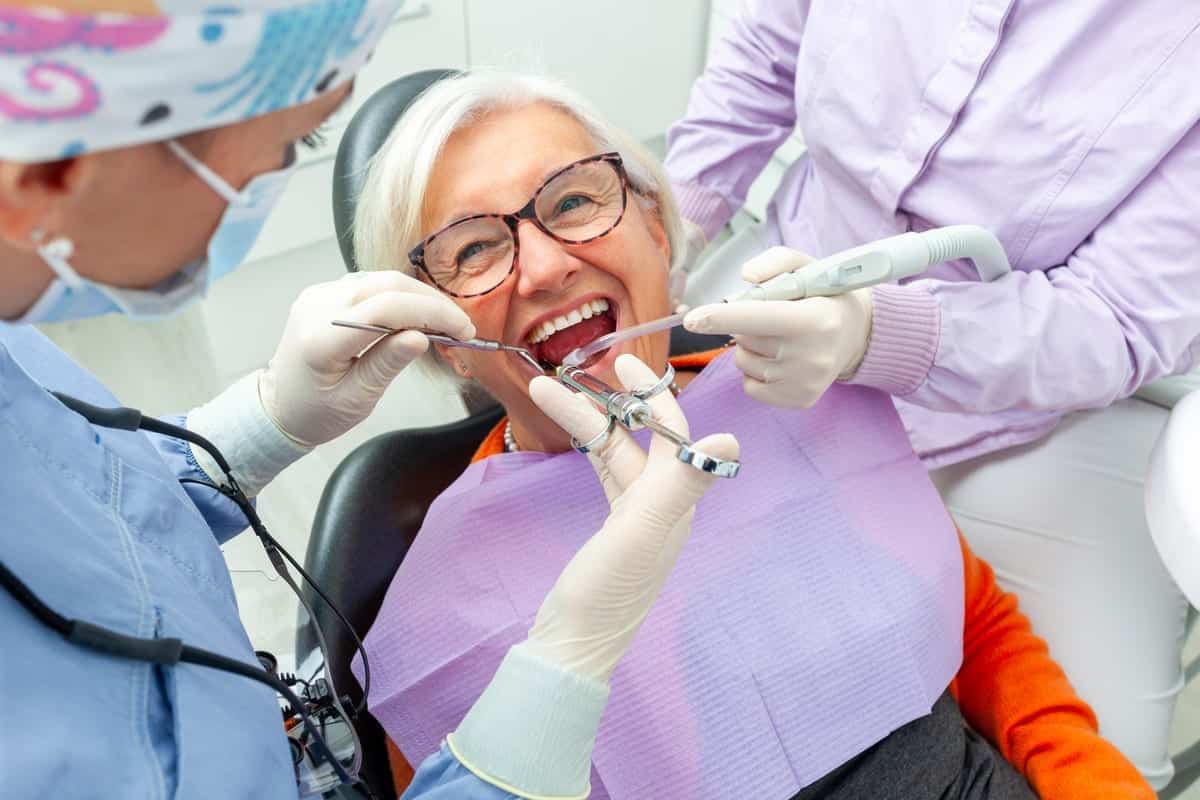
On placement day, you arrive and get settled into the treatment chair. Local anesthesia is applied first — you will feel a brief pinch, then numbness spreads quickly. Once you are fully numb, you should feel pressure but not sharp pain throughout the procedure.
Our dental team gently creates a small opening in your gum tissue. A precise channel is then made in the jawbone using specialized instruments. You may hear a low humming sound from the drill — this is completely normal. The titanium implant post is then carefully inserted into this channel.
The gum is closed with a few small sutures. The entire placement typically takes between one and two hours. You will feel mild pressure and hear some sounds, but most patients are surprised by how manageable it is. Knowing what to expect makes a big difference in how calm you feel.
- Local anesthesia is administered to numb the area
- A small incision is made in the gum tissue
- A channel is drilled precisely into the jawbone
- The titanium post is placed securely into the bone
- Gum tissue is sutured closed around the implant
Step 4: Healing and Osseointegration
After placement, your body begins a process called osseointegration. This is when the jawbone slowly grows around and fuses with the titanium post. It typically takes three to six months for this bond to fully develop. This phase is critical — it is what makes dental implants so durable long-term.
During healing, you may notice mild swelling, bruising, or tenderness around the site. These reactions are normal and usually peak within the first 48 to 72 hours. Cold compresses applied gently to the outside of your face help reduce swelling. Soft foods are your best friend during this period.
Late spring is actually a great time to start this healing phase. With graduations, proms, and end-of-school events coming up, you can begin your smile transformation now. By late summer, your implant will be well on its way to full integration. Timing your treatment thoughtfully pays off when the big moments arrive.
Step 5: Placing the Crown and Completing Your New Smile
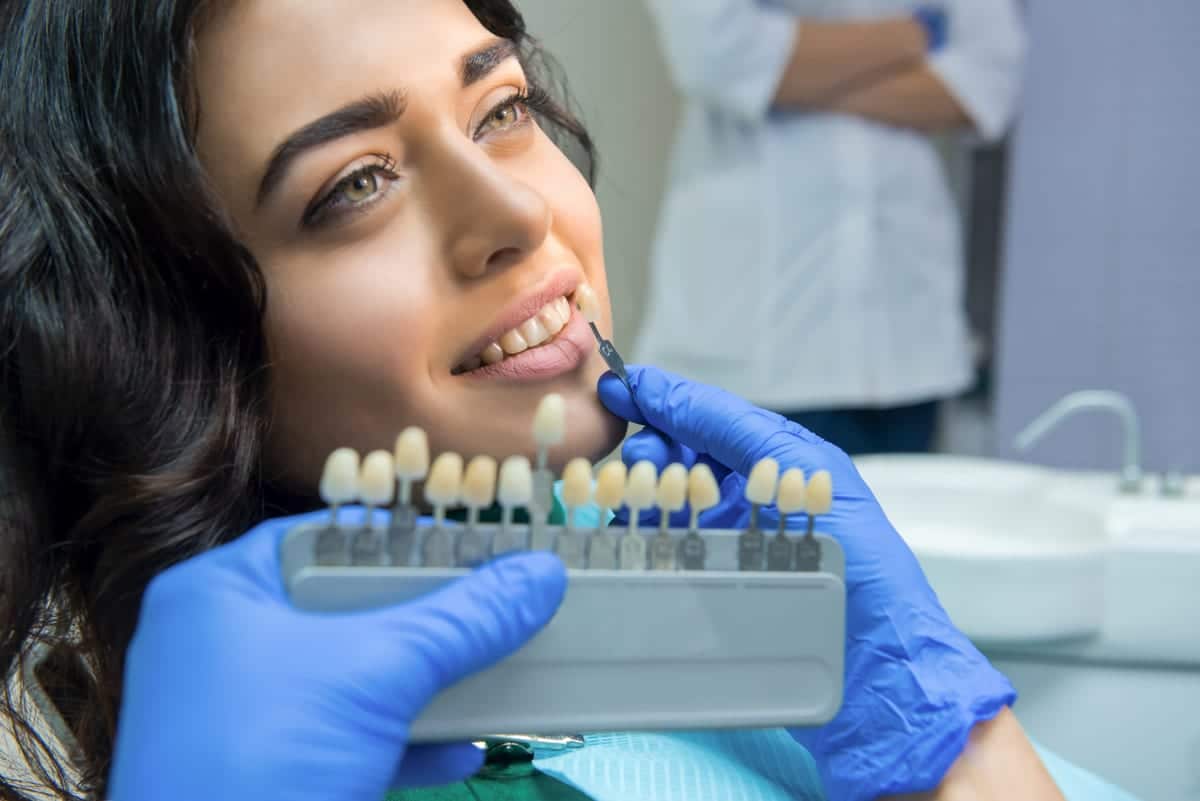
Once osseointegration is complete, you return for the final stage. Our dental team places a small connector piece called an abutment onto the implant post. This piece supports the custom-made crown that sits on top. The crown is designed to match your surrounding teeth in color, shape, and size.
You will see a natural-looking tooth that blends seamlessly into your smile. It feels stable when you bite and chew — much like a natural tooth. There is no slipping or shifting, which is one of the biggest advantages of dental implants over other tooth replacement options.
Our team checks your bite carefully to make sure everything aligns properly. Minor adjustments can be made chairside if needed. Most patients leave this appointment smiling broadly and feeling confident. The transformation from consultation to final crown is truly remarkable.
Step 6: Aftercare and Keeping Your Implant Healthy
Dental implants require the same daily care as natural teeth. Brush twice a day using a soft-bristled toothbrush and non-abrasive toothpaste. Floss carefully around the implant site each day. Consistent hygiene protects both the implant and the surrounding gum tissue.
Regular dental checkups at Cascade Dental Care – South Hill are essential. Our dental team monitors the implant, the crown, and your overall oral health at each visit. Professional cleanings remove buildup that brushing alone cannot address. Staying consistent with appointments protects your investment for decades.
Avoid habits that can damage your implant, such as chewing ice or grinding your teeth. If you grind at night, ask our team about a custom nightguard. A few simple precautions keep your implant functioning beautifully for many years. You can learn more about our full range of care by visiting our services page.
- Brush gently twice daily with a soft-bristled brush
- Floss around the implant site every day
- Attend all scheduled follow-up appointments
- Avoid chewing hard objects like ice or hard candy
- Ask about a nightguard if you clench or grind
Why Patients at Cascade Dental Care – South Hill Choose Implants
Dental implants are the closest thing modern dentistry offers to a natural tooth. They preserve jawbone, restore full chewing function, and look completely natural. Unlike removable options, implants are fixed and feel entirely your own. Patients consistently report improved confidence and quality of life after treatment.
Our dental team brings skill, precision, and genuine care to every implant procedure. We take time to ensure you feel informed and supported at every stage. Whether you are replacing one tooth or several, we tailor every treatment plan to you. Explore our approach further on our about page.
If you are ready to take the next step toward a complete, confident smile, we are here to guide you. There has never been a better time to start your implant journey. The process is manageable, the results are lasting, and our team is with you every step of the way. Learn More about how we can help you.
Frequently Asked Questions
How long does the entire dental implant process take?
The full process from consultation to final crown typically takes between six months and one year. This timeline depends on whether preparatory procedures like bone grafting are needed and how quickly your body heals during osseointegration. Every patient’s timeline is unique.
Is the dental implant procedure painful?
Most patients report feeling pressure rather than pain during implant placement. Local anesthesia numbs the area thoroughly before any work begins. Mild soreness and swelling in the days following the procedure are normal and manageable with over-the-counter comfort measures and our team’s aftercare guidance.
How do I care for my dental implant after placement?
Care for your implant just like a natural tooth. Brush twice daily, floss around the site every day, and attend regular checkups at Cascade Dental Care – South Hill. Avoiding hard foods and habits like teeth grinding helps protect the implant long-term.
Who is a good candidate for dental implants?
Good candidates generally have healthy gums, sufficient jawbone density, and no uncontrolled systemic conditions that affect healing. A thorough consultation including X-rays and possibly 3D imaging helps our dental team determine whether implants are right for you. Some patients need preparatory treatment first.
How long do dental implants last?
With proper care, dental implants can last many decades and are often considered a lifelong solution. The titanium post fuses permanently with the jawbone, making it highly durable. The crown on top may need replacement after 10 to 15 years depending on wear, but the implant itself is designed to last.