Dental Implants vs. Dentures vs. Bridges Spokane


Dental Implants vs. Dentures vs. Bridges Spokane
Losing a tooth changes more than just your smile. It affects how you eat, speak, and feel about yourself. If you’re weighing dental implants vs. dentures vs. bridges and which fits your life in Spokane, you’re not alone. Many patients at Cascade Dental Care – South Hill face this exact decision every year. Dr. Robert Walker helps patients understand each option clearly so they can make the best choice for their health and lifestyle.
Understanding Your Three Main Tooth Replacement Options in Spokane
Not every tooth replacement solution works the same way. Each option has a different structure, feel, and long-term impact on your oral health. Understanding the basics helps you have a more informed conversation with your dentist.
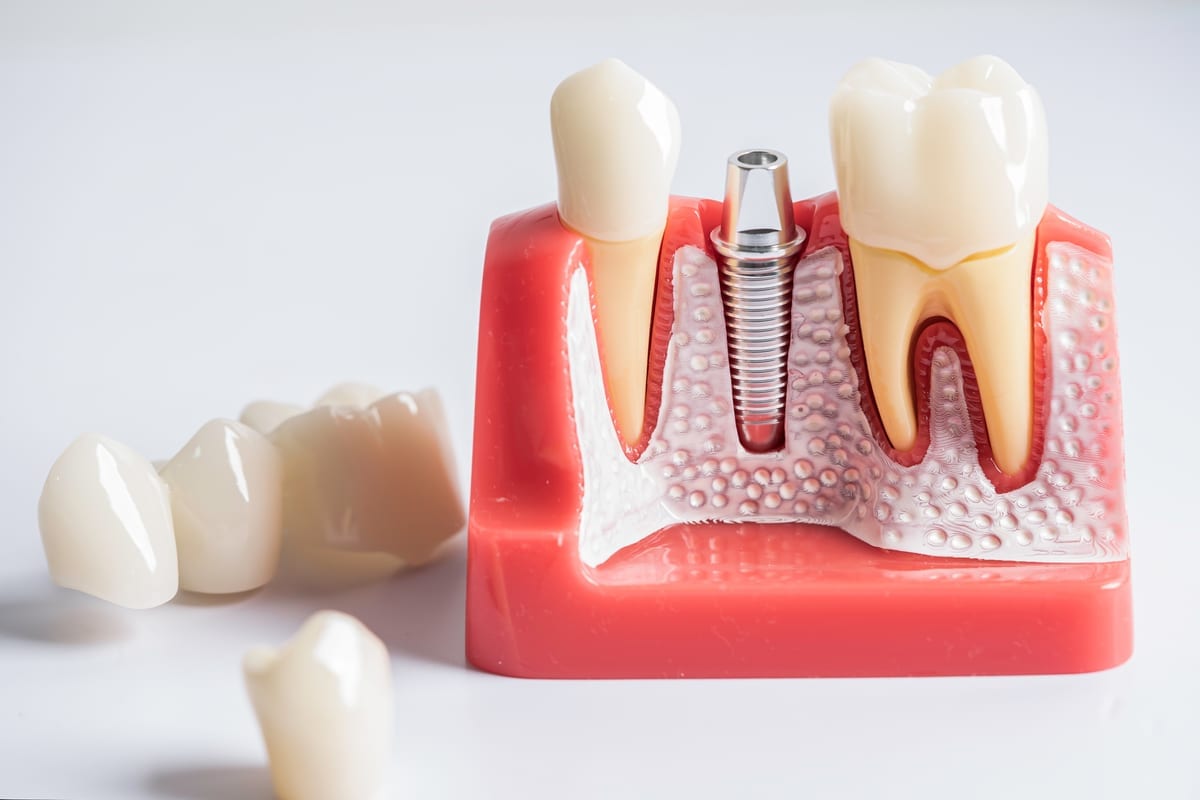
Dental implants are titanium posts surgically placed into your jawbone. They act as artificial tooth roots and support a crown on top. They look and feel the most like natural teeth.
Dentures are removable appliances that replace multiple missing teeth. They rest on your gums and can be full or partial depending on how many teeth are missing.
Dental bridges are fixed restorations that span the gap left by one or more missing teeth. They anchor to the surrounding natural teeth using Dental Crowns on either side. Each option serves a unique purpose depending on your situation.
Dental Implants vs. Dentures: Key Differences That Matter
When comparing implants and dentures, durability and comfort stand out right away. Implants are a permanent solution anchored directly in your jaw. Dentures, while more affordable upfront, require regular adjustments and can shift during daily activities.
Implants also help preserve your jawbone. When you lose a tooth, the bone beneath it begins to shrink over time. Implants stimulate the bone just like a natural root does. Dentures do not provide this benefit and may cause the jaw to change shape gradually.
Here are some key differences to consider:
- Stability: Implants are fixed permanently; dentures may slip or move
- Bone health: Implants preserve jawbone; dentures do not
- Maintenance: Implants are brushed like natural teeth; dentures require nightly removal and soaking
- Longevity: Implants can last a lifetime with proper care; dentures typically need replacement every 5–10 years
- Appearance: Implants closely mimic natural teeth; dentures may look less natural over time
Dentures remain a practical choice for patients who are not candidates for surgery. Dr. Walker evaluates bone density, overall health, and personal goals before recommending any option.
Dental Implants vs. Bridges: Which Option Protects Your Smile Longer?
Bridges are a strong middle-ground option between implants and dentures. They are fixed in place and do not require surgery. However, placing a bridge requires shaping the two healthy teeth on either side of the gap.
This process removes some healthy tooth structure permanently. It works well when the adjacent teeth already need Dental Crowns for other reasons. But for patients with healthy neighboring teeth, an implant preserves more of the natural smile.
Bridges typically last 10–15 years with good care. Implants, on the other hand, are designed to last decades. Both options look very natural and are cemented or anchored in place.
Benefits of choosing a dental implant over a bridge include:
- No alteration of healthy adjacent teeth
- Easier flossing and cleaning between teeth
- Stronger bite force over time
- Better long-term bone preservation
- Reduced risk of decay under the restoration
That said, bridges are still an excellent solution in many situations. Your dentist will consider the health of your surrounding teeth before making a recommendation.
Which Option Fits Your Life in Spokane? Questions to Ask Yourself
The right choice depends on your health, your goals, and your daily lifestyle. There is no single answer that fits everyone. Asking yourself a few key questions can help you narrow down the options.
Do you want a permanent solution that requires no removal? Implants may be your best fit. Are you missing most of your teeth and prefer a non-surgical route? Dentures might be the more practical choice right now.
Are your neighboring teeth already weakened or damaged? A bridge that incorporates those teeth for support could solve two problems at once. It is also worth knowing that some patients need a Root Canals treatment before a crown or bridge can be placed. Dr. Walker will assess whether any preparatory work is needed before finalizing your plan.
Consider these factors when making your decision:
- How many teeth are missing?
- Is your jawbone strong enough for an implant?
- Do you prefer a surgical or non-surgical approach?
- How important is long-term bone preservation to you?
- Are any neighboring teeth already compromised?
Spokane patients at Cascade Dental Care – South Hill receive a thorough consultation before any treatment begins. Dr. Walker takes digital X-rays and reviews your full dental history to guide the decision.
What to Expect During Your Consultation at Cascade Dental Care
Starting the process is simpler than most patients expect. Your first step is a consultation with Dr. Walker at the South Hill location. During that visit, you will discuss your goals, review your dental records, and explore which option aligns with your health and lifestyle.
If implants are the right choice, the process involves a minor surgical procedure followed by a healing period. A custom crown is then placed on top for a seamless final result. If a bridge or denture suits you better, the timeline is generally shorter.
Dr. Walker and the team at Cascade Dental Care – South Hill believe in patient education first. You will never feel rushed into a decision. Every question you have deserves a clear and honest answer before treatment begins.
Making the Right Choice for Your Smile in Spokane
Choosing between dental implants, dentures, and bridges is a deeply personal decision. Each option has real advantages depending on your unique situation. The most important step is working with a dentist who takes the time to understand your goals.
Dr. Robert Walker at Cascade Dental Care – South Hill is committed to helping Spokane patients find solutions that truly fit their lives. Whether you need one tooth replaced or a full smile rebuild, the right path forward starts with a conversation. Book Now to schedule your appointment with our team.
Frequently Asked Questions
How long do dental implants last compared to bridges and dentures?
Dental implants can last a lifetime with proper care. Bridges typically last 10–15 years before needing replacement. Dentures generally need to be replaced every 5–10 years as the shape of your mouth changes over time.
Are dental implants painful to get?
Most patients report less discomfort than they expected. The procedure is performed under local anesthesia, so you should not feel pain during placement. Some soreness and swelling are normal in the days following surgery and can be managed with over-the-counter pain relief.
Can anyone get dental implants in Spokane?
Most healthy adults are candidates for dental implants. However, sufficient jawbone density is required to support the implant. Patients with significant bone loss or certain medical conditions may need alternative solutions or preparatory treatments before implants are possible.
Is a dental bridge better than a partial denture?
A bridge is fixed in place and generally feels more stable than a partial denture. However, a bridge requires altering adjacent teeth for support. A partial denture is removable and avoids that alteration. Dr. Walker can help you weigh the pros and cons based on your specific case.
How do I know which tooth replacement option is right for me?
The best way to find out is through a comprehensive dental consultation. Dr. Robert Walker will evaluate your oral health, bone structure, and personal goals to recommend the most appropriate solution. Every patient’s situation is different, and personalized guidance makes all the difference.