Dental Crowns in Spokane, WA



Dental Crowns in Spokane, WA
Choosing a dental crown can feel overwhelming. Porcelain, zirconia, and metal all have real differences in strength, appearance, and cost. Understanding porcelain vs zirconia vs metal crowns helps you make the right decision for your smile in Town and Country. At Cascade Dental Care – North Spokane, Dr. Robert Walker helps patients navigate these choices every day.
This guide breaks down each material clearly. You will know exactly what to expect before your appointment. Let’s make this decision simple and stress-free.
What Are Dental Crowns and Why Do Material Types Matter?
A dental crown is a custom cap placed over a damaged or weakened tooth. It restores shape, function, and appearance. Crowns are used after Root Canals, severe decay, or tooth fractures.
The material your crown is made from affects how it looks and how long it lasts. It also affects how it feels when you bite and chew. Choosing the wrong material for your specific tooth can cause problems down the road.
Your dentist considers several factors before recommending a material. These include tooth location, bite pressure, and your cosmetic goals. Understanding each option empowers you to ask better questions.
Porcelain Crowns: Natural Beauty With Some Trade-Offs
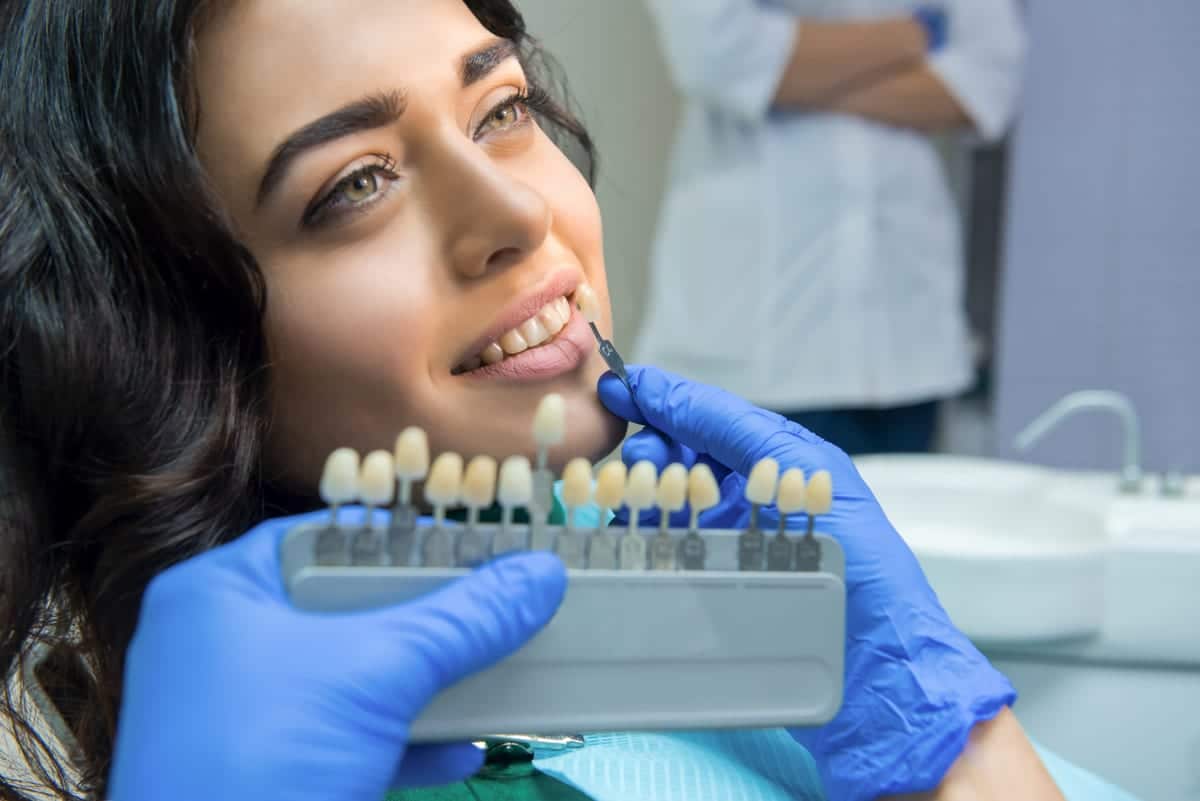
Porcelain crowns are the most lifelike option available today. They mimic the translucency and color of natural teeth beautifully. This makes them a popular choice for front teeth in Town and Country patients who prioritize aesthetics.
However, porcelain is not the strongest material on the market. It can chip or crack under heavy biting forces. Patients who grind their teeth may not be ideal candidates for traditional porcelain crowns.
Here are the key advantages of porcelain crowns:
- Highly natural appearance that blends with surrounding teeth
- Custom shade-matched to your smile
- Metal-free option for patients with sensitivities
- Ideal for front teeth and visible smile areas
Porcelain-fused-to-metal crowns offer a middle ground. They combine a metal base with a porcelain outer layer. Over time, a dark line may appear at the gumline as gums naturally recede.
Zirconia Crowns: The Strongest and Most Versatile Option
Zirconia has quickly become one of the most popular crown materials available. It offers exceptional strength without sacrificing aesthetics. Many dentists now consider zirconia the gold standard for most crown placements.
Zirconia crowns are milled from a solid ceramic block using digital technology. This process creates precise, durable restorations. They resist chipping and cracking far better than traditional porcelain.
Patients in Town and Country who grind or clench their teeth benefit greatly from zirconia. The material handles heavy chewing forces with ease. It also works well for both front and back teeth.
Here is a quick comparison of zirconia crown benefits:
- Extremely strong and durable — lasts 10 to 15 years or more
- Tooth-colored for a natural appearance
- Biocompatible and gentle on opposing teeth
- Works for front teeth, back molars, and Dental Bridges
- Less likely to chip compared to porcelain
Zirconia does cost slightly more than metal in many cases. However, its longevity and aesthetics often make it the most cost-effective long-term choice.
Metal Crowns: The Most Durable and Budget-Friendly Choice
Metal crowns — including gold and other alloys — have been used in dentistry for decades. They are the most durable crowns available by a wide margin. A well-placed metal crown can last 20 years or longer with proper care.
The obvious drawback is appearance. Metal crowns are silver or gold in color. Most patients prefer not to use them on visible front teeth.
However, metal crowns shine on back molars. These teeth take enormous biting pressure daily. Metal handles that stress better than any other material.
Metal crowns also require less tooth removal during preparation. This preserves more of your natural tooth structure. For patients prioritizing longevity over aesthetics on back teeth, metal remains an excellent choice.
Consider metal crowns if you:
- Need a crown on a back molar that is not visible when smiling
- Have a very strong bite or grind your teeth significantly
- Want the longest-lasting restoration possible
- Prefer a lower upfront cost over cosmetic considerations
Porcelain vs Zirconia vs Metal: How to Choose in Town and Country
Your dentist will guide this decision based on clinical factors. But knowing the basics helps you participate in that conversation confidently. Here is a simple breakdown by tooth location and need.
For front teeth and smile-visible areas, porcelain or zirconia are almost always recommended. Both offer natural aesthetics. Zirconia adds extra durability if you clench or grind.
For back molars under heavy chewing pressure, zirconia or metal work best. Metal is the most durable. Zirconia gives you strength plus a tooth-colored appearance.
For dental bridges replacing multiple teeth, zirconia is typically preferred. It provides the strength needed to support a multi-tooth restoration. Dr. Walker at Cascade Dental Care – North Spokane will assess your bite, bone structure, and goals before recommending a material.
Cost is another factor worth discussing. Metal crowns are often the most affordable. Porcelain and zirconia typically cost more due to materials and fabrication. However, a longer-lasting crown may save you money over time.
What to Expect During Your Crown Appointment
Getting a crown usually requires two appointments. During the first visit, Dr. Walker prepares the tooth and takes impressions. A temporary crown protects your tooth while the permanent one is crafted.
At your second visit, the permanent crown is placed and adjusted. Dr. Walker checks your bite carefully before cementing it in place. The entire process is designed to be comfortable and straightforward.
Modern materials like zirconia can sometimes be milled in-office for same-day placement. Ask Dr. Walker if same-day crowns are available for your case. This can save you an extra visit and a temporary crown period.
Conclusion: Making the Right Crown Choice for Your Smile
Understanding the differences between porcelain, zirconia, and metal crowns puts you in control. Each material has real strengths depending on your tooth location, bite, and aesthetic goals. Town and Country patients trust Dr. Robert Walker at Cascade Dental Care – North Spokane to recommend the right solution every time.
You do not have to figure this out alone. Our team will walk you through every option and answer all your questions. Book Now to schedule your appointment with our team.
Frequently Asked Questions
Which crown material lasts the longest?
Metal crowns typically last the longest — often 20 years or more with proper care. Zirconia crowns also offer excellent longevity, usually lasting 10 to 15 years or longer. Your dentist will help you choose based on your specific needs.
Are zirconia crowns better than porcelain?
Zirconia crowns are stronger and more chip-resistant than traditional porcelain. Both look natural, but zirconia handles biting forces better. For most patients, zirconia offers the best combination of aesthetics and durability.
Can metal crowns be used on front teeth?
Metal crowns are rarely used on front teeth due to their silver or gold color. They are best suited for back molars where strength matters more than appearance. Front teeth typically receive porcelain or zirconia crowns instead.
How do I know which crown is right for me?
Your dentist considers tooth location, bite pressure, cosmetic goals, and tooth structure. Dr. Walker at Cascade Dental Care – North Spokane will evaluate all these factors at your appointment. A personalized recommendation ensures the best long-term outcome for your smile.
Do crowns require special care?
Crowns do not require special maintenance beyond good oral hygiene. Brush twice daily, floss carefully around the crown, and attend regular checkups. Avoiding very hard foods helps prevent chipping, especially with porcelain crowns.