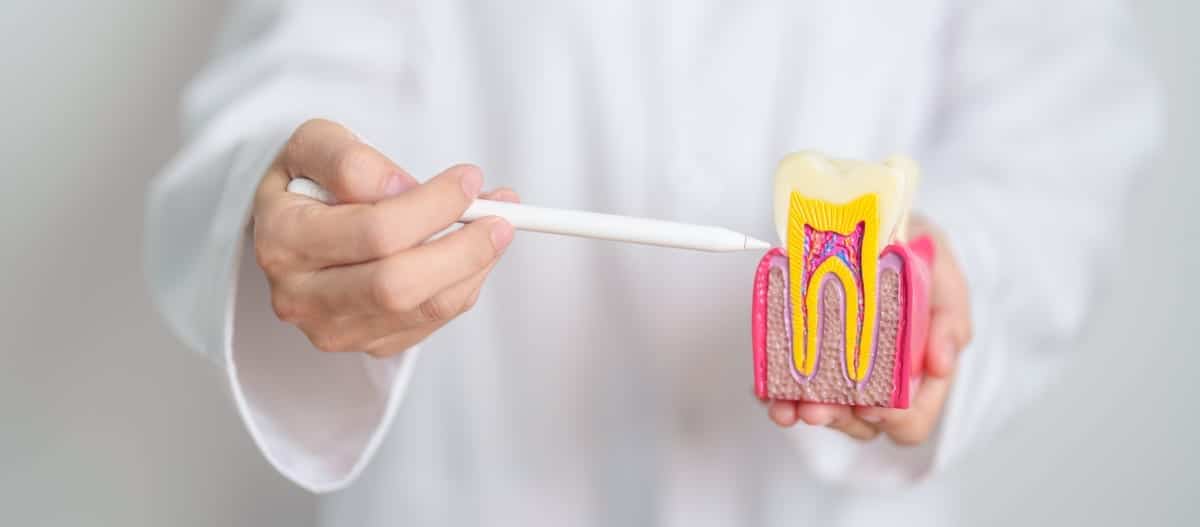
Broken Tooth at 2 AM? Your Emergency Survival Guide Before the Dentist



Broken Tooth at 2 AM? Your Emergency Survival Guide Before the Dentist
A broken tooth at 2 AM is one of the most stressful dental emergencies you can face. Your mouth hurts, it’s the middle of the night, and you have no idea what to do next. This emergency survival guide is for Spokane patients who need calm, clear answers right now. Knowing the right steps before you reach the dentist can protect your tooth and reduce your pain significantly.
Step One: Assess the Damage Calmly
First, take a breath. Panicking makes pain feel worse and clouds your judgment. Rinse your mouth gently with warm water to clear away any blood or debris. Look in a mirror with good lighting to get a sense of how severe the break is.
Not all broken teeth are equal. A small chip off the corner is very different from a tooth cracked down to the root. Identifying the type of break helps you decide how urgently you need care. Here are the most common types of tooth breaks:
- Minor chip or crack: Surface enamel only — often not painful, not an immediate emergency
- Fractured cusp: A piece of the chewing surface breaks off — may cause sensitivity
- Cracked tooth: A crack runs through the tooth — can worsen quickly without treatment
- Split tooth: The tooth separates into segments — requires urgent professional care
- Vertical root fracture: Starts at the root and moves upward — often needs extraction
If you notice severe pain, exposed nerve tissue, or heavy bleeding, treat this as an urgent situation. You may need to visit an emergency room if bleeding does not stop. Otherwise, at-home steps can carry you safely through to morning.
What to Do Right Now for a Broken Tooth in Spokane
Once you have assessed the break, take these steps immediately to protect the tooth. Acting quickly can mean the difference between saving and losing the tooth. Follow this checklist carefully before your dental appointment.
- Rinse gently: Use warm — not hot — water to clean the area
- Control bleeding: Apply light pressure with clean gauze for 10 minutes
- Save any fragments: Place broken pieces in a small container of milk or saliva
- Cover sharp edges: Use dental wax or sugar-free gum to protect your tongue and cheek
- Take over-the-counter pain relief: Ibuprofen or acetaminophen can reduce pain and swelling
- Apply a cold compress: Hold it to your cheek in 15-minute intervals to manage swelling
- Avoid chewing on that side: Stick to soft foods until you see the dentist
Dental wax is available at most 24-hour pharmacies in Spokane. CVS and Walgreens both typically stock it in the dental aisle. It is a temporary fix, but it works well to prevent further irritation overnight.
What to Avoid After Breaking a Tooth
Some well-meaning actions can actually make things worse. Knowing what NOT to do is just as important as knowing the right steps. Avoid these common mistakes until you see Dr. Robert Walker.
Do not use aspirin directly on the gum or broken tooth. Placing aspirin on soft tissue causes chemical burns that worsen your discomfort. Aspirin taken orally as directed is fine, but never apply it topically.
Avoid very hot, very cold, or very sweet foods and drinks. Exposed dentin and nerve tissue are extremely sensitive to temperature and sugar. Even a sip of ice water can trigger sharp, shooting pain. Stick to room-temperature water and soft, bland foods.
Do not try to glue the tooth back together yourself. Over-the-counter super glue is toxic and can permanently damage the tooth and surrounding tissue. Dental repair kits from pharmacies are acceptable for temporary coverage only — they are not a permanent fix.
What to Expect at Your Emergency Dental Appointment
When you call Cascade Dental Care – North Spokane first thing in the morning, our team will prioritize your situation. Dr. Walker and his team are experienced in handling dental emergencies with efficiency and care. Here is what typically happens at your visit:
We start with digital X-rays to assess the full extent of the damage. This gives Dr. Walker a clear picture of the crack or break, including whether the root is affected. The exam usually takes just a few minutes.
Depending on what the X-rays reveal, treatment options may include a Dental Crowns Spokane procedure to cap and protect the damaged tooth. Crowns are one of the most common and effective solutions for broken teeth. They restore full function and appearance quickly.
If the break has reached the nerve, you may need a Root Canals Spokane treatment before the crown is placed. Root canal therapy removes the infected or damaged pulp and relieves pain. Many patients are surprised by how comfortable the procedure feels with modern techniques.
Dr. Walker will walk you through every option before any treatment begins. You will never feel rushed or pressured at our North Spokane practice. Our goal is to restore your comfort and your confidence as quickly as possible.
When Is a Broken Tooth a True Dental Emergency?
Not every broken tooth requires a middle-of-the-night emergency room visit. However, certain signs do mean you need care as soon as possible. Watch for these warning signals:
- Uncontrolled or heavy bleeding that does not stop with pressure
- Severe, throbbing pain that does not respond to over-the-counter medication
- Visible exposed nerve tissue or pulp inside the tooth
- Swelling in the jaw, neck, or under the tongue
- Fever or signs of spreading infection
Swelling of the jaw or neck alongside a broken tooth can signal a dental abscess. This is a serious infection that needs prompt medical attention. If you experience difficulty swallowing or breathing, go to the emergency room immediately.
For less severe breaks, calling your Spokane dentist first thing in the morning is the right move. Most dental practices, including Cascade Dental Care – North Spokane, reserve same-day slots for emergency situations. You will be seen quickly and treated with genuine care.
Getting Back to Normal After a Dental Emergency in Spokane
A broken tooth feels catastrophic at 2 AM, but it is very treatable with the right care. Dr. Robert Walker has helped many Spokane patients recover fully from dental emergencies just like yours. Modern dentistry offers multiple paths to restoring your smile, your bite, and your peace of mind.
The most important thing you can do right now is stay calm and follow the steps above. Protect the tooth, manage your pain, and contact our office as soon as we open. Early treatment almost always leads to better outcomes and more tooth-saving options.
You do not have to navigate a dental emergency alone. Our North Spokane team is here to guide you from that scary 2 AM moment all the way through to a healthy, confident smile. Book Now to schedule your appointment with our team.
Frequently Asked Questions
Can a broken tooth heal on its own?
No, a broken tooth cannot heal itself. Unlike bones, tooth enamel does not regenerate. Without professional treatment, a cracked or broken tooth will worsen over time and may become infected. See Dr. Walker as soon as possible to preserve the tooth.
Is a broken tooth always painful?
Not always. Small chips or cracks may cause little to no pain initially. However, the absence of pain does not mean the break is harmless. Damage can spread to the root and nerve without obvious symptoms. Always get a broken tooth evaluated by a dentist.
What if I swallowed a piece of my broken tooth?
Small tooth fragments are generally harmless if swallowed. The piece will pass through your digestive system without causing harm. However, you should still call your dentist to have the remaining tooth assessed. Sharp fragments could occasionally cause minor irritation, so contact your doctor if you feel any stomach discomfort.
How long can I wait before seeing a dentist for a broken tooth?
If you have severe pain, heavy bleeding, or signs of infection, do not wait. For less severe breaks with no pain or swelling, waiting until the next business day is generally acceptable. Use dental wax to cover sharp edges and avoid chewing on that side. The sooner you are seen, the more treatment options are available to save the tooth.
Will I need a crown after a broken tooth?
Many broken teeth do require a dental crown, but not all of them. Minor chips may only need smoothing or a small composite filling. More significant breaks that compromise the tooth structure are best protected with a crown. Dr. Robert Walker will recommend the most appropriate treatment after examining your X-rays.