Breaking the Bruxism Cycle: Why Your Grinding Worsens TMJ Pain



Breaking the Bruxism Cycle: Why Your Grinding Worsens TMJ Pain
If you wake up with a sore jaw or dull headaches, you may be grinding your teeth at night. This habit — called bruxism — is more than just an annoyance. Breaking the bruxism cycle and understanding why your grinding worsens TMJ pain in Spokane Valley is the first step toward real relief. At Cascade Dental Care, Dr. Robert Walker helps patients understand this connection and find lasting solutions.
What Is the Bruxism and TMJ Connection in Spokane Valley?
Bruxism is the involuntary clenching or grinding of teeth. Your temporomandibular joint, or TMJ, is the hinge that connects your jaw to your skull. These two issues are deeply linked — and they often make each other worse.
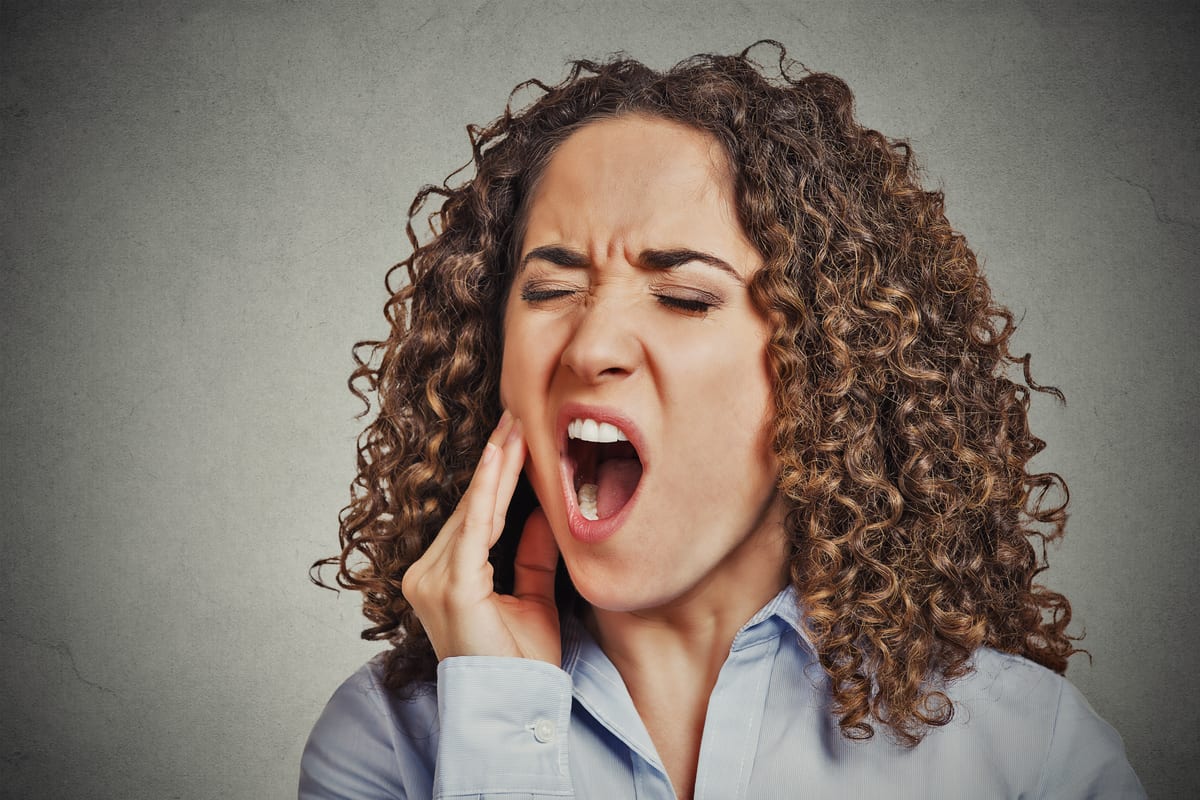
When you grind your teeth, you place enormous pressure on the TMJ. Over time, this pressure damages the cartilage, muscles, and ligaments surrounding the joint. The result is inflammation, pain, and dysfunction that can spread from your jaw to your ears, neck, and head.
Many Spokane Valley patients are surprised to learn the relationship runs both ways. TMJ pain can actually trigger more grinding as your body tries to find relief through jaw movement. This creates a frustrating feedback loop that worsens both conditions simultaneously.
How Bruxism Damages Your Jaw Over Time
The force generated during grinding can exceed 250 pounds per square inch. Your teeth and jaw simply are not designed to handle this load repeatedly. Even moderate grinding causes significant wear over months and years.
Here is what happens to your jaw structure when bruxism goes untreated:
- Cartilage erosion: The protective disc inside the TMJ wears down, causing clicking or locking
- Muscle fatigue: Overworked jaw muscles become inflamed and chronically sore
- Tooth enamel loss: Grinding strips away enamel, leading to sensitivity and fractures
- Bone changes: Long-term pressure can alter the shape of the joint itself
- Nerve irritation: Swollen tissue can compress nearby nerves, causing radiating pain
Left untreated, this damage becomes permanent. Teeth may crack or break, sometimes requiring treatment like Dental Crowns Spokane Valley to restore their strength and function. Early intervention always produces better outcomes.
Why TMJ Pain Makes Grinding Worse
Here is where the cycle becomes truly vicious. Once the TMJ is inflamed and painful, your nervous system responds in a counterproductive way. It signals your jaw muscles to stay active — even during sleep.
Your body interprets the joint discomfort as a sign of instability. It tries to stabilize the jaw by keeping muscles contracted. This constant tension leads directly to more clenching and grinding, which deepens the joint damage further.
Stress is another major amplifier. Spokane Valley residents dealing with work pressure, poor sleep, or anxiety tend to carry tension in their jaw muscles. This makes nighttime grinding far more intense and frequent. The pain-tension-grinding loop can feel impossible to escape without professional guidance.
In some cases, untreated dental infections also contribute to jaw tension and referred pain. Conditions that might once have needed Root Canals Spokane Valley — when left unaddressed — can worsen overall oral inflammation and feed into TMJ discomfort.
Warning Signs You Are Caught in the Bruxism Cycle
Many people grind their teeth without realizing it because it happens during sleep. Knowing the warning signs helps you seek care before serious damage occurs. Watch for these common indicators:
- Waking up with jaw soreness or stiffness
- Frequent morning headaches or migraines
- Clicking, popping, or locking of the jaw
- Teeth that look flattened, chipped, or worn
- Increased tooth sensitivity to temperature
- Ear pain without an ear infection
- Neck and shoulder tension that won’t resolve
If two or more of these symptoms sound familiar, you may already be caught in the bruxism-TMJ cycle. The good news is that Dr. Robert Walker at Cascade Dental Care can evaluate your jaw, teeth, and bite to confirm what is happening. A clear diagnosis makes treatment far more effective.
How to Break the Bruxism Cycle: Treatment Options
The goal of treatment is to interrupt the cycle at multiple points simultaneously. No single solution addresses everything, which is why a personalized approach matters so much.
Here are the most effective strategies Dr. Walker may recommend for Spokane Valley patients:
- Custom night guards: These oral appliances cushion teeth and reduce joint pressure during sleep
- Bite adjustment: Correcting an uneven bite removes mechanical stress on the TMJ
- Orthodontic treatment: Invisalign can realign teeth to reduce grinding triggers
- Physical therapy: Targeted jaw exercises strengthen and relax the surrounding muscles
- Stress management: Addressing anxiety reduces the subconscious clenching response
- Restorative work: Repairing damaged teeth restores proper bite function and reduces strain
Night guards are often the first line of defense. They do not stop grinding entirely, but they dramatically reduce the damage and joint pressure involved. Many patients notice significant pain relief within the first few weeks of consistent use.
For more advanced cases, Dr. Walker may combine therapies for the best outcome. Treating both the structural damage and the behavioral triggers together is the most reliable way to achieve lasting relief.
Why Early Treatment Matters for Spokane Valley Patients
The longer the bruxism cycle continues, the harder it becomes to reverse the damage. Early treatment preserves tooth structure, joint health, and your overall quality of life. Waiting often means more complex and costly care later.
At Cascade Dental Care in Spokane Valley, Dr. Walker takes a compassionate, whole-mouth approach to bruxism and TMJ care. He listens carefully to your symptoms and crafts a plan tailored to your specific situation. You never receive a one-size-fits-all solution here.
Whether your symptoms are mild or you have been struggling for years, there is a path forward. Modern TMJ treatment has helped thousands of patients reclaim comfortable, pain-free living. You deserve that same outcome.
Conclusion: Take the First Step Toward a Pain-Free Jaw
Breaking the bruxism cycle is entirely possible with the right support and treatment plan. Understanding how grinding and TMJ pain reinforce each other is the foundation of effective care. Dr. Robert Walker and the team at Cascade Dental Care are ready to guide every Spokane Valley patient through this process with skill and empathy. Book Now to schedule your appointment with our team.
Frequently Asked Questions
Can bruxism cause permanent TMJ damage?
Yes, untreated bruxism can cause lasting damage to the TMJ cartilage, surrounding muscles, and even bone structure. The longer grinding continues without intervention, the greater the risk of permanent joint dysfunction. Early treatment significantly reduces this risk and helps preserve long-term jaw health.
How does a night guard help with TMJ pain?
A custom night guard creates a cushioning barrier between your upper and lower teeth. This reduces the direct pressure transmitted to the TMJ during grinding. It also helps relax overworked jaw muscles, which lowers inflammation and pain over time. Many patients notice improvement within weeks of consistent use.
Is bruxism related to stress?
Stress is one of the leading triggers of bruxism. When you are anxious or under pressure, your body tends to hold tension in the jaw muscles. This increases the frequency and intensity of nighttime grinding. Addressing stress alongside dental treatment produces the best long-term results for breaking the cycle.
What is the difference between bruxism and normal teeth clenching?
Most people clench their teeth occasionally during moments of focus or stress. Bruxism refers to habitual, repetitive grinding or clenching that occurs regularly — especially during sleep. The key difference is frequency and force. Bruxism generates damaging levels of pressure that ordinary clenching does not, leading to visible tooth wear and joint damage.
When should I see a dentist about jaw pain?
You should schedule a visit if you experience regular jaw soreness, morning headaches, clicking or locking of the jaw, or noticeable changes in your teeth’s appearance. These symptoms suggest the bruxism-TMJ cycle may already be underway. Early evaluation by Dr. Robert Walker at Cascade Dental Care in Spokane Valley gives you the best chance at a full recovery.