Common Causes of Tooth Discoloration: How Teeth Whitening Helps?


Common Causes of Tooth Discoloration: How Teeth Whitening Helps?
Tooth discoloration is more common than most people realize. Even those who brush daily and schedule regular cleanings may notice their teeth looking darker or less vibrant over time. This change does not happen overnight. Instead, it builds gradually through everyday habits, natural aging, and health-related factors that are often easy to overlook.
In Spokane, local routines play a role too. Coffee on chilly mornings, tea throughout the workday, and the occasional glass of wine after dinner can slowly affect tooth color. As we age, enamel thins, making darker layers beneath more visible. Certain medications and medical conditions may also change how teeth appear.
The good news is that discoloration is often manageable once the cause is understood. Some stains live on the surface, while others sit deeper within the tooth structure. This blog explains why discoloration happens, what type you may be dealing with, and how teeth whitening can help restore a brighter, more refreshed appearance when used appropriately.
Understanding Tooth Discoloration
Tooth discoloration refers to any change in the natural shade of your teeth, whether that shift is subtle or noticeable. Teeth are not naturally pure white. They have layers, and each layer contributes to the overall color. When something alters one of those layers, the change becomes visible.
Surface stains form on the enamel, the outermost layer of the tooth. These stains are usually caused by dark-colored foods and drinks, tobacco use, or plaque buildup. Because they sit on the surface, they are often the easiest to address.
Deeper discoloration develops below the enamel, within the dentin. This type of color change may occur due to aging, trauma, certain medications, or developmental factors. These stains tend to appear gray, brown, or yellow and do not always respond the same way as surface stains.
Discoloration varies from person to person because enamel thickness, genetics, lifestyle habits, and oral care routines differ. Two people with similar diets may still experience very different changes in tooth color over time.
Causes of Tooth Discoloration
Yellow Stains on Teeth
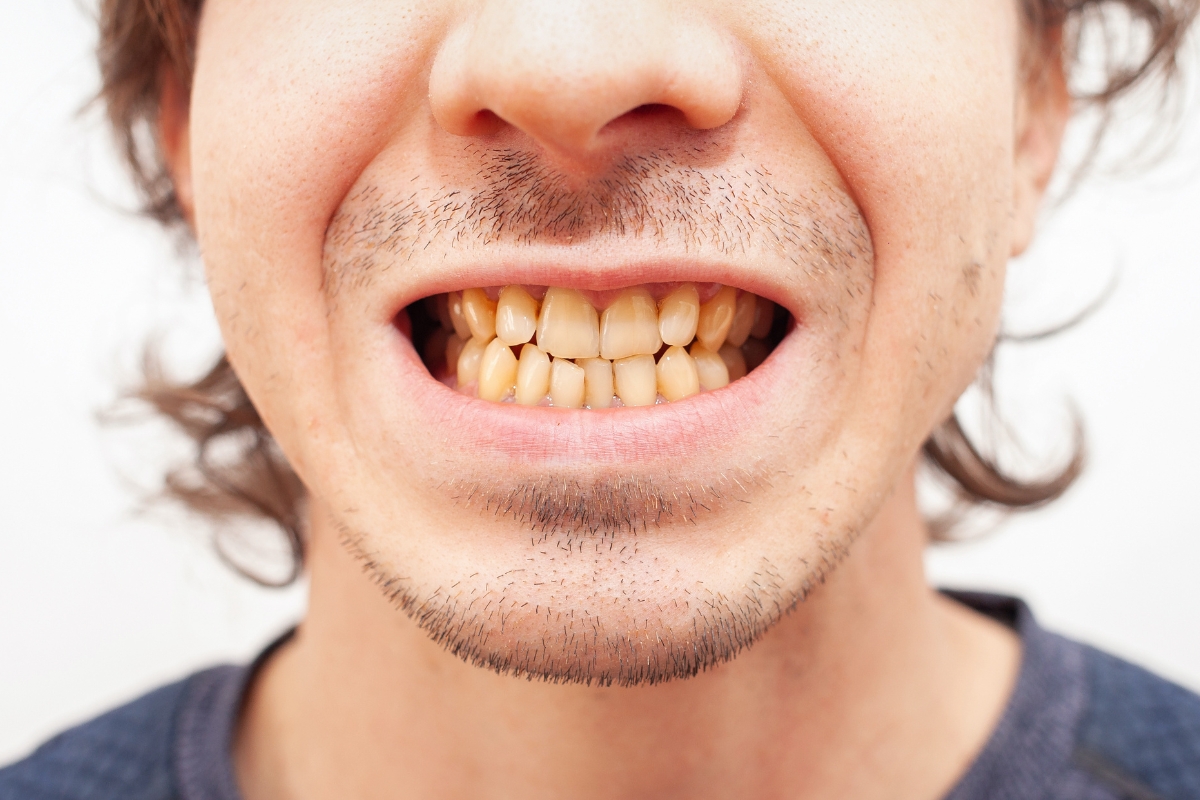
Yellowing is one of the most common changes people notice. As enamel wears down naturally with age, the dentin underneath becomes more visible. Dentin has a yellow tone, which explains why teeth may appear darker even when they are healthy.
Everyday habits also contribute. Coffee, tea, soda, and smoking stain enamel. These effects are slow and easy to ignore at first. Over time, the buildup becomes noticeable, especially in natural light or photos. Because the change happens gradually, many people do not realize how much their tooth color has shifted until they compare older photos.
Sudden Brown Stains on Teeth
Brown stains that appear quickly can feel concerning. These may result from plaque buildup that hardens into tartar, especially along the gumline. Poor oral hygiene, changes in diet, or dry mouth can accelerate this process.
In some cases, brown discoloration may point to decay or enamel damage. If staining appears suddenly or spreads unevenly, it should not be ignored. While some stains are cosmetic, others signal that the tooth structure itself may be compromised.
Medication That Stains Teeth
Certain medications can affect tooth color, especially when taken during childhood while teeth are still developing. Some antibiotics may lead to gray or brown internal staining that cannot be brushed away.
Other medications, including antihistamines, blood pressure drugs, and chemotherapy treatments, can contribute to discoloration later in life. These stains often form beneath the enamel, which is why they may look different from surface stains caused by food or drink.
Internal vs External Tooth Stains
External stains develop on enamel and are typically caused by lifestyle habits. They respond well to professional cleaning and whitening treatments because the stain sits on the surface.
Internal stains form beneath the enamel, within the dentin. These stains may result from trauma, medications, or aging. Because they are deeper, they may take longer to improve or may not respond fully to whitening alone.
Understanding the difference matters. Some stains lighten quickly, while others need a different cosmetic approach. A proper evaluation helps determine which option will provide realistic and lasting improvement.
Tooth Discoloration Treatment Options
Professional Teeth Whitening
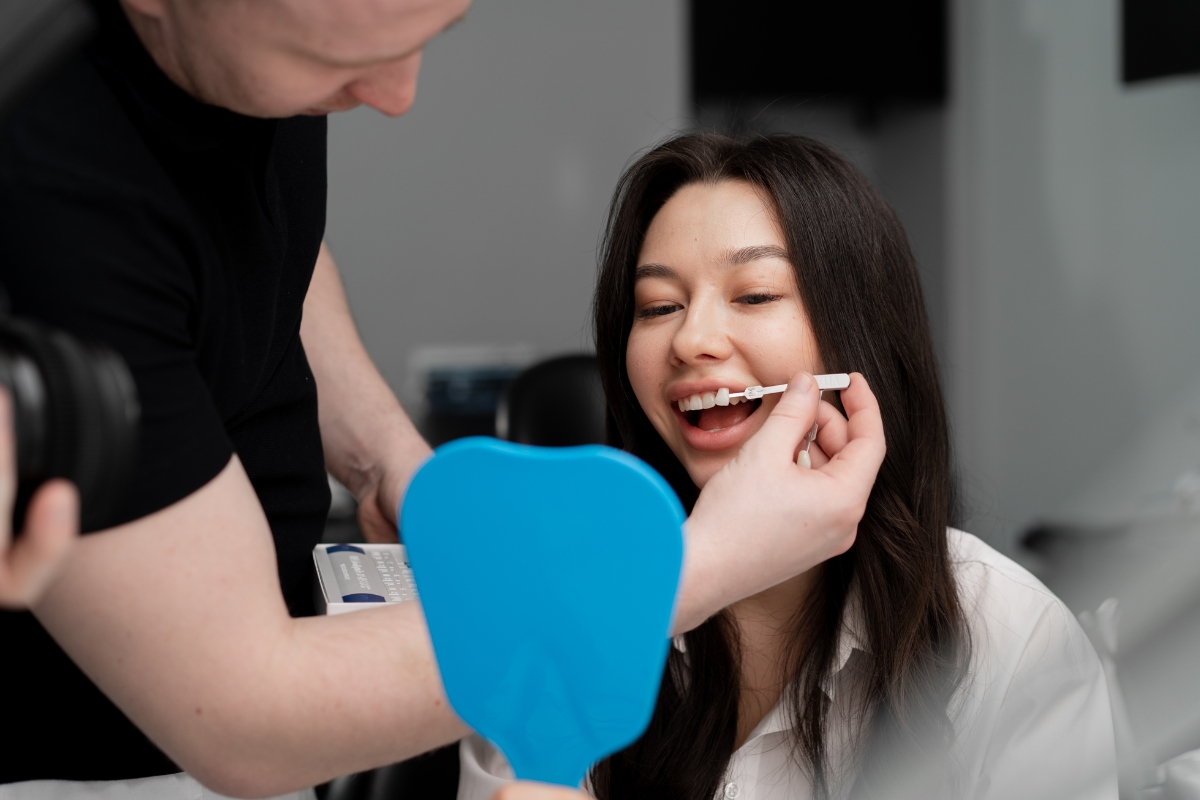
Professional teeth whitening in Spokane, WA, uses safe bleaching agents that break down stain molecules rather than scraping them away. In-office treatments offer faster results, while take-home systems provide gradual improvement over time.
Safety is a key advantage of professional care. Gums and enamel are protected, and treatment strength is adjusted to minimize sensitivity. Results vary based on stain type, enamel thickness, and consistency of care.
Whitening vs Other Cosmetic Solutions
Whitening works well for many common stains, but it is not the answer for every situation. Internal discoloration, enamel defects, or uneven coloring may respond better to bonding or veneers.
A professional evaluation ensures that whitening is appropriate and that expectations align with achievable results. This step prevents frustration and protects long-term oral health.
How Whitening Helps Restore Natural Tooth Color
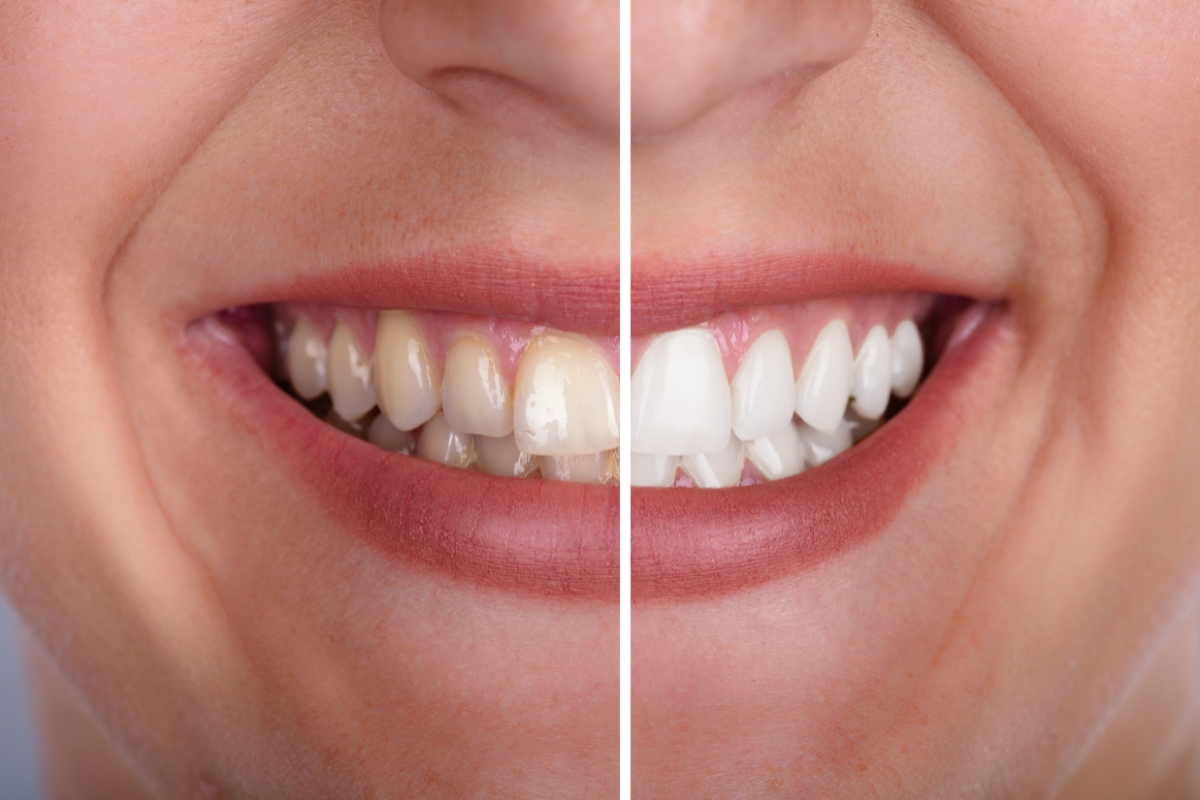
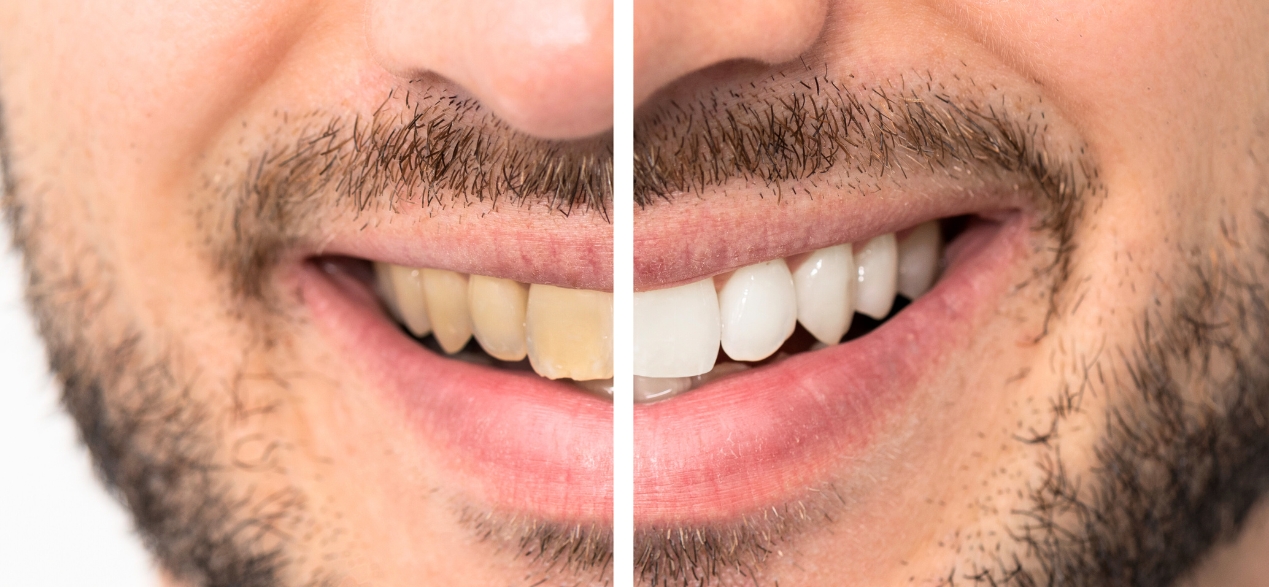
Whitening is effective because it targets the chemical structure of stains, allowing teeth to reflect light more evenly. Many people notice visible improvement within days, especially with in-office care.
Results depend on enamel condition, stain depth, and post-treatment habits. Consistency matters. Those who follow care instructions tend to see more even and lasting results.
At Cascade Dental Care, whitening is approached as part of a broader oral health plan, ensuring both appearance and comfort are considered.
Maintaining Results After Whitening
Daily habits make a significant difference after whitening. Limiting dark beverages, rinsing with water after meals, and maintaining good brushing habits help prevent new stains.
Routine dental cleanings are essential. They remove plaque before it hardens and dulls tooth color. Spokane’s seasonal lifestyle, from winter coffee runs to summer patios, makes maintenance especially important.
Consistency keeps results looking fresh longer.
When to Consider Professional Advice
If whitening does not improve discoloration or causes discomfort, professional guidance is important. Sudden or uneven staining may indicate decay or enamel damage.
A proper diagnosis ensures the right solution is chosen early, preventing unnecessary treatments and protecting long-term oral health.
Tooth discoloration develops for many reasons, from daily habits to aging and medications. Understanding the cause helps determine whether whitening or another solution is appropriate.
When used correctly, whitening can significantly improve appearance while maintaining tooth health. For those considering teeth whitening, professional guidance ensures safe, realistic, and lasting results.
If discoloration has been bothering you, scheduling a consultation with Cascade Dental Care can help you understand your options and take the next step with confidence.
FAQs
Can dehydration affect tooth color?
Yes. Reduced saliva allows pigments to linger on teeth longer. Saliva helps wash away staining compounds, so dry mouth can worsen discoloration.
Why do teeth sometimes look dull even when clean?
Microscopic enamel wear changes how light reflects off teeth. Even clean teeth can appear dull if the surface is no longer smooth.
Are cold climates linked to tooth-staining habits?
Indirectly, yes. Hot beverages are consumed more often in colder months, increasing exposure to staining compounds found in coffee and tea.
Can diet changes help prevent discoloration?
Yes. Limiting dark beverages, acidic foods, and frequent snacking helps reduce stain formation and protects enamel integrity.
Can stress contribute to tooth discoloration?
Indirectly. Stress may lead to dry mouth or grinding, both of which can affect enamel and increase the risk of discoloration.