Teeth Whitening Explained: Process, Benefits, and Results


Teeth Whitening Explained: Process, Benefits, and Results
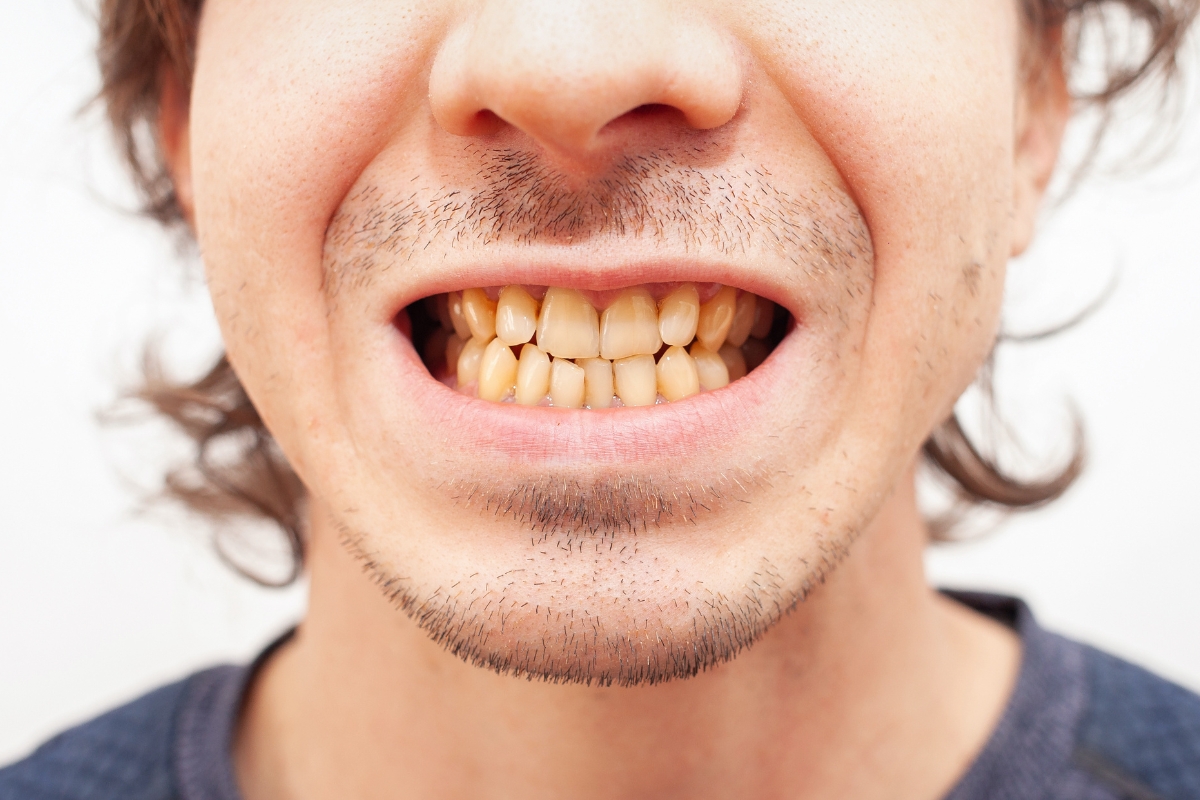
Tooth discoloration is something most people notice gradually. One day, your teeth look normal, and the next, they appear dull or yellowed in photos or the mirror. This change happens for many reasons, and it is far more common than most people realize. Daily habits, aging, and even genetics all play a role in how tooth color shifts over time. That is why many people start looking for ways to brighten their teeth once discoloration becomes noticeable.
For Spokane residents, lifestyle plays a big part. Morning coffee from local cafés, a glass of red wine in the evening, and darker foods enjoyed during colder months can all leave their mark. Seasonal changes also matter. During long winters, people often drink more hot beverages and snack more frequently, which can accelerate staining.
This blog explains what whitening really is, how it works, and what to expect from professional care. You will also learn why results vary and how a dental provider helps ensure safe, predictable outcomes when considering teeth whitening as an option.
What Is Teeth Whitening?
Teeth whitening is a cosmetic dental process designed to lighten the natural color of teeth by reducing stains and discoloration. It does not change the structure of your teeth or replace enamel. Instead, it focuses on improving brightness by targeting the substances that cause teeth to look yellow or dull.
There are two main types of discoloration. Surface stains form on the outer layer of teeth and are commonly caused by coffee, tea, wine, and certain foods. Deeper discoloration develops inside the tooth and may result from aging, medications, or trauma. Regular dental cleanings help remove surface buildup, but they do not change the underlying shade of teeth.
Teeth whitening in Spokane, WA, differs from cleanings because it alters color rather than just removing plaque or tartar. It also differs from cosmetic restorations like veneers or crowns, which physically cover the tooth. Whitening works with your natural teeth, making it a conservative option for people who want a noticeable improvement without altering tooth structure.
Understanding this difference helps set realistic expectations and explains why professional guidance matters when choosing the right approach.
How Does Teeth Whitening Work?
Whitening treatments rely on safe bleaching agents, commonly peroxide-based compounds, that break down stain molecules inside the tooth. These agents penetrate the enamel and reach the dentin layer, where deeper discoloration often resides. Once the stain molecules are broken apart, the tooth reflects light differently, appearing brighter.
Not everyone gets identical results. Tooth thickness, enamel composition, age, and the cause of discoloration all influence how much lightening occurs. Teeth stained by food and drink tend to respond more quickly than discoloration caused by medication or internal changes.
Safety is a key factor. Professional oversight ensures that the whitening process protects enamel and minimizes sensitivity. Dental providers evaluate gum health, existing restorations, and tooth structure before recommending treatment. This step is critical, as teeth whitening is not appropriate for every situation.
When done correctly, whitening works gradually and evenly, avoiding patchy results or unnecessary discomfort while maintaining long-term oral health.
Best Professional Teeth Whitening?
Professional teeth whitening generally falls into two categories: in-office treatment and dentist-supervised take-home systems. In-office options are performed under controlled conditions and often produce faster, more noticeable results. Take-home systems use custom trays and professional-grade materials that work over a longer period.
Professional treatments tend to be more consistent because they are tailored to the individual. Tray fit, concentration levels, and wear schedules are all customized. This reduces uneven whitening and limits irritation.
Sensitivity is a common concern, but professional systems are designed to manage it. Dentists can adjust exposure times and recommend desensitizing strategies when needed. Enamel safety is also monitored closely, something that over-the-counter options cannot provide.
Good candidates typically have healthy teeth and gums, no untreated decay, and realistic expectations. A consultation helps determine whether teeth whitening will be effective and which method is most appropriate.
Teeth Whitening Benefits
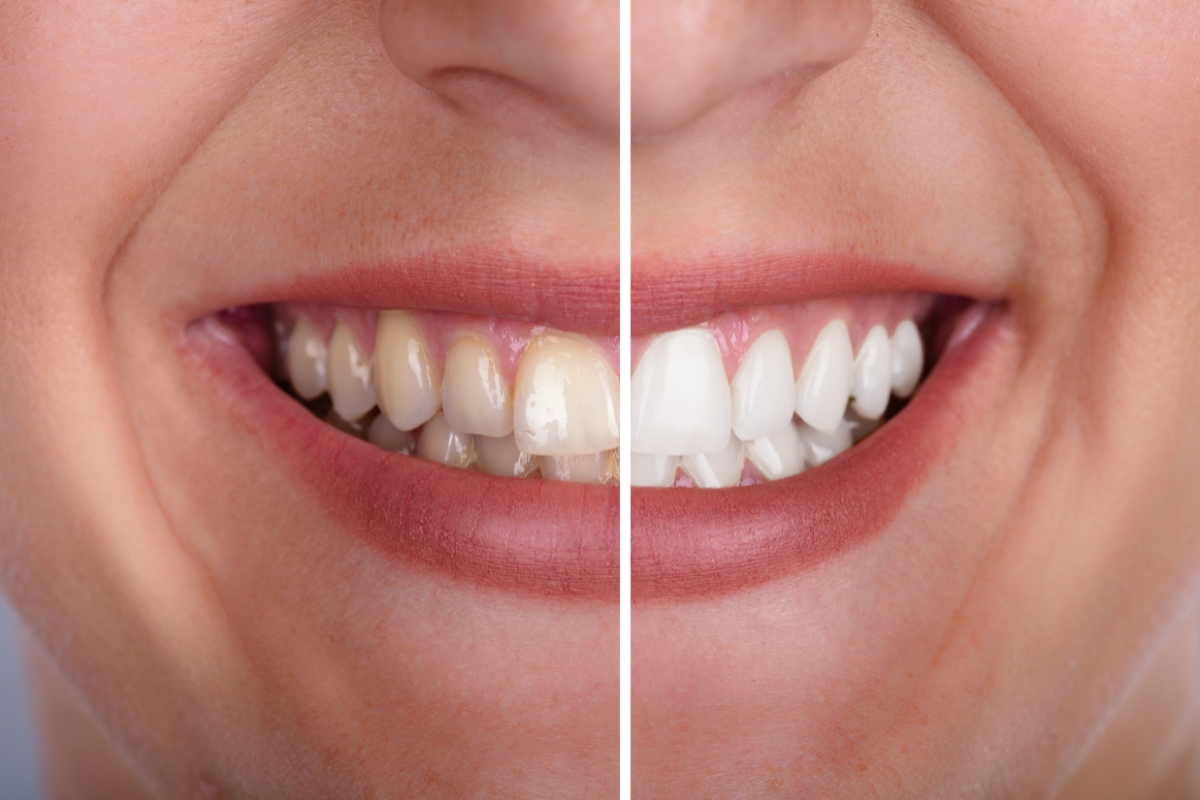
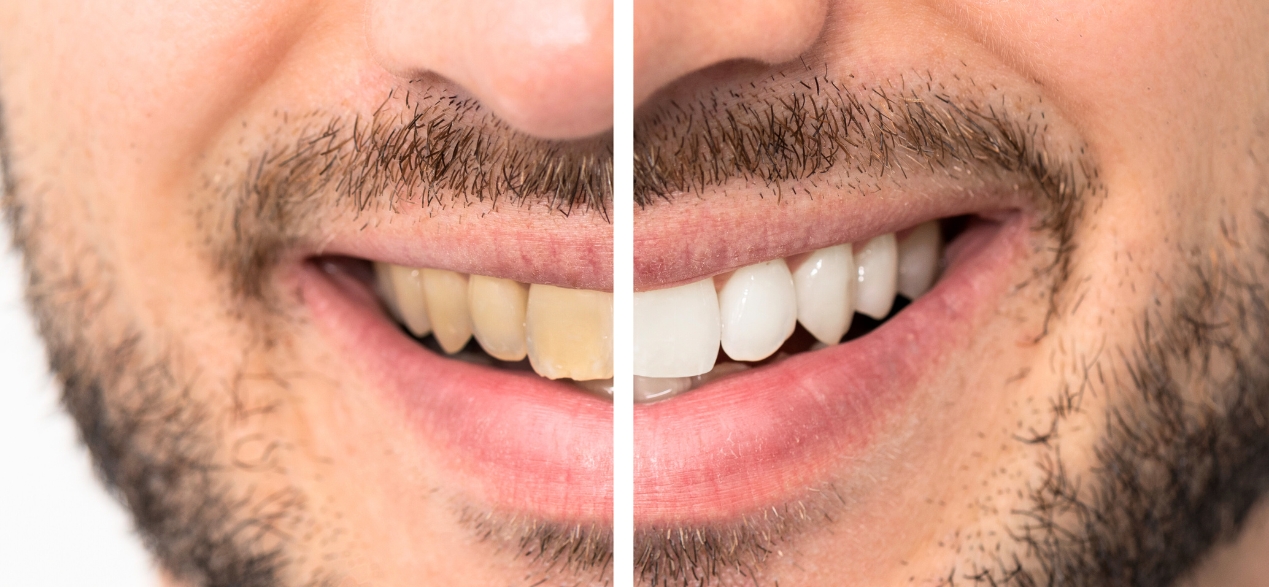
The most obvious benefit is cosmetic improvement, but whitening often delivers more than just a brighter appearance. Many people feel more confident speaking, smiling, or interacting socially once discoloration is reduced. This can influence personal and professional interactions alike.
Professional whitening also provides even, uniform results. Unlike store-bought products, professionally guided treatments account for variations in tooth color, preventing uneven brightness. This leads to a more natural look rather than an artificial or overly bright appearance.
Another advantage is predictability. Patients know what level of improvement to expect and how long results typically last. With proper care, results can be maintained for extended periods.
It is important to note that whitening does not make teeth permanently white. Lifestyle habits still matter, and some degree of maintenance is normal. Understanding these limits helps patients make informed decisions.
What to Expect Before and After Whitening?
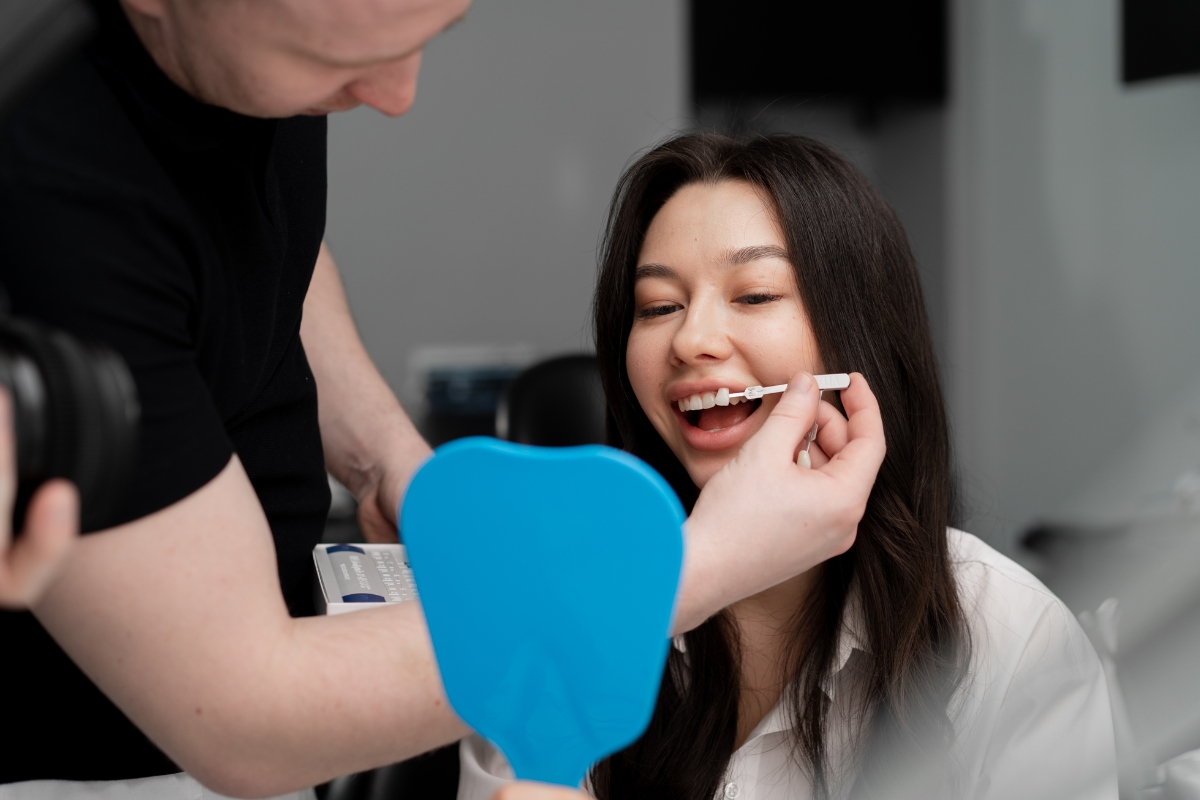
Before treatment, a dental evaluation ensures teeth and gums are healthy. Any existing issues, such as cavities or inflammation, are addressed first. Patients may also receive guidance on reducing sensitivity beforehand.
During treatment, patients typically experience little discomfort. In-office sessions are closely monitored, while take-home systems allow gradual whitening at home. Some temporary sensitivity can occur, but it usually resolves quickly.
After whitening, patients are advised to avoid dark foods and drinks for a short period. Maintaining good oral hygiene and attending routine dental visits helps preserve results. Small habit changes, such as using a straw for darker beverages, can also extend brightness.
Understanding the full process helps patients feel prepared and confident in their decision.
Common Myths About Teeth Whitening
One common myth is that teeth whitening damages enamel. When performed correctly under professional supervision, whitening does not weaken tooth structure. Another misconception is that results are permanent. While long-lasting, results require maintenance.
Some believe whitening works on all dental work. In reality, restorations like crowns and fillings do not change color. Whitening also does not fix structural problems or decay.
Sensitivity concerns are often overstated. While mild sensitivity can occur, it is usually temporary and manageable. Evidence-based guidance shows that professional whitening is safe when properly evaluated and monitored.
Tooth discoloration develops for many everyday reasons, especially through long-term habits and natural aging. Whitening works by targeting stains within the tooth, offering a conservative way to improve brightness when done responsibly. The best results come from understanding how the process works and choosing an approach guided by dental professionals.
A professional evaluation ensures whitening is appropriate, effective, and safe for your individual needs. At Cascade Dental Care, patients receive guidance based on oral health, lifestyle, and long-term goals.
If you are considering whitening and want predictable, natural-looking results, scheduling a consultation at Cascade Dental Care is the best next step. A personalized approach helps ensure results that look good and support overall oral health.
FAQs
When is the right time to consider whitening?
When discoloration affects appearance, oral health has been evaluated.
How soon can results be seen?
Some treatments show results quickly, while others work gradually.
Can whitening affect gums?
Professional oversight helps protect gums and reduce irritation.
Can whitening make teeth unnaturally white?
Professional treatments are designed to produce natural-looking results, not an artificial appearance.
How long do whitening results last?
Results vary, but good oral habits and maintenance can help extend brightness.